Diagnosing & Resolving Main Sewer Line Blockages in Baltimore
Learn how to diagnose main sewer line blockages, identify root intrusion, prevent structural backups, and understand repair costs in Baltimore.

Understanding Main Sewer Line Blockages
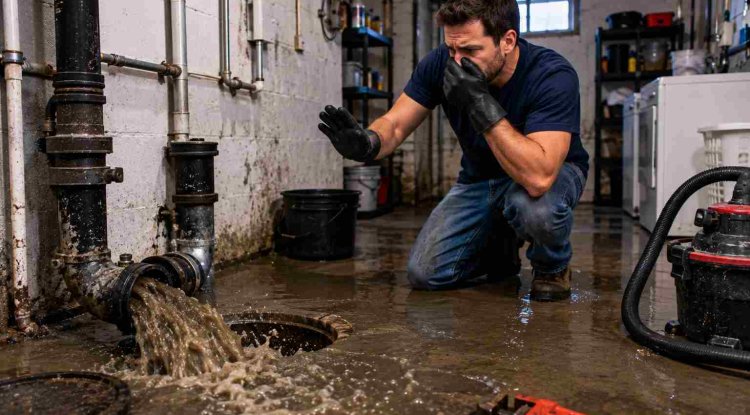
A main sewer line blockage occurs when the primary drainage pipe carrying wastewater from all household fixtures to the municipal sewer main or private septic system becomes partially or totally obstructed. The physical failure mode typically stems from three primary sources: structural pipe collapse due to aging materials, heavy accumulation of grease and foreign objects, or aggressive root intrusion exploiting micro-cracks in underground joints. When the main building drain cannot discharge wastewater fast enough, hydraulic pressure forces sewage backward, causing multi-fixture backups in the lowest-level drains of the property—most commonly basement floor drains, utility sinks, and ground-floor shower basins.
Establishing proper diagnostic boundaries is essential for effective remediation. Unlike a localized fixture clog—such as a single blocked kitchen sink or toilet—a main sewer line failure impacts multiple plumbing fixtures simultaneously across different branches of the drainage network. If flushing a second-floor toilet causes gurgling or rising water in the basement floor drain, the obstruction resides down in the main lateral line rather than within the individual fixture branch.
Overlooked Trade Secrets & Hidden Diagnostic Clues
Experienced diagnosticians rely on subtle physical indicators that standard troubleshooting steps often overlook. For instance, water appearing in a basement far from the actual pipe break is frequently caused by lateral surface tension tracking along floor joists, subflooring, or unsealed foundation penetrations. Furthermore, clearing a main sewer line with a standard drain cable or snake only provides temporary relief if structural root infiltration, pipe sagging (bellying), or heavy grease accumulation is not thoroughly addressed with hydro-jetting or permanent structural repair.
Vent pipe blockages can also mimic physical sewer line clogs by creating negative pressure or airlocks within the drainage system, preventing smooth wastewater discharge and resulting in characteristic gurgling sounds at sink traps. Additionally, seasonal ground shifting in Maryland—driven by alternating freeze-thaw cycles and heavy spring precipitation—exerts severe shear stress on aging exterior clay and cast-iron sewer laterals, exacerbating existing bell-and-spigot joint separations.
Safe Homeowner Triage vs. Dangerous DIY Boundaries
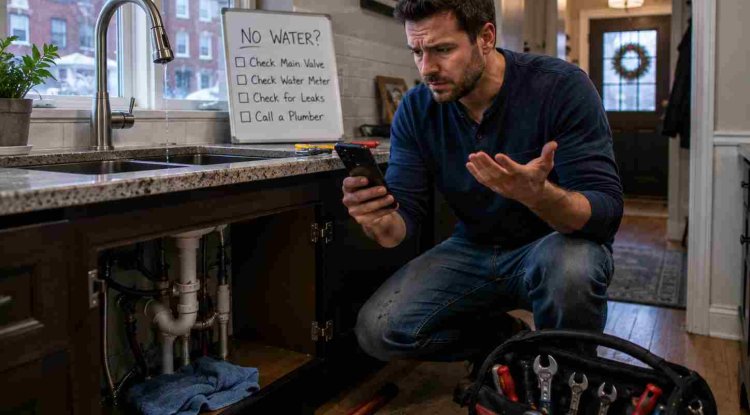
Homeowners can safely perform initial non-invasive triage to isolate the issue before calling a professional. Locate the main indoor sewer cleanout plug and check the property's water meter low-flow leak indicator to rule out continuous pressurized water supply leaks. If wastewater is backing up, immediately stop using all water-using appliances, washing machines, and toilets to prevent additional volume from flooding living spaces.
However, strict safety boundaries must be maintained. Never attempt to unthread a main sewer cleanout plug under liquid head pressure, as the sudden release of pressurized raw sewage and biohazards can cause severe physical injury and extensive property damage. Avoid pouring caustic chemical drain openers into aging cast-iron or clay pipes; these harsh chemicals generate extreme heat, degrade weakened pipe walls, and can splash back dangerously during unblocking attempts. Finally, never operate electrical snakes or motorized drain cleaning equipment in standing basement water near exposed electrical panels.
Baltimore Architectural & Infrastructure Realities
Baltimore's unique architectural landscape presents distinct plumbing challenges. Classic Baltimore brick rowhouses feature shared party-wall utility chases and tight service clearances, meaning a main sewer lateral failure can occasionally impact adjacent properties or complicate excavation access. Furthermore, older urban infrastructure frequently incorporates vintage bell-and-spigot cast-iron piping or brittle clay tile laterals that have exceeded their functional service life. Over decades of shifting foundation soils, these historic joints open up, inviting tree roots from mature Baltimore street trees and catching sanitary solids, ultimately leading to chronic blockages.
Repair Options & Transparent Cost Drivers
When addressing a compromised main sewer line, plumbing professionals evaluate several repair methodologies ranging from spot interventions to complete trenchless rehabilitations.
| Repair Method | Best Applied When | Primary Cost Drivers |
|---|---|---|
| Mechanical Snaking / Hydro-Jetting | Temporary root blockages, heavy grease, or soft obstructions. | Equipment setup time, severity of buildup, line length. |
| Spot Section Replacement | Localized structural collapse, offset joints, or isolated pipe breaks. | Excavation depth, surface restoration (concrete/paving), access constraints. |
| Trenchless Pipe Lining (CIPP) | Widespread internal cracking, root intrusion across long spans. | Pipe diameter, resin materials, pre-lining cleaning and camera inspection. |
Frequently Asked Questions
1. What are the earliest warning signs of a main sewer line blockage?
Early indicators include multiple slow-draining fixtures throughout the home, gurgling sounds in toilets or floor drains when running washing machines or sinks, and periodic foul sewer odors emanating from basement drains.
2. Why do multiple fixtures back up at the same time?
When the main building drain or lateral sewer line is obstructed, wastewater from all upper stories loses its path to the municipal sewer, forcing sewage downward until it escapes out of the lowest accessible drain openings in the building.
3. Can tree roots permanently damage a Baltimore sewer line?
Yes. Tree roots seek out moisture and nutrients escaping from minor pipe joint leaks. As roots enter the pipe, they expand, cracking vintage cast-iron, clay, or concrete lateral lines and creating dense mats that trap solid waste.
4. Is hydro-jetting safer for old pipes than a traditional snake?
Hydro-jetting uses high-pressure water streams to thoroughly scour grease, scale, and roots from pipe walls. However, in severely corroded or structurally compromised historic pipes, camera inspection is required first to ensure the pipe can withstand high-pressure water.
5. What is a sewer line belly, and how does it cause clogs?
A sewer belly is a localized sagging section of the underground pipe caused by shifting soil. This dip collects standing water and solid waste, preventing smooth flow and repeatedly catching debris to form chronic blockages.
6. How do professional plumbers diagnose the exact location of a blockage?
Plumbers utilize specialized waterproof sewer cameras pushed through the line. A sonde (transmitter) attached to the camera head emits a radio frequency, allowing technicians above ground to pinpoint the exact depth and surface location of the damage.
7. What factors influence the cost of repairing a main sewer line?
Cost factors include the depth of the buried pipe, accessibility (crawlspace vs. finished basement slab vs. street excavation), municipal permit requirements, total linear footage needing repair, and the chosen repair technique.
8. How do Baltimore rowhouse configurations complicate sewer repairs?
Rowhouses often feature interior cleanouts located beneath finished flooring or concrete basement slabs, and lateral lines frequently run beneath living spaces or shared alleyways, requiring precise trenchless solutions or careful manual excavation.
9. What preventative maintenance stops recurring sewer line backups?
Routine preventative maintenance includes annual video camera inspections, periodic hydro-jetting to remove grease and scale buildup, and keeping aggressive-root trees cleared away from the exterior lateral path.
10. When is emergency professional intervention strictly required?
Immediate professional help is mandatory when raw sewage actively overflows into living spaces, when multiple drains are completely deadlocked, or when structural collapse is suspected based on video inspection findings.
What's Your Reaction?