Diagnosing Low Water Pressure in Baltimore Homes
Learn how to diagnose and resolve low water pressure in Baltimore homes, covering mineral scale, pressure regulators, and older plumbing systems.

Understanding Low Water Pressure Mechanics
Low water pressure in a Baltimore home is typically caused by a restricted supply line, a failing pressure reducing valve (PRV), heavy mineral scale accumulation, or municipal supply fluctuations. When a plumbing system suffers from reduced force, the underlying mechanical failure usually stems from a bottleneck in the hydraulic pressure gradient. Water entering the home at a healthy municipal pressure of 60 to 80 PSI can experience severe friction loss or flow restriction as it encounters corroded pipe interiors, partially closed shutoff valves, or clogged fixture aerators.
Establishing diagnostic boundaries is the first step toward a permanent fix. Plumbers separate low pressure issues into fixture-specific, branch-line, and whole-house categories. If only a single bathroom sink shows a weak stream while the shower and kitchen function normally, the failure is isolated to that fixture's aerator, cartridge, or supply stop. However, if multiple floors and fixtures experience simultaneous pressure drops, the restriction lies upstream at the main water service entry, the PRV, or the primary distribution mains.
Overlooked Trade Secrets & Diagnostic Clues
Homeowners often mistake restricted flow rate (gallons per minute or GPM) for low static pressure (pounds per square inch or PSI). A system can hold a steady 60 PSI on a static pressure gauge, but the moment a second valve opens, the dynamic flow collapses because mineral-choked or undersized pipes cannot deliver sufficient volume. Another common diagnostic pitfall involves thermal expansion in closed systems. When a water heater fires without an expansion tank or with a failing PRV acting as a one-way check valve, closed-loop pressure spikes can unseat internal components and cause erratic pressure fluctuations.
In Baltimore's older housing stock, seasonal temperature shifts and aging infrastructure create unique vulnerabilities. Municipal supply mains running through fluctuating ground temperatures experience thermal contraction and expansion that can stress older service taps. Furthermore, legacy galvanized iron pipes develop internal tuberculation—a rough, iron-oxide scale buildup that chokes the interior diameter of the pipe down to a fraction of its original size, strangling water delivery long before the exterior pipe shows visible leaks.
Safe Homeowner Triage vs. Dangerous DIY Boundaries
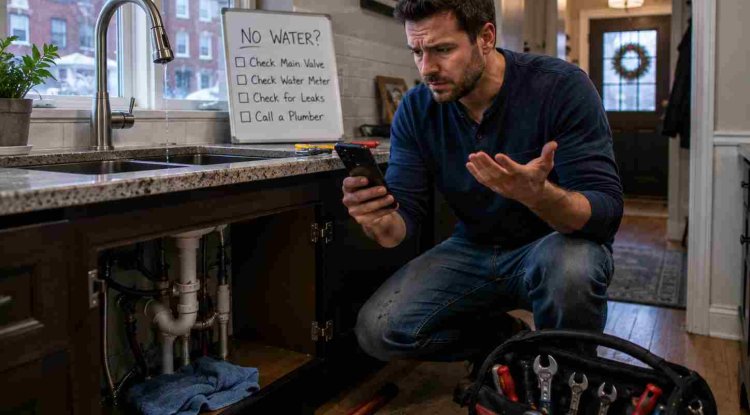
Before calling a professional, homeowners can safely perform several non-invasive diagnostic checks to isolate the issue:
- Check the Main Shutoff: Ensure the primary indoor water main valve is fully open. A partially seated gate or ball valve dramatically restricts flow.
- Inspect Aerators and Fixture Screens: Unscrew faucet aerators and showerheads to check for trapped mineral debris, sediment, or rubber washer fragments.
- Test Static Pressure: Screw a water pressure gauge onto an exterior hose bibb or laundry sink connection while all other indoor fixtures are turned off to record the baseline PSI.
- Locate the Water Meter: Observe the low-flow indicator triangle or sweep hand on the municipal meter to rule out an active unobserved leak dropping system pressure.
Explicit safety boundaries must be maintained. Homeowners should never attempt to adjust old, corroded pressure reducing valves or main shutoff valves that show signs of weeping or structural cracking; forcing an antique brass gate valve can snap the stem, instantly unleashing full municipal pressure into the basement. Never apply open flame torches near supply lines to thaw suspected frozen sections without professional supervision, and avoid using chemical descalers on potable water lines.
Baltimore Architectural & Infrastructure Realities
Baltimore City and surrounding county properties present distinct plumbing challenges tied to local construction eras. Classic Baltimore brick rowhouses frequently feature tight service chases and legacy infrastructure. Many of these historic properties still retain remnants of older lead service lines or galvanized steel distribution branches hidden behind lath-and-plaster walls. When these aging pipes intersect with municipal water that carries high mineral content, calcium and magnesium precipitates bake onto the interior walls of water heaters and piping networks, accelerating flow restriction.
Additionally, sub-grade daylight basements and multi-level rowhouses must contend with elevation head pressure losses. For every vertical foot water travels upward against gravity, the system loses approximately 0.433 PSI of pressure. Third-floor bathrooms in tall historic rowhouses inherently experience lower pressure than basement utility sinks, making proper sizing of supply risers critical during any historical renovation.
Repair Options & Transparent Cost Drivers
Resolving low water pressure depends entirely on the root cause identified during diagnostics. Minor issues require simple targeted interventions, whereas systemic failures demand extensive repiping.
| Diagnostic Finding | Standard Repair Option | Primary Cost Drivers |
|---|---|---|
| Clogged Aerator / Showerhead | Manual cleaning or component replacement | Parts cost only (DIY or basic service call) |
| Failed Pressure Reducing Valve (PRV) | PRV replacement and thermal expansion check | Valve accessibility, pipe material, and labor time |
| Galvanized Iron Pipe Tuberculation | Partial or whole-house repiping with PEX/Copper | Square footage, wall/ceiling repair scope, and layout complexity |
| Municipal Supply Restriction | Coordination with municipal water authority | Public vs. private property line delineation and excavation |
Cost drivers for pressure remediation are dictated by physical accessibility and material degradation. Replacing a failing PRV in an open basement utility room requires standard labor, whereas accessing a buried or tightly enclosed main supply line behind finished basement drywall requires selective demolition and restoration. When widespread galvanized corrosion requires repiping, labor hours scale directly with the number of stories and the difficulty of routing new PEX or copper lines through historic framing.
Frequently Asked Questions
1. What is the primary root cause of sudden whole-house low water pressure?
A sudden drop across all fixtures usually points to a failing pressure reducing valve (PRV), a partially closed main water shutoff valve, or a sudden restriction within the municipal water supply line feeding the property.
2. How can I determine if my low water pressure is isolated to a single fixture?
Turn on multiple sinks, showers, and toilets throughout the home simultaneously. If only one fixture exhibits a weak stream while others maintain normal force, the restriction is isolated to that specific faucet's aerator, cartridge, or angle stop.
3. What safe, non-invasive checks can I perform before calling a plumber?
Verify that your main indoor water shutoff valve is completely open, unscrew and inspect faucet aerators for trapped mineral scale, and connect a pressure gauge to an outdoor hose bibb to record static water pressure.
4. What common mistake do homeowners make that worsens low water pressure issues?
Forcing old, corroded gate valves or PRV adjustment bolts without backup wrenches often snaps aging brass components, transforming a minor pressure drop into a catastrophic uncontrolled indoor flood.
5. How do I know if my home's piping material is causing the pressure drop?
Homes built before the mid-20th century often utilize galvanized steel pipes. Over decades, internal rust and mineral scale (tuberculation) choke the pipe diameter down, severely limiting water volume and flow rate.
6. What primary factors influence the cost of repairing low water pressure?
Cost is driven by the exact location and severity of the restriction, accessibility of the affected pipes or valves, the need for drywall or structural penetration, and whether municipal utility coordination is required.
7. When is a PRV repair classified as a replacement rather than a simple fix?
When an internal diaphragm ruptures, spring tension fails completely, or the valve body is structurally compromised by external corrosion, internal adjustment is impossible, necessitating a complete PRV unit replacement.
8. How do Baltimore's older rowhouses uniquely impact water pressure performance?
Historic rowhouses often feature narrow vertical plumbing chases, legacy mixed-metal transitions, and significant elevation gains to upper-floor bathrooms, which naturally reduce available pressure at top-story fixtures.
9. What preventative maintenance routines help maintain optimal water pressure?
Annually test static water pressure with a hose-bibb gauge, periodically flush fixture aerators to clear sediment buildup, and inspect the main indoor shutoff and PRV for early signs of weeping or mineral crusting.
10. When is emergency professional intervention strictly required for pressure issues?
Professional intervention is mandatory if you experience a complete loss of water supply, hear aggressive hammering or violent pipe vibration when turning on valves, or discover active leaking around the main water entry and PRV assembly.
What's Your Reaction?