Burst Pipe in Baltimore During Winter Emergency Steps for Homeowners
Learn what to do when a pipe bursts in a Baltimore winter, including emergency steps, causes, repair timelines, costs, risks, and prevention tips.
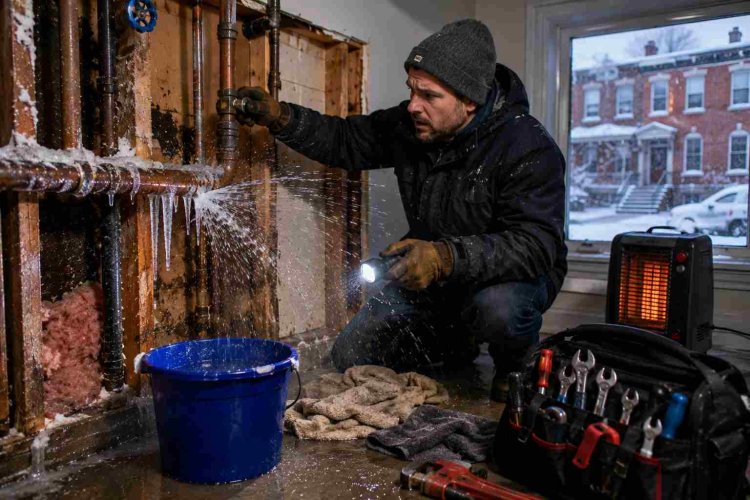
A burst pipe in Baltimore during winter can turn a manageable plumbing problem into major water damage within minutes. Freezing temperatures can cause water inside a pipe to expand, creating pressure that may eventually split or rupture the pipe. When temperatures rise and the frozen water begins to thaw, the damaged section can release a large amount of water into walls, ceilings, floors, basements, or other areas of the property.
This problem can affect older Baltimore homes, newer houses, apartments, rental properties, commercial buildings, and vacant properties. Pipes located in unheated basements, crawl spaces, exterior walls, garages, attics, and other poorly insulated areas are especially vulnerable.
If you discover a burst pipe, the priority is not simply finding the leak. You need to stop the water supply, protect the property, identify electrical hazards, and arrange professional plumbing repairs as quickly as possible.
For Baltimore homeowners who need professional assistance, Plumber in Baltimore can be contacted at 844-973-0400.
Why Do Pipes Burst During Baltimore Winters?
Cold weather itself does not always cause a pipe to burst directly. The bigger problem is what happens when water inside a pipe freezes.
Unlike many substances, water expands as it freezes. When water turns into ice inside a closed pipe, it can create significant pressure between the ice blockage and the remaining water. That pressure can stress weak sections, joints, fittings, and older pipe materials.
Several conditions can increase the risk:
- Pipes running through unheated areas
- Poor insulation around plumbing
- Cracks or weaknesses in older pipes
- Exterior walls exposed to freezing temperatures
- Open doors or windows allowing cold air into plumbing areas
- Vacant homes without adequate winterization
- Low indoor temperatures
- Poorly protected outdoor plumbing
- Sudden temperature drops
A pipe may actually split before the homeowner notices anything. The most obvious flooding can occur later when the frozen section thaws and water begins flowing through the damaged pipe.
What Are the Warning Signs of a Frozen or Burst Pipe?
Not every frozen pipe immediately produces a visible leak. Recognizing early warning signs can give you an opportunity to call a plumber before the pipe completely fails.
Common warning signs include:
- Little or no water coming from a faucet
- Sudden reduction in water pressure
- Water appearing discolored or unusual
- Strange noises when faucets are opened
- Frost or ice visible around exposed plumbing
- Damp spots on walls or ceilings
- Water stains
- Unexpected puddles
- A musty smell
- Unexplained increases in water usage
- Cracks or bulges in walls or ceilings
- Water coming from an area where there should not be plumbing
If one faucet stops producing water during extremely cold weather, do not automatically assume the faucet itself is defective. A frozen supply pipe could be the cause.
What Should You Do Immediately After a Pipe Bursts?
The first few minutes matter. Your goal should be to reduce water damage while protecting yourself and the property.
1. Shut Off the Main Water Supply
Find the property's main water shutoff valve and turn it off if you can do so safely.
This is one of the most important emergency plumbing steps because it can stop additional water from entering the damaged pipe.
If you cannot locate the shutoff valve, contact an emergency plumber for assistance.
2. Open Faucets Carefully
Once the main water supply has been shut off, opening appropriate faucets can help relieve pressure remaining in the plumbing system.
Do not attempt complicated plumbing procedures if you are unsure what you are doing.
3. Stay Away From Electrical Hazards
If water has reached electrical outlets, appliances, electrical panels, wiring, or other electrical equipment, do not touch the affected equipment.
Water and electricity create a serious safety hazard. Contact a qualified professional to address electrical concerns.
4. Move Valuables Away From Water
If it is safe to do so, move furniture, electronics, documents, clothing, and other valuables away from the affected area.
Use buckets or containers to catch active dripping where practical, but do not put yourself at risk trying to control a major leak.
5. Call a Professional Plumber
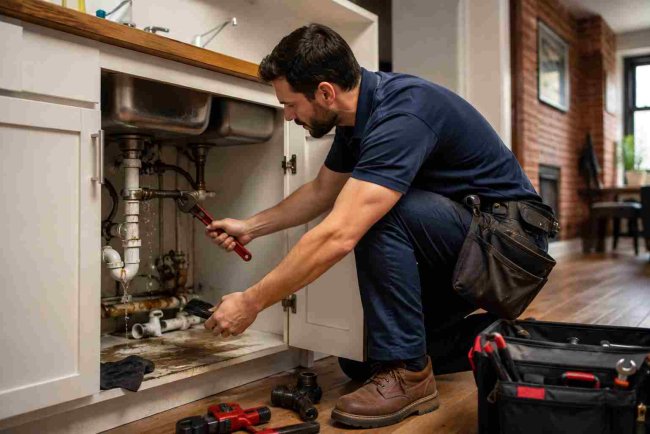
A burst pipe generally requires more than a temporary patch. A plumber needs to locate the damaged section, determine why it failed, remove the damaged material, and restore the plumbing system properly.
Can You Temporarily Fix a Burst Pipe Yourself?
A homeowner may sometimes be able to slow a small leak temporarily, but a DIY repair should not be considered a permanent solution.
For example, an emergency pipe repair clamp designed for plumbing applications may temporarily control certain leaks until a plumber arrives. However, the correct solution depends on the pipe material, location, size of the damage, water pressure, and condition of the surrounding plumbing.
Avoid relying on:
- Tape alone for a major rupture
- Household glue
- Improvised materials
- Permanent wall repairs before the leak is fixed
- Heating a frozen pipe with an open flame
Never use a torch, lighter, or other open flame to thaw a frozen plumbing pipe. It can damage the pipe or create a fire hazard.
What Causes Burst Pipes Besides Freezing?
Freezing is a major winter-related cause, but it is not the only reason a pipe can fail.
Aging Plumbing
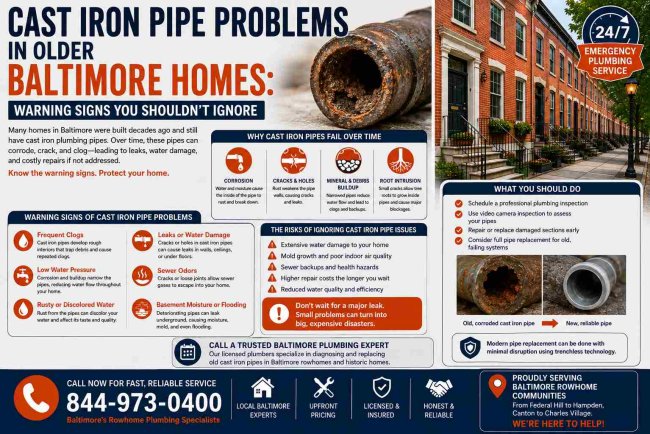
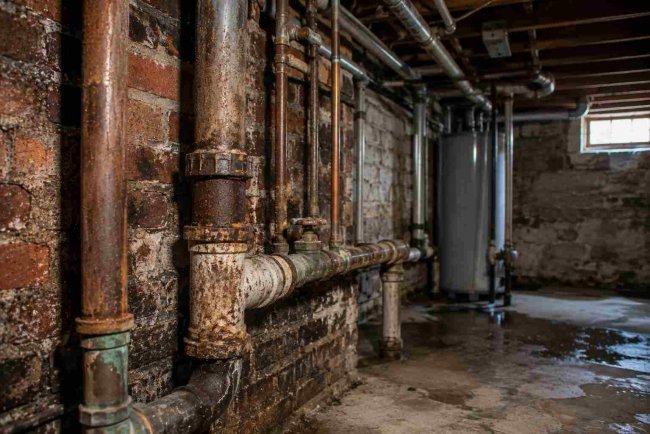
Older pipes can become weaker over time because of corrosion, mineral buildup, repeated temperature changes, or general deterioration.
High Water Pressure
Excessively high water pressure can place unnecessary stress on plumbing components. Over time, this can contribute to leaks and premature failures.
Corrosion
Metal pipes can deteriorate internally and externally. Corrosion can eventually create thin or weak areas that are more likely to fail.
Poor Installation
Incorrectly installed pipes, inadequate supports, poorly fitted connections, or improper materials can increase the chance of failure.
Physical Damage
Construction work, accidental impacts, shifting structures, or other physical forces can damage plumbing.
Lack of Insulation
Pipes in cold or unheated locations are more exposed to freezing conditions. Proper insulation can reduce the risk.
How Do Plumbers Repair a Burst Pipe?
Professional pipe repair begins with identifying the source of the problem rather than immediately opening walls or replacing random components.
A typical repair may involve:
Locating the leak: The plumber determines where water is escaping and identifies the affected section.
Inspecting the pipe: The material and condition of the pipe are evaluated to determine whether repair or replacement is appropriate.
Stopping the water: The water supply remains isolated while the repair is performed.
Removing damaged material: The failed section may need to be cut out.
Installing replacement pipe or fittings: The plumber installs compatible plumbing materials according to the system's requirements.
Testing the repair: Water is restored gradually and the repaired section is checked for leaks.
Checking for additional damage: If freezing caused one pipe failure, other vulnerable sections may need inspection.
In some situations, access through a wall, ceiling, floor, or other finished surface may be necessary.
How Long Does Burst Pipe Repair Take?
The repair itself can sometimes be completed relatively quickly when the damaged pipe is easily accessible.
A straightforward exposed-pipe repair might take approximately 1–3 hours, while more complicated jobs can take considerably longer.
The total timeline depends on:
- Location of the damaged pipe
- Amount of water damage
- Pipe material
- Accessibility
- Number of damaged sections
- Required replacement parts
- Whether walls or ceilings must be opened
- Whether additional plumbing problems are discovered
Water extraction, drying, mold prevention, drywall replacement, flooring repairs, and other restoration work may require additional time beyond the plumbing repair.
How Much Does Burst Pipe Repair Cost in Baltimore?
There is no reliable single price for every burst pipe repair. Costs can vary substantially depending on the circumstances.
Important cost factors include:
- Severity of the leak
- Pipe material
- Location of the pipe
- Accessibility
- Amount of replacement piping required
- Labor requirements
- Emergency or after-hours service
- Water damage
- Required wall or ceiling access
- Additional plumbing damage
- Restoration requirements
A small exposed pipe repair may be relatively straightforward, while a burst pipe inside a finished wall can require additional labor and restoration.
Homeowners should ask the plumber what is included in the estimate and whether additional work could be necessary after the damaged area is opened.
What Happens If You Ignore a Burst Pipe?
Ignoring a burst pipe can create problems that extend far beyond the plumbing system.
Water can damage:
- Drywall
- Insulation
- Flooring
- Cabinets
- Wood framing
- Furniture
- Electrical components
- Personal belongings
Persistent moisture can also create conditions favorable to mold growth.
Even a relatively small leak should not be ignored if it is inside a wall, ceiling, floor, or another concealed location. Water can travel away from the original leak, making the visible damage appear smaller than the actual problem.
When Is a Burst Pipe an Emergency?
A burst pipe should generally be treated as an emergency when water is actively flooding the property, the main shutoff cannot stop the leak, or the water is threatening electrical equipment or major structural areas.
Call for emergency plumbing assistance when:
- Water is rapidly flooding a room
- A ceiling is bulging from trapped water
- Water is entering electrical areas
- The main shutoff does not stop the leak
- A pipe has completely ruptured
- A basement is rapidly filling with water
- Multiple plumbing lines appear frozen
- A commercial property is losing essential water service
- You cannot locate or operate the main shutoff
If water is near electrical equipment, prioritize personal safety rather than attempting to investigate the leak yourself.
People Also Ask About Burst Pipes in Baltimore
What temperature causes pipes to freeze?
There is no single temperature at which every pipe freezes. Pipes can become vulnerable when temperatures remain below freezing, especially when plumbing is poorly insulated or exposed to cold air.
Can a frozen pipe burst even if there is no water leaking?
Yes. A frozen pipe may remain intact while the water is frozen. Once the ice melts and water pressure returns, a damaged section can begin leaking.
Should I turn off the water if a pipe freezes?
If you suspect a pipe has frozen and there is a risk of rupture, knowing how to shut off the main water supply is important. If a pipe has already burst, shut off the main water supply immediately if it is safe.
Can I thaw a frozen pipe with a hair dryer?
A hair dryer or another controlled, low-risk heat source may sometimes be used carefully on an accessible frozen pipe. Never use an open flame. If the pipe has already cracked or you cannot safely identify the frozen section, contact a plumber.
Does homeowners insurance cover a burst pipe?
Coverage depends on the individual insurance policy, the cause of the damage, and whether the homeowner took reasonable steps to maintain the property. Homeowners should review their policy and contact their insurance provider for specific coverage questions.
How Can Baltimore Homeowners Prevent Frozen Pipes?
Prevention is usually easier and less expensive than emergency repair.
Before freezing weather arrives:
- Insulate exposed water pipes.
- Protect plumbing in unheated areas.
- Keep indoor temperatures at a safe level.
- Seal drafts around doors and windows.
- Keep garage doors closed when temperatures are very low.
- Open appropriate cabinet doors to allow warmer indoor air around plumbing.
- Know where the main water shutoff valve is located.
- Disconnect and drain outdoor hoses.
- Protect vulnerable exterior plumbing.
- Have vacant properties properly winterized.
During particularly cold weather, homeowners should pay attention to vulnerable areas such as basements, crawl spaces, garages, and exterior walls.
How Do You Choose the Right Emergency Plumber?
When water is actively damaging your property, choosing the first available plumber can be tempting. However, homeowners should still look for basic indicators of professionalism.
Ask whether the plumber:
- Provides emergency service
- Clearly explains the problem
- Gives an estimate before major work when possible
- Has experience with burst and frozen pipes
- Is properly licensed and insured where required
- Explains repair options
- Tests the plumbing after completing the repair
- Communicates what additional restoration may be needed
Avoid choosing a contractor solely because of the lowest advertised price. Emergency plumbing is often about preventing a small plumbing failure from becoming a much larger property-damage problem.
Voice Search Questions Homeowners Ask
“What should I do if a pipe bursts in winter?”
Shut off the main water supply if safe, protect yourself from electrical hazards, reduce water damage, and contact a professional plumber.
“How do I know if my pipes are frozen?”
Low or absent water flow, frost on exposed pipes, unusual noises, and sudden pressure changes can indicate a frozen pipe.
“Can a frozen pipe burst after it thaws?”
Yes. A pipe can crack while frozen and begin leaking when the ice melts and water pressure returns.
“Should I call a plumber for a frozen pipe?”
Call a plumber if the pipe is inaccessible, already damaged, repeatedly freezes, or you are unsure how to thaw it safely.
Final Thoughts: Act Quickly When a Baltimore Pipe Bursts
A burst pipe during a Baltimore winter is not a plumbing problem that should be left until morning or the weekend. The longer water continues escaping, the greater the potential for damage to walls, floors, ceilings, insulation, belongings, and other parts of the property.
The safest approach is to shut off the water, avoid electrical hazards, protect valuable belongings if possible, and arrange professional plumbing service. After the immediate repair, have other vulnerable plumbing areas inspected so the same problem does not happen again during the next freeze.
For homeowners and businesses in Baltimore who need help with frozen or burst pipes, Plumber in Baltimore provides plumbing assistance and can be reached at 844-973-0400. Learn more at plumberinbaltimore.com.
What's Your Reaction?