Emergency Plumber in Baltimore What to Do Before Help Arrives
Learn what to do before an emergency plumber arrives in Baltimore, including burst pipes, sewer backups, water heaters, costs, repairs, and prevention.
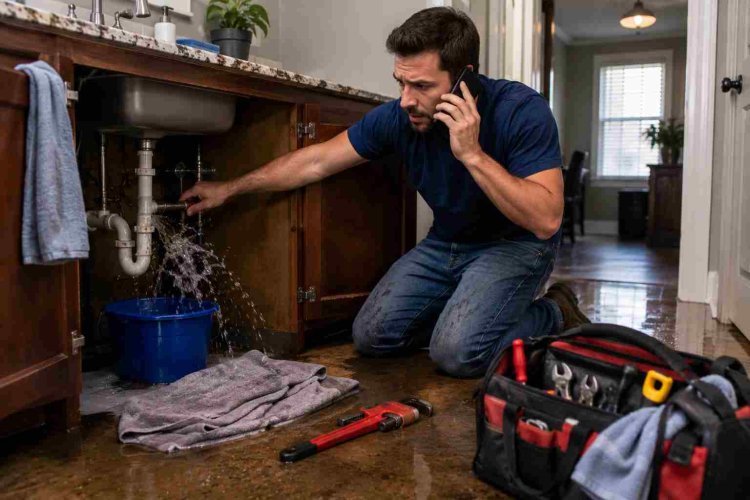
A plumbing emergency can turn from a small inconvenience into major property damage within minutes. A burst pipe can release gallons of water, a sewer backup can contaminate living areas, and a failed water heater can create flooding or scalding hazards. Knowing what to do before a plumber arrives can limit damage, protect your family or employees, and make the eventual repair faster.
For homeowners and businesses in Baltimore, common emergencies include burst or leaking pipes, overflowing toilets, sewer backups, failed water heaters, clogged drains, gas-related plumbing concerns, and sudden loss of water pressure. These problems can happen because of aging plumbing, corrosion, frozen pipes, damaged fittings, blockages, high water pressure, equipment failure, or long-term lack of maintenance.
If you are dealing with an active plumbing emergency, contact a qualified professional as soon as possible. In Baltimore City, plumbing work is generally required to be performed by a properly licensed plumber or under the direct supervision of an insured, licensed master plumber. Baltimore City also provides specific provisions for emergency plumbing work involving potential health or hazardous conditions.
What Counts as a Plumbing Emergency?
Not every plumbing problem requires an emergency response. A slow-draining sink or dripping faucet may be able to wait for a scheduled appointment. An uncontrolled leak, sewage backup, or loss of essential water service usually should not.
Call an emergency plumber when:
- Water is actively flooding your home or business.
- A pipe has burst or cannot be shut off.
- Sewage is backing up into toilets, showers, or floor drains.
- A water heater is leaking heavily or has failed dangerously.
- You have no usable water because of a serious plumbing failure.
- Water is reaching electrical outlets, appliances, or electrical panels.
- A major drain or sewer blockage is causing wastewater to overflow.
- A plumbing failure is causing structural damage.
- A gas-related plumbing issue creates a possible safety hazard.
If you smell natural gas, leave the area and contact the appropriate emergency utility service. Do not attempt to repair gas piping yourself.
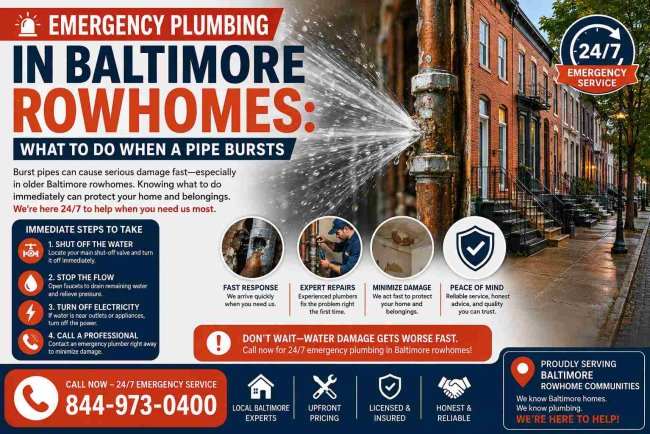
What Should You Do First When a Pipe Bursts?
The first priority is stopping the water, not finding the exact cause.
If it is safe to do so, locate the home's main water shutoff valve and turn it clockwise until the water stops. For a fixture-specific leak, you may be able to close the small shutoff valve underneath the sink or behind the toilet.
Once the water is off, open a nearby faucet briefly to relieve pressure in the plumbing system.
Then move furniture, electronics, documents, rugs, and other valuables away from the water. If electrical equipment is already wet, do not touch it. Stay away from standing water near electrical components and have the appropriate professional address the electrical hazard.
For a business, shut down affected areas if necessary and keep employees or customers away from wet or unsafe locations.
How Can You Reduce Water Damage Before the Plumber Arrives?
After shutting off the water, focus on containment.
Use buckets, towels, plastic containers, or other safe materials to collect remaining water. If water is coming through a ceiling, place a container underneath the drip and move valuables away from the area.
Do not assume that a ceiling stain is harmless. Water trapped above a ceiling can damage drywall, insulation, framing, electrical components, and finishes. A visibly swollen or sagging ceiling should be treated seriously.
Take photographs and videos before cleanup if it is safe. These records can help document the location and severity of the problem for your property manager, insurance company, or plumber.
Avoid making unnecessary repairs before the source of the leak is identified. A temporary patch may hide the actual problem and make diagnosis more difficult.
Why Do Plumbing Emergencies Happen in Baltimore Homes?
Plumbing emergencies can have several causes, and the visible leak is not always the original failure point.
Older properties may have aging pipes, corroded connections, worn valves, or outdated fixtures. Over time, corrosion can weaken a pipe until a small disturbance causes it to leak or break.
Clogs are another common cause. Grease, food debris, hair, paper products, mineral buildup, and foreign objects can restrict drainage. When pressure builds behind a blockage, weak connections or damaged pipes may fail.
Other causes include:
- Frozen or damaged pipes
- Excessive water pressure
- Failed pipe joints
- Corrosion
- Tree-root intrusion into sewer lines
- Broken sewer connections
- Failed toilet components
- Water heater deterioration
- Aging supply lines
- Improper previous repairs
- Severe weather or physical damage
A professional plumber looks beyond the water on the floor to determine why the failure happened.
What Are the Warning Signs of a Plumbing Emergency?
Many serious plumbing failures provide warning signs before the final breakdown.
Watch for unexplained increases in your water bill, damp walls, stains on ceilings, musty odors, bubbling paint, low water pressure, unusual pipe noises, toilets that repeatedly clog, slow drains throughout the building, or water appearing where it should not.
A sewer problem may produce multiple slow drains, foul odors, gurgling toilets, or wastewater coming up through a floor drain.
A failing water heater may show rust-colored water, unusual noises, moisture around the tank, or repeated temperature and pressure problems.
Recognizing these signs early can allow you to schedule a repair before the issue becomes an emergency.
What Temporary Fixes Are Safe?
Temporary measures should only control the situation until professional help arrives.
For a small supply-line leak, closing the nearby shutoff valve may stop the flow. For a burst pipe, shutting off the main water supply is generally more effective.
A bucket underneath a controlled drip can help protect flooring temporarily. Towels can absorb surface water, but they should not be considered a solution for an active leak.
For a toilet overflowing because of a suspected blockage, close the toilet's supply valve and stop flushing.
Avoid using chemical drain cleaners when a serious blockage is suspected, especially if a plumber may need to work on the drain soon. Chemical products can create additional hazards and may not solve the underlying obstruction.
Do not cut into walls, remove pipes, or attempt complicated repairs simply to save a service call. An incorrect repair can increase the eventual cost.
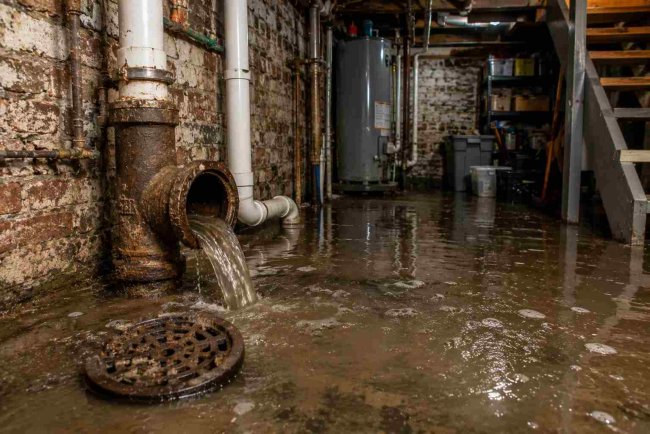
What Should You Do About a Sewer Backup?
Treat sewage as a sanitation problem, not simply a clogged drain.
Stop using toilets, sinks, showers, washing machines, and other fixtures if using them could add more wastewater to the system.
Keep children and pets away from contaminated areas. Avoid unnecessary contact with sewage and do not walk through contaminated water without appropriate protection.
If sewage has entered finished areas, professional cleanup may be necessary after the plumbing problem is corrected. Simply removing visible wastewater does not automatically eliminate contamination.
A sewer backup can result from a localized blockage, damaged sewer piping, root intrusion, or a larger drainage problem. A plumber may need to inspect the line rather than repeatedly clearing the same symptom.
When Is a Water Heater Problem an Emergency?
A leaking water heater should not automatically be treated as a minor drip.
If water is actively escaping from the tank, connections, or surrounding piping, shut off the water supply to the unit if you can safely access the valve. If the unit uses gas or electricity and there is a related safety concern, do not attempt repairs yourself.
Water heaters can fail because of corrosion, sediment accumulation, damaged components, pressure problems, or age.
A professional can determine whether the unit can be repaired or whether replacement makes more sense. The correct solution depends on the heater's age, condition, failure point, capacity, and installation requirements.
How Long Does an Emergency Plumbing Repair Take?
There is no reliable single timeline for every emergency.
A simple shutoff-valve replacement may be relatively quick. Clearing an accessible drain blockage may also be completed during one visit. A burst pipe hidden inside a wall can require more time because the plumber must locate the failure, access the damaged section, replace it, and test the system.
A sewer problem may require camera inspection, drain cleaning, excavation, or pipe repair depending on the location and severity.
Typical factors affecting repair time include:
- Where the failure is located
- Accessibility of the plumbing
- Severity of the damage
- Availability of replacement parts
- Whether walls or flooring must be opened
- Whether permits or inspections are required
- Whether additional restoration is needed
In Baltimore City, emergency work addressing a possible health hazard or hazardous condition may proceed under specific code provisions before a permit is issued, with required notification and subsequent permitting.
How Much Does an Emergency Plumber in Baltimore Cost?
Emergency plumbing prices vary considerably, so homeowners should be cautious about anyone promising one universal price before seeing the problem.
The final cost can depend on the emergency's severity, time of service, parts required, labor, accessibility, diagnostic work, equipment, and whether additional repairs are necessary.
For example, replacing an accessible valve is very different from repairing a buried water line or damaged sewer pipe.
Before authorizing major work, ask:
- What caused the problem?
- What needs to be repaired immediately?
- What can safely wait?
- What is included in the quoted price?
- Are parts and labor included?
- Could additional damage be discovered after opening the area?
- Are permits or inspections required?
A trustworthy plumber should explain the recommended repair rather than pressuring you into unnecessary work.
What Happens During a Professional Emergency Plumbing Visit?
A professional emergency response usually begins with an assessment of the immediate danger.
The plumber identifies the source of the water or wastewater, determines whether the supply needs to be isolated, checks surrounding plumbing, and evaluates the safest way to stabilize the problem.
Once the emergency is controlled, the plumber diagnoses the underlying cause. Depending on the issue, this may involve visual inspection, pressure testing, drain equipment, or sewer-line inspection technology.
The repair is then completed using appropriate materials and methods. The system should be tested afterward to confirm that water is flowing correctly and the repaired area is not leaking.
The goal is not simply to stop today's leak. The goal is to correct the failure that caused it.
What Happens If You Ignore a Plumbing Emergency?
Delaying a serious plumbing repair can increase both damage and cost.
Water can migrate behind walls and underneath flooring where it may remain unnoticed. Continued moisture can damage building materials and contribute to mold growth.
A sewer backup creates sanitation concerns. A deteriorating water heater can cause extensive flooding if the tank or connection fails completely.
A partially blocked sewer line can also become a complete blockage, leaving you with wastewater backups when you least expect them.
For businesses, the consequences can include interrupted operations, damaged inventory, inaccessible bathrooms, customer disruption, and potential property damage.
When water is actively escaping or wastewater is backing up, waiting for the problem to become worse is rarely the economical choice.
How Can Homeowners Prevent Plumbing Emergencies?
Emergency prevention begins with routine attention to small warning signs.
Do not ignore slow drains, recurring toilet clogs, unexplained water stains, or persistent leaks. Have recurring problems investigated instead of repeatedly treating the symptoms.
Avoid putting grease, oils, wipes, paper towels, or unsuitable materials down drains. Use drain screens where appropriate to reduce hair and debris.
Know where your main water shutoff valve is located before an emergency happens. Every adult in the household should know how to reach it.
Inspect visible supply lines and connections periodically for corrosion, moisture, or deterioration.
Water heaters and other plumbing equipment also benefit from appropriate maintenance and professional inspection, especially as they age.
People Also Ask: Emergency Plumbing in Baltimore
Should I turn off the main water supply during a plumbing emergency?
If water is actively leaking and you cannot stop it at the fixture, shutting off the main water supply can limit damage. Make sure everyone in the property knows where the valve is located.
Can I fix a burst pipe myself?
A homeowner may be able to shut off the water and contain the leak temporarily, but permanent pipe repair should generally be handled by a qualified professional, particularly when the pipe is concealed or the damage is extensive.
Is a clogged toilet always a plumbing emergency?
No. A single toilet that is clogged but not overflowing may not require emergency service. If wastewater is overflowing, multiple drains are backing up, or the problem repeatedly returns, professional attention becomes more important.
What should I do if sewage backs up into my house?
Stop using plumbing fixtures, keep people and pets away from contaminated areas, and contact a qualified plumber. Professional cleanup may also be necessary.
How quickly should I call an emergency plumber?
Call as soon as practical when water cannot be controlled, sewage is backing up, major property damage is occurring, or there is a significant safety concern.
Voice Search Questions About Emergency Plumbing
“What should I do before an emergency plumber arrives?”
Shut off the water if possible, move valuables away from the leak, avoid electrical hazards, contain standing water safely, and document the damage.
“How do I stop a burst pipe from flooding my house?”
Turn off the main water supply immediately if it is safe, then call a professional plumber.
“When should I call an emergency plumber?”
Call when a plumbing failure is causing uncontrolled water loss, sewage backup, major flooding, unsafe conditions, or significant property damage.
“How much does an emergency plumber cost in Baltimore?”
The price depends on the problem, labor, parts, accessibility, timing, and repair complexity. Get a clear explanation of the recommended work and pricing before authorizing non-emergency repairs.
How to Choose the Right Emergency Plumber in Baltimore
When you are standing in a flooded basement, this is not the time to choose a plumber based only on the first advertisement you see.
Look for a plumbing company that can clearly explain its emergency process, provides transparent communication, and uses appropriately licensed professionals.
Ask about licensing, insurance, experience with your specific problem, expected response time, diagnostic methods, and pricing.
Baltimore City regulations require plumbing services to be performed by properly licensed individuals and generally under the direct supervision of an insured, licensed master plumber.
You should also pay attention to how the plumber communicates. A professional should explain what has happened, what must be done immediately, what repair options exist, and what risks remain if the underlying issue is not corrected.
Why Contact Plumber in Baltimore?
When a plumbing problem cannot wait, getting professional help quickly can prevent a manageable repair from becoming extensive property damage.
Plumber in Baltimore provides plumbing assistance for customers dealing with urgent plumbing problems in Baltimore. If you are facing an active leak, burst pipe, clogged sewer, water heater problem, or another serious plumbing issue, call 844-973-0400 to discuss the situation and request professional assistance.
Before the plumber arrives, remember the priorities: stop the water if it is safe, protect people from hazards, keep away from sewage or electrical dangers, limit property exposure, and avoid risky DIY repairs.
The faster the source is controlled and properly diagnosed, the better your chances of limiting damage and restoring your plumbing system safely.
Final Takeaway
A plumbing emergency is stressful, but the first few minutes matter. Knowing where the main shutoff is, recognizing serious warning signs, and knowing when to call a professional can make a significant difference.
Do not focus only on stopping the visible leak. The real repair requires identifying why the plumbing failed in the first place.
For Baltimore homeowners and businesses, professional emergency plumbing help can provide the diagnosis, repair, and guidance needed to get the property back to normal. When the problem is beyond a safe temporary fix, contact Plumber in Baltimore at 844-973-0400 rather than allowing a small plumbing failure to become a much larger problem.
What's Your Reaction?