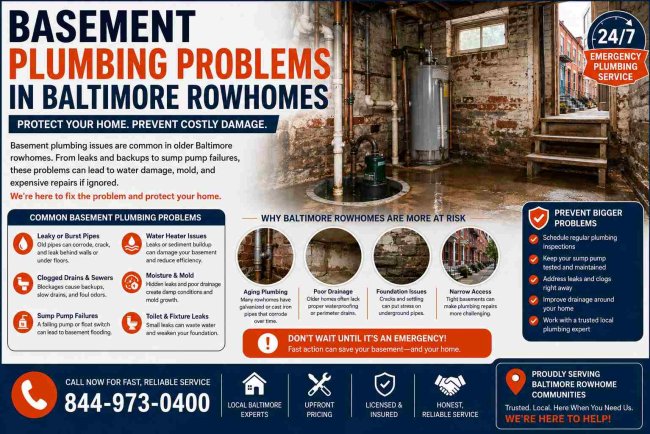
Sewage Backup in Baltimore What to Do Immediately
Sewage backup in Baltimore? Learn what to do immediately, common causes, warning signs, repair options, costs, risks, and when to call a plumber
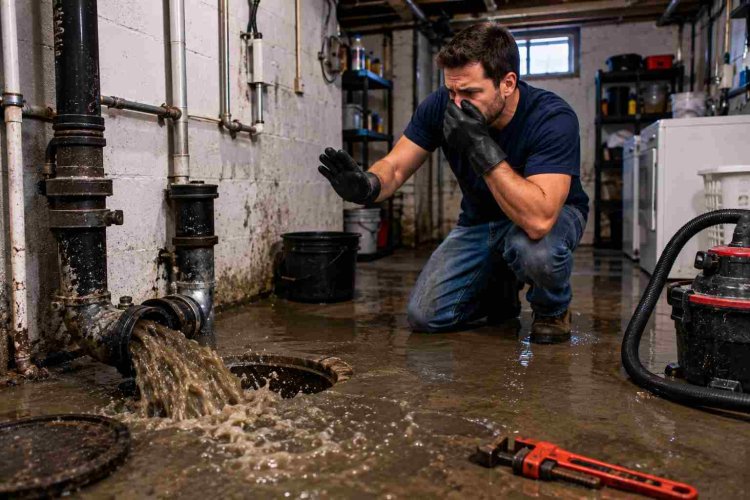
A sewage backup is more than an unpleasant plumbing problem. It means wastewater that should be moving through your drainage system is coming back into your home, business, basement, bathroom, or other occupied area. Because sewage can contain harmful bacteria and other contaminants, a backup should be treated as a potentially hazardous plumbing emergency.
Sewage backups can happen in Baltimore homes, apartments, rental properties, restaurants, offices, and commercial buildings. The problem may begin with a clogged drain, damaged sewer pipe, tree roots, grease buildup, or a problem with the municipal sewer system. In some cases, several warning signs appear before wastewater actually enters the property.
The most important thing is to act quickly. Stop using plumbing fixtures, keep people and pets away from contaminated water, and contact a qualified plumber who can determine where the blockage is located and what caused it.
For homeowners and businesses in Baltimore, Plumber in Baltimore provides plumbing assistance for sewer and drainage problems. Call 844-973-0400 when professional help is needed.
What Should You Do Immediately During a Sewage Backup?
The first few minutes can make a significant difference in preventing additional damage.
Stop using water throughout the property. Do not flush toilets, run washing machines, use showers, or operate sinks unless a plumber has confirmed that the sewer line is functioning normally.
If wastewater is rising near electrical outlets, appliances, extension cords, or electrical panels, do not enter the contaminated area. Electrical hazards can become extremely dangerous when water is present.
Keep children and pets away from sewage. Avoid walking through contaminated water whenever possible.
If it is safe to do so, move valuable items, furniture, boxes, and other belongings away from the affected area. Do not put yourself at risk to save possessions.
Do not use chemical drain cleaners to try to solve a sewage backup. A main sewer blockage is usually much deeper than a normal sink clog, and chemicals may not remove the obstruction. They can also create additional hazards for anyone who later has to work on the pipe.
Once the immediate area is secured, contact a professional plumber for an inspection.
What Are the Warning Signs of a Sewer Backup?
A complete sewage backup is not always the first indication that something is wrong. Your plumbing system may provide several warnings.
Common signs include:
- Multiple drains becoming slow at the same time
- Water backing up into a bathtub when a toilet is flushed
- Gurgling or bubbling toilets
- Unpleasant sewage odors inside the property
- Repeated toilet or drain clogs
- Wastewater appearing around floor drains
- Water pooling near basement drains
- A toilet bowl filling higher than normal
- Drains making unusual bubbling sounds
- Sewage returning after a temporary drain clearing
One slow sink does not necessarily mean you have a sewer-line problem. However, when several fixtures start acting strangely at the same time, the issue may involve the main drainage or sewer line.
Why Does Sewage Back Up in Baltimore Homes and Businesses?
Several problems can cause wastewater to move in the wrong direction.
Main Sewer Line Clogs
A blockage in the main sewer line can prevent wastewater from leaving the building. As more water enters the system, it may eventually back up through the lowest available drain.
Tree Root Intrusion
Tree roots naturally seek water. Small cracks or joints in underground sewer pipes can allow roots to enter the line. Over time, the roots can collect paper, grease, and other debris and create a substantial obstruction.
Grease and Debris
Restaurants and commercial kitchens are particularly vulnerable to grease-related drainage problems. Even residential plumbing can develop buildup when fats, oils, grease, wipes, paper products, and other unsuitable materials are repeatedly flushed or washed into drains.
Damaged or Collapsed Sewer Pipes
Older sewer lines can deteriorate over time. Cracks, separated joints, corrosion, shifting soil, or a collapsed section of pipe can restrict wastewater flow.
Heavy Rain and Sewer Overloading
During periods of heavy rainfall, sewer systems can experience increased water volume. Depending on the local drainage and sewer configuration, excessive stormwater can contribute to backups or flooding conditions.
Sewer System Problems
Sometimes the source of a backup is not inside the property. A blockage or problem farther along the public sewer system can affect multiple buildings.
A professional inspection is important because the correct repair depends on the location and cause of the blockage.
Can You Fix a Sewage Backup Yourself?
There are a few safe temporary steps you can take, but a significant sewage backup usually requires professional diagnosis.
The safest immediate action is to stop adding water to the drainage system. You can also isolate the affected area and remove items from the vicinity if doing so does not require contact with contaminated water.
Avoid repeatedly flushing a backed-up toilet. Do not pour drain chemicals into standing sewage. Do not attempt to open or dismantle underground sewer piping without the appropriate equipment and experience.
A household plunger may help with an isolated toilet blockage, but it is not a dependable solution when multiple fixtures are backing up.
If wastewater is coming through a basement floor drain or several drains are affected, assume there may be a main-line problem until a professional inspection proves otherwise.
How Do Plumbers Find the Cause of a Sewer Backup?
A professional plumber normally begins by asking when the problem started and which fixtures are affected.
The plumber may inspect accessible cleanouts and drainage points before using specialized equipment. A drain machine or sewer-cleaning equipment may be used to remove an obstruction when appropriate.
For recurring or difficult sewer problems, a sewer camera inspection can be especially useful. A small camera travels through the pipe and allows the plumber to look for roots, cracks, heavy buildup, separated joints, or other structural problems.
This matters because clearing the blockage without identifying its cause may only provide temporary relief.
For example, if tree roots are repeatedly entering a cracked sewer pipe, simply clearing the roots may not prevent the problem from returning. The damaged section may eventually require repair or replacement.
What Is the Professional Sewage Backup Repair Process?
The exact process depends on the condition of the plumbing system.
First, the plumber identifies the affected drainage line and determines whether the blockage is isolated or located in the main sewer line.
Next, appropriate equipment is selected. A mechanical drain-cleaning machine may be used to clear certain obstructions. In some situations, high-pressure water jetting may be appropriate for removing stubborn buildup.
If the inspection reveals structural damage, the plumber will explain the repair options. Depending on the pipe condition and location, this could involve repairing a section of pipe, replacing a damaged line, or using a trenchless repair method when suitable.
After the plumbing work, the system should be tested to confirm that wastewater is flowing properly.
Sewage cleanup may require a separate restoration or sanitation professional, particularly when contaminated water has affected flooring, drywall, insulation, furniture, or other porous materials.
How Long Does a Sewer Backup Repair Take?
A simple blockage can sometimes be cleared during the initial service visit.
More complicated problems can take longer. A sewer camera inspection, extensive root intrusion, collapsed pipe, difficult underground access, or damaged sewer connection may require additional work.
A reasonable expectation is:
- Simple drain or sewer blockage: potentially resolved during one service visit
- Heavy buildup or root intrusion: may require additional cleaning or treatment
- Sewer pipe damage: repair time depends on location and severity
- Collapsed or severely damaged line: may require excavation or specialized repair
- Extensive sewage contamination: plumbing repairs and cleanup may occur on separate timelines
A reputable plumber should explain what they found, what needs to be repaired, and how long the recommended work is expected to take before major work begins.
How Much Does Sewage Backup Repair Cost in Baltimore?
There is no single price for sewage backup repair because the cost depends heavily on the cause and location of the problem.
A basic blockage is generally less expensive than a damaged underground sewer line. Additional factors may include the severity of the obstruction, accessibility of the sewer line, emergency service timing, camera inspection requirements, root intrusion, excavation, pipe replacement, and restoration work.
For an accurate estimate, the plumbing system needs to be inspected.
When comparing estimates, do not look only at the lowest number. Ask whether the quote includes diagnosis, equipment, labor, cleanup responsibilities, permits when applicable, and the recommended repair itself.
Emergency plumbing performed outside normal business hours can also have different pricing from scheduled service.
What Happens If You Ignore a Sewage Backup?
Ignoring a sewage backup can turn a plumbing problem into a much larger property and sanitation problem.
Standing sewage can damage flooring, drywall, cabinets, insulation, and personal belongings. Continued exposure can also create unpleasant odors and unsanitary conditions.
More importantly, sewage may contain microorganisms and contaminants that make contact with the water unsafe.
A recurring backup can also indicate a deeper sewer-line problem. If the underlying cause is not corrected, the backup may happen again at an inconvenient time, potentially causing more damage.
If sewage is entering living areas, the safest approach is to stop using the plumbing and arrange professional evaluation as soon as possible.
When Is a Sewage Backup an Emergency?
Treat the situation as an emergency when sewage is actively entering the property, multiple drains are backing up, wastewater is spreading rapidly, or the affected area creates an electrical or sanitation hazard.
Emergency attention is also appropriate when a commercial property cannot safely operate because of a sewage problem.
If sewage is near electrical equipment, do not enter the affected area simply to investigate. Contact the appropriate professionals and follow safety instructions.
The sooner the source is identified, the better the chance of limiting additional property damage.
People Also Ask About Sewage Backups
Why is sewage backing up into my bathtub?
A bathtub is often one of the lowest plumbing fixtures in a home. When a main drain or sewer line is blocked, wastewater may seek the lowest available opening, which can cause sewage or dirty water to appear in the bathtub.
Can a sewage backup go away by itself?
A backup may temporarily disappear if water pressure changes or a partial obstruction shifts, but that does not necessarily mean the problem is fixed. Recurring symptoms should be professionally investigated.
Should I flush my toilet during a sewer backup?
No. Avoid flushing toilets or running additional water until the cause of the backup has been identified. Adding more water can increase the amount of wastewater entering the property.
Does homeowners insurance cover sewage backup?
Coverage depends on the individual insurance policy and the cause of the damage. Some policies require specific sewer or water-backup coverage. Contact your insurance provider to understand your coverage before assuming a claim will be covered.
How do I know whether the problem is inside my house or outside?
A plumber can help determine whether the blockage is in the building's private sewer line or farther downstream. Multiple affected fixtures often point toward a larger drainage problem, but professional testing is needed for a reliable determination.
Voice Search Questions About Sewer Backups
What should I do first if sewage backs up?
Stop using water, keep people and pets away from the contaminated area, avoid electrical hazards, and contact a professional plumber for an inspection.
How quickly should a sewage backup be repaired?
A significant sewage backup should be addressed as soon as possible. Delaying service can increase property damage and make cleanup more difficult.
What causes a main sewer line to back up?
Common causes include clogs, grease and debris buildup, tree roots, damaged pipes, collapsed sections, and problems affecting the larger sewer system.
Can a plumber remove a sewer blockage without digging?
In many situations, yes. Drain-cleaning equipment, sewer cameras, and other specialized methods can sometimes locate and clear problems without excavation. Whether trenchless or no-dig repair is possible depends on the condition and location of the pipe.
How Can Baltimore Homeowners Prevent Future Sewer Backups?
Prevention begins with what goes down the drains.
Never flush wipes, paper towels, feminine hygiene products, diapers, or other items that are not designed to be flushed.
Keep grease, cooking oil, and fats out of kitchen drains. Allow them to cool and dispose of them properly.
Pay attention to recurring slow drains and gurgling toilets. These symptoms may be early warnings of a developing sewer problem.
If your property has a history of sewer issues or mature trees near underground plumbing, ask a plumber whether periodic sewer camera inspections make sense for your situation.
You should also know where your main sewer cleanout is located. Having access to the cleanout can make diagnosis and service easier during an emergency.
How to Choose the Right Baltimore Plumber for a Sewer Backup
When sewage is backing up, speed matters, but choosing a qualified professional still matters.
Look for a plumber who can clearly explain the suspected cause rather than immediately recommending an expensive replacement.
Ask whether sewer camera inspection is available when the problem is recurring or the cause is unclear.
Confirm that the company is properly licensed and insured for the work being performed. Ask about emergency availability, expected response time, diagnostic fees, and how estimates are handled.
A trustworthy plumber should explain your options in understandable language and distinguish between an immediate temporary solution and a permanent repair.
For Baltimore homeowners and businesses looking for plumbing assistance, Plumber in Baltimore can be contacted at 844-973-0400.
Final Takeaway: Act Quickly When Sewage Backs Up
A sewage backup is not simply another clogged drain. It can indicate a blocked, damaged, or overloaded sewer system and can create significant property and sanitation concerns if ignored.
The safest first step is to stop using water and keep people and pets away from contaminated areas. Avoid chemical drain cleaners and do not repeatedly flush toilets or run fixtures in an attempt to push the blockage through.
Professional diagnosis is important because clearing the visible backup does not necessarily fix the underlying problem. A qualified plumber can determine whether the cause is a blockage, roots, pipe damage, buildup, or another sewer-system issue and recommend the appropriate repair.
For Baltimore property owners, getting professional help early can reduce the chance of additional damage, repeated backups, and unnecessary repair costs.
What's Your Reaction?