Understanding {{ $json.selected_topic }} in Baltimore Homes
Learn the mechanical causes, diagnostic steps, and repair considerations for {{ $json.selected_topic }} in Baltimore properties.
Direct Answer & Physical System Mechanics
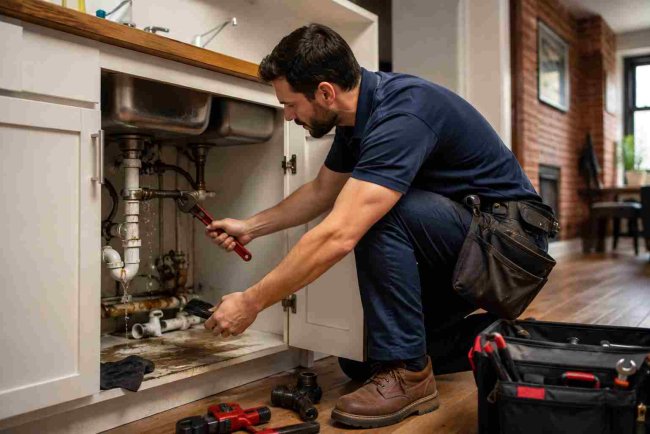
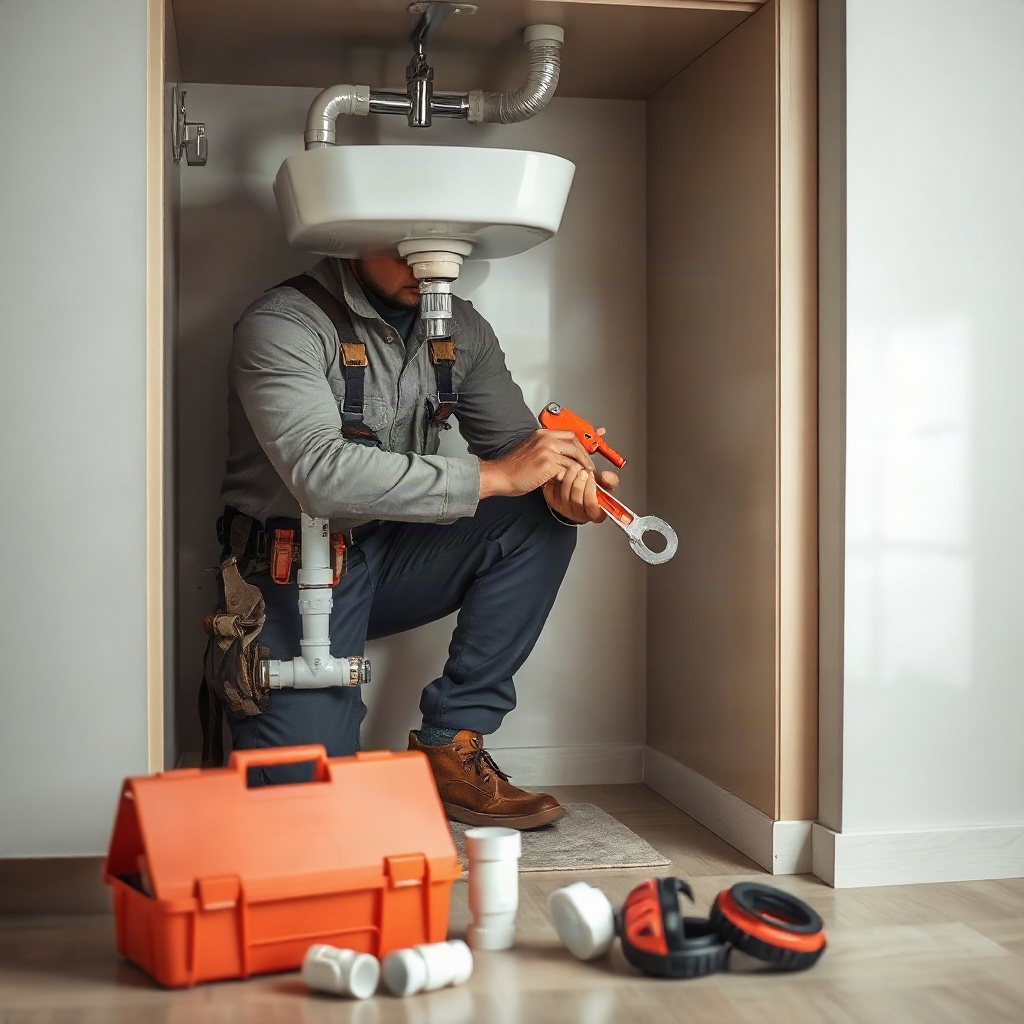
When dealing with {{ $json.selected_topic }}, homeowners must immediately understand that the root issue stems from localized mechanical failure within the broader plumbing network rather than an isolated anomaly. The physical failure mode is typically driven by hydraulic pressure imbalances, scale accumulation reducing internal diameters, or structural stress within aging supply and drainage networks. Establishing clear diagnostic boundaries separates fixture-specific inconveniences from main building drain or stack failures, preventing misdirected repair efforts that leave underlying vulnerabilities unaddressed.
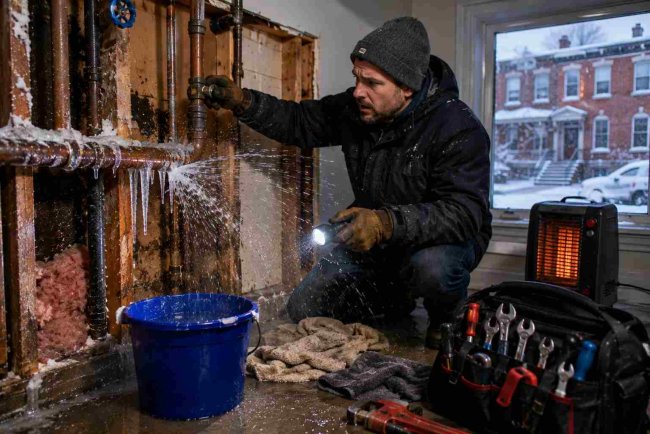
In municipal settings like Baltimore, aging infrastructure interacts constantly with private property networks. Water pressure fluctuations, shifting sub-grades, and decades of thermal expansion place immense strain on pipe joints. When a system fails under these conditions, pressure gradients force water or waste through the path of least resistance, resulting in unexpected leaks, backups, or acoustic anomalies throughout the building framework.
Overlooked Trade Secrets & Hidden Diagnostic Clues
Experienced diagnostic plumbers look past the obvious symptom to find the true origin of a plumbing failure. Water rarely emerges directly beneath its source; instead, surface tension allows it to track horizontally along floor joists, subflooring, and plaster lath before finally pooling on a ceiling or basement floor. Clearing a blockage with a standard mechanical cable or hand snake provides only temporary relief if grease, mineral scale, or root intrusion is not completely scoured from the pipe walls.
Furthermore, vent pipe blockages frequently mimic physical drain clogs by creating an airlock that restricts drainage and generates gurgling trap sounds. Homeowners must also differentiate between static water pressure and dynamic flow rate. A system may register normal static pressure on a gauge, yet experience severe pressure drops when multiple fixtures operate simultaneously due to interior pipe constriction or partially closed shutoff valves.
Safe Homeowner Triage vs. Dangerous DIY Boundaries
Before professional intervention takes place, homeowners can safely perform specific triage steps to mitigate property damage. Locating the main indoor water shutoff valve is critical; every occupant should know how to operate it, distinguishing it from the municipal curb stop located near the property line. Conducting a silent dye test in toilet tanks identifies hidden flapper leaks, while observing the low-flow indicator needle on the water meter helps confirm whether an unobserved supply leak is running.
However, strict safety boundaries must be maintained:
- Never unthread a main cleanout plug under liquid head pressure, as this can trigger a dangerous wastewater geyser.
- Avoid pouring caustic chemical drain openers into aging cast-iron or galvanized pipes, which accelerates corrosion and creates severe chemical burn risks.
- Never attempt to alter rigid or flexible gas supply lines without proper licensing.
- Exercise extreme caution near electrical panels or outlets if standing water is present in a basement or crawlspace.
Baltimore Architectural & Infrastructure Realities
Baltimore's unique architectural landscape directly influences plumbing system behavior. Classic 19th- and early 20th-century brick rowhouses feature shared party walls and exceptionally tight service chases, making pipe replacement and leak detection complex. These historic properties often contain mixed-metal transitions, ranging from vintage lead service lines and galvanized iron supply pipes to original bell-and-spigot cast iron drainage stacks.
Additionally, sub-grade daylight basements across the region are frequently vulnerable to municipal storm line surcharges, necessitating reliable backwater valves to prevent street runoff from entering living spaces. High mineral content in the regional water supply also accelerates sediment baking at the base of gas and electric water heaters, reducing overall heating efficiency and lifespan.
Repair Options & Transparent Cost Drivers
Addressing {{ $json.selected_topic }} requires evaluating various repair methods, ranging from temporary mechanical clamps and spot section replacements to complete repiping or trenchless pipe lining (CIPP). While temporary patches offer immediate relief, structural degradation in aging pipes generally demands complete section replacement to ensure long-term reliability.
| Repair Approach | Best Application | Primary Limitation |
|---|---|---|
| Temporary Clamp / Sleeve | Emergency containment | Short lifespan; does not fix pipe wall decay |
| Spot Section Replacement | Localized damage or joint failure | Requires physical access and cutting into finishes |
| Trenchless Lining (CIPP) | Widespread internal degradation | Requires clear access points and structurally sound layout |
Pricing for any plumbing intervention is driven by several transparent factors rather than arbitrary flat rates. Diagnostic camera equipment time, access complexity (such as working within a cramped crawlspace versus breaking through historic Baltimore plaster or concrete slabs), municipal permit requirements, and emergency after-hours dispatch all influence the final scope and labor investment required.
Frequently Asked Questions
1. What is the primary root cause of {{ $json.selected_topic }} in residential properties?
{{ $json.selected_topic }} is typically triggered by a combination of material fatigue, mineral scale accumulation, and hydraulic pressure changes that stress vulnerable pipe joints or wall structures over time.
2. What are the earliest warning signs that indicate this issue is developing?
Early indicators often include localized dampness, subtle drops in water pressure, unusual gurgling sounds within the drainage network, or minor unexplained increases in monthly water consumption.
3. What safe, non-invasive checks can a homeowner perform before calling a professional?
Homeowners can inspect visible supply lines, verify the water meter low-flow indicator, test toilet flappers for silent leaks, and check that all accessible cleanout caps are secure.
4. What common DIY mistakes tend to worsen this specific plumbing damage?
Using harsh chemical drain openers on aging metal pipes, over-tightening threaded fittings, and attempting to clear blockages with undersized or incorrect mechanical snakes frequently escalate the damage.
5. What physical indicators signal that a pipe or fixture has reached the end of its material lifespan?
Widespread exterior corrosion, flaking rust on cast-iron surfaces, pinhole leaks in copper lines, and persistent joint weeping clearly indicate that material degradation has compromised structural integrity.
6. What primary factors influence the labor and financial investment required for repairs?
Cost drivers include the depth and accessibility of the affected pipe, the necessity of cutting into structural finishes or concrete slabs, local permit fees, and whether the situation requires emergency dispatch.
7. When should a homeowner choose repair over complete system replacement?
Repairs are appropriate when damage is isolated to a single fitting or short pipe section, whereas widespread corrosion or repeated failures across multiple zones necessitate full replacement.
8. How do Baltimore's historic rowhouses uniquely impact this plumbing challenge?
Tight service chases, shared party walls, and mixed-metal transitions from vintage installations make routing new lines and accessing hidden leaks significantly more complex in historic city homes.
9. What preventative maintenance routines reduce the likelihood of recurrence?
Routine camera inspections, annual water heater flushes to clear mineral sediment, pressure-reducing valve (PRV) testing, and avoiding chemical drain cleaners help maintain system health.
10. When is emergency professional intervention strictly required?
Professional help is mandatory when active flooding occurs, when the main water supply cannot be shut off, when sewage backs up into living areas, or when electrical hazards are present near water.
What's Your Reaction?