Emergency Plumbing in Baltimore Rowhomes What to Do When a Pipe Bursts
A practical guide to burst pipes in Baltimore rowhomes, including emergency steps, causes, repair timelines, costs, prevention, and when to call a plumber.
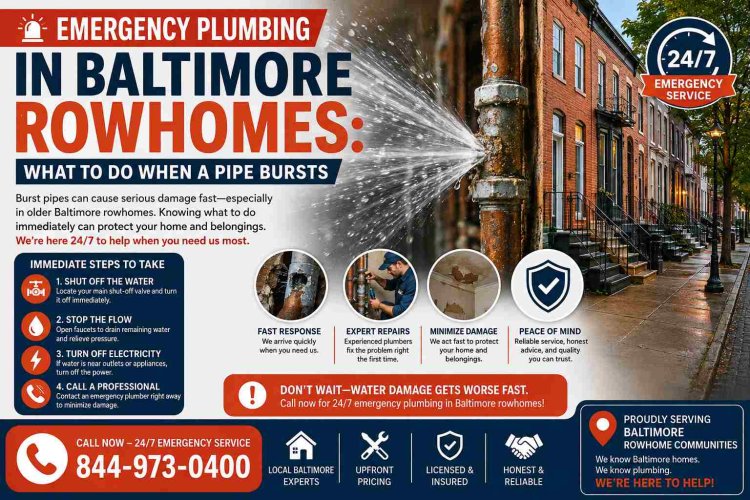
A burst pipe in a Baltimore rowhome can turn from a small plumbing problem into a major water-damage emergency within minutes. Water can spread through finished basements, walls, ceilings, flooring, and neighboring areas before a homeowner even finds the source.
Baltimore rowhomes also have some characteristics that can make plumbing emergencies more complicated. Many properties are older, tightly connected, have finished or partially finished basements, and contain plumbing located near exterior walls or other areas vulnerable to winter temperatures.
When a pipe bursts, the priority is not figuring out the entire repair yourself. The first priority is stopping the water, protecting people and property, and getting a qualified plumber to identify and repair the damaged pipe.
Baltimore's plumbing regulations incorporate the 2021 International Plumbing Code with city-specific modifications. The city also has provisions allowing licensed master plumbers to perform certain emergency work before a permit is issued when necessary to address a hazardous condition, with required notification and follow-up permitting.
What Causes a Pipe to Burst in a Baltimore Rowhome?
Several problems can cause a water pipe to split, crack, or completely fail.
Freezing temperatures
Cold weather is one of the most important concerns for exposed plumbing. Baltimore's plumbing code specifically requires piping in exterior walls, attics, and other areas exposed to outdoor temperatures to be protected from freezing.
When water freezes inside a pipe, it expands and can create damaging pressure. The pipe may crack at a weak point, fitting, joint, or section already weakened by age or corrosion.
Importantly, the visible burst may not happen exactly where the ice formed. A frozen section can create pressure that damages another vulnerable section of the plumbing system.
Aging pipes
Older Baltimore rowhomes can contain plumbing components that have been repaired or modified multiple times over the years. Corrosion, mineral buildup, worn connections, and aging pipe materials can eventually weaken the system.
A pipe that has been leaking slowly for months may fail suddenly when water pressure changes or temperatures drop.
Corrosion
Metal pipes can deteriorate internally and externally. Corrosion may cause pinhole leaks at first, followed by larger failures.
If you repeatedly notice rusty water, unexplained dampness, or small leaks around pipe connections, these may be warning signs that a larger plumbing failure is developing.
Excessive water pressure
High water pressure places additional stress on plumbing fixtures, valves, joints, and pipes. A weakened pipe may tolerate normal conditions for years before finally failing.
Damaged or poorly repaired connections
A previous repair may become a failure point if the wrong fitting, incompatible materials, or poor installation methods were used.
Baltimore's plumbing regulations require plumbing systems and their components to comply with applicable city and plumbing-code requirements.
What Are the Warning Signs Before a Pipe Bursts?
A pipe does not always fail without warning. Watch for:
- Unexplained drops in water pressure
- Damp spots on walls or ceilings
- Water stains or discoloration
- Bubbling or peeling paint
- Musty smells
- Unexplained puddles
- Pipes that visibly corrode
- Repeated small leaks
- No water coming from one or more fixtures
- Unusual sounds inside walls
- Water appearing in the basement
- A sudden increase in water usage
One of the most important warning signs during cold weather is a sudden loss of water from a fixture.
If a faucet normally works but suddenly produces little or no water during a freeze, a frozen pipe may be involved. Do not assume the problem is harmless. A damaged section may begin leaking once the frozen water melts.
What Should You Do Immediately If a Pipe Bursts?
The first few minutes matter.
1. Shut off the main water supply
Locate the home's main water shutoff valve and close it completely.
If you cannot locate the valve or it will not operate, contact an emergency plumber for assistance.
Stopping incoming water is usually the most important action you can take to limit additional damage.
2. Turn off electricity if water is near electrical equipment
Do not walk through standing water if electrical outlets, appliances, wiring, panels, or other electrical equipment may be submerged or exposed.
If you can safely reach the electrical panel without entering water or touching wet equipment, shut off power to the affected area. Otherwise, leave the area and contact a qualified professional.
3. Open faucets
Once the main water supply is shut off, opening appropriate faucets can help relieve remaining pressure and drain water from parts of the plumbing system.
4. Protect your belongings
Move furniture, electronics, rugs, boxes, and other valuables away from the water if it is safe to do so.
In a Baltimore rowhome, pay particular attention to the basement because water can quickly damage stored belongings, drywall, flooring, and mechanical equipment.
5. Contain visible water
Use buckets, towels, wet vacuums, or mops if the amount of water is manageable and there is no electrical hazard.
Do not spend so much time cleaning that you delay stopping the water or calling a plumber.
6. Call an emergency plumber
A temporary patch may stop visible water, but it does not necessarily identify why the pipe failed.
A professional should determine whether the problem is isolated or whether additional sections of plumbing are damaged.
Can You Temporarily Fix a Burst Pipe Yourself?
A homeowner can sometimes reduce damage temporarily, but a temporary fix should not be treated as a permanent repair.
Depending on the situation, an emergency clamp or plumbing repair tape may reduce a small leak until a professional arrives. However, these methods are not appropriate for every pipe, location, pressure condition, or type of failure.
Do not:
- Use an open flame to thaw frozen plumbing
- Cut into a pipe unless you understand the system and risks
- Keep the water supply running to "see if it gets better"
- Ignore a leak because it appears small
- Cover a damaged pipe inside a wall without repairing it
- Use electrical equipment around standing water
If a pipe has already split, the safest approach is generally to shut off the water and arrange professional repair.
Why Are Baltimore Rowhomes Especially Vulnerable to Plumbing Emergencies?
Baltimore rowhomes often have compact layouts where plumbing systems, walls, basements, and neighboring structures are closely connected.
A leak that starts in an upper-floor bathroom can travel downward through wall cavities. Water may appear on a ceiling several feet away from the actual broken pipe.
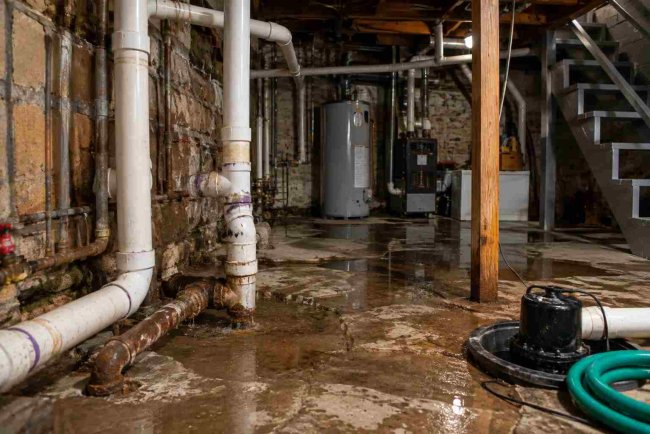
Basements can also make leaks difficult to identify because water may collect below the point where the pipe failed.
Another concern is plumbing located in exterior walls or unheated spaces. Baltimore's plumbing code specifically addresses protection of water and drain piping from freezing in exterior walls, attics, and other areas exposed to outdoor temperatures.
This is why finding water does not necessarily mean the visible location is where the plumbing problem started.
How Does a Professional Diagnose a Burst Pipe?
An experienced plumber normally begins by determining where water is entering the property and whether the main supply has been shut off.
The inspection may include:
- Checking the main water shutoff.
- Identifying whether the leak involves a supply line, fixture connection, water heater, or drain.
- Inspecting exposed plumbing.
- Looking for moisture around walls and ceilings.
- Checking vulnerable basement and exterior-wall areas.
- Determining whether freezing, corrosion, pressure, or physical damage caused the failure.
- Identifying the damaged section.
- Recommending repair or replacement.
If the pipe is inside a wall or ceiling, limited access may be necessary to reach the damaged section.
The goal should not simply be to stop today's leak. The plumber should also determine why the pipe failed so the homeowner can reduce the chance of another emergency.
How Long Does Emergency Pipe Repair Take?
The timeline depends heavily on where the pipe is located and how extensive the damage is.
A straightforward exposed-pipe repair may be completed relatively quickly once the plumber arrives and the correct materials are available.
A more complicated emergency can take longer if:
- The pipe is inside a wall
- Several sections have failed
- The plumbing is severely corroded
- Water has damaged surrounding materials
- Access requires removing drywall or flooring
- The main shutoff is defective
- A larger section of piping needs replacement
A plumber should explain the expected repair process after inspecting the property rather than promising an exact completion time before seeing the problem.
Water-damage cleanup can also continue after the plumbing repair is finished. Drying walls, floors, insulation, and other materials may require additional work.
How Much Does Emergency Plumbing Cost in Baltimore?
There is no reliable single price for every burst-pipe emergency.
The final cost can depend on:
- Location of the damaged pipe
- Pipe material
- Size of the damaged section
- Accessibility
- Labor required
- Emergency or after-hours service
- Number of fittings involved
- Whether additional plumbing is deteriorated
- Whether walls or ceilings must be opened
- Whether a larger repipe is recommended
- Water-damage cleanup requirements
- Permit or inspection requirements when applicable
A small exposed pipe repair is usually much simpler than replacing a concealed section behind finished walls.
Homeowners should ask the plumber for a clear explanation of what needs to be repaired, whether the price includes labor and materials, and whether additional work may be required after the plumbing is opened.
When Is Emergency Plumbing Necessary?
Not every plumbing problem requires a middle-of-the-night emergency call. A burst or actively leaking pressurized water pipe generally does.
Call an emergency plumber when:
- Water is actively pouring from a pipe
- The main water shutoff will not stop the leak
- Water is entering walls or ceilings
- A ceiling is sagging from water
- A large amount of water is accumulating in the basement
- A pipe has frozen and you suspect it has cracked
- Water is near electrical equipment
- A major water line has failed
- You cannot safely control the leak
If the issue is a minor faucet drip that can be safely contained, it may not require emergency service.
The key question is whether delaying repair could cause significant property damage or create a safety hazard.
What Happens If You Ignore a Burst Pipe?
Ignoring an active leak can make the problem much more expensive.
Water can damage:
- Drywall
- Wood framing
- Flooring
- Cabinets
- Insulation
- Electrical components
- Furniture
- Stored belongings
- Finished basements
Persistent moisture can also create conditions favorable to mold growth.
Structural materials may continue absorbing water even after the visible leak seems small.
For a rowhome, there may also be a risk that water travels through shared or adjacent areas, creating additional damage that is harder to trace.
The Baltimore City Property Maintenance Code states that plumbing defects such as damage, deterioration, improper installation, inadequate service, and related deficiencies must be corrected.
How Can You Prevent Burst Pipes in a Baltimore Rowhome?
Prevention starts before freezing weather arrives.
Insulate vulnerable pipes
Have exposed plumbing checked, particularly in exterior walls, basements, crawl spaces, attics, and other cold areas.
Keep the home adequately heated
Do not allow vulnerable areas to become extremely cold during winter trips or extended absences.
Remove outdoor hoses
Disconnect garden hoses before freezing weather and make sure outdoor fixtures are properly prepared for winter.
Know where your shutoff valve is
Every homeowner should know how to shut off the home's main water supply before an emergency happens.
Watch for small leaks
A small leak may be an early warning that a fitting or pipe is deteriorating.
Inspect older plumbing
If your rowhome has aging plumbing, ask a licensed plumber to evaluate the condition of accessible pipes and connections.
Protect exterior-wall plumbing
Baltimore code specifically requires plumbing exposed to outdoor temperatures to be protected from freezing.
What Should You Ask an Emergency Plumber Before Hiring Them?
When water is flooding your home, it is easy to choose the first company that answers the phone. Still, ask a few important questions.
Are you properly licensed for the work?
Baltimore's plumbing regulations require certain plumbing work to be performed by appropriately licensed professionals. The city code also identifies the role of a licensed master plumber for permitted work.
Do you handle emergency burst-pipe repairs?
Confirm that the company actually handles active leaks and pipe failures rather than only scheduled plumbing maintenance.
Can you explain what caused the failure?
A good plumber should look beyond the visible leak when possible.
What will the repair involve?
Ask whether the plumber expects to replace only the damaged section or recommends additional work because of corrosion, age, or related damage.
Will permits be required?
Permit requirements can depend on the nature of the work. Baltimore's code generally requires permits for plumbing work unless an exception applies, while certain emergency work may proceed before a permit is issued under specified conditions.
Do you provide an estimate before major work?
You should understand the expected scope and cost before approving substantial repairs.
People Also Ask About Emergency Plumbing in Baltimore
How quickly should I call a plumber after a pipe bursts?
Call as soon as you have shut off the water and made the area safe. The sooner the leak is controlled and repaired, the less opportunity there is for additional water damage.
What is the first thing to do when a pipe bursts?
Shut off the main water supply if you can do so safely. Then protect people and property, avoid electrical hazards, and contact an emergency plumber.
Can a frozen pipe burst after it thaws?
Yes. A pipe damaged by freezing may begin leaking when ice melts and water pressure returns. Inspect vulnerable areas carefully and have suspected damage professionally evaluated.
How do I know if a pipe is frozen?
Low or no water flow from a normally functioning faucet, frost on exposed plumbing, unusual pipe noises, and damp areas can indicate freezing or damage.
Should I turn off the water when I leave Baltimore during winter?
If you will be away for an extended period, consider having a plumber evaluate the appropriate winterization and shutoff strategy for your property. Keeping vulnerable areas heated and protecting exposed plumbing can also reduce risk.
Can a burst pipe cause basement flooding?
Yes. A failed supply pipe can release a large amount of water, particularly when the home's main supply remains pressurized.
Voice Search Questions Homeowners Ask
"What should I do if a pipe bursts in my Baltimore rowhome?"
Shut off the main water supply, stay away from electrical hazards, contain water if safe, and contact an emergency plumber.
"How do I stop a burst pipe from flooding my house?"
Turn off the main water supply immediately. Then remove valuables from the affected area and arrange professional repair.
"Why do Baltimore pipes burst in winter?"
Freezing temperatures can cause water inside vulnerable pipes to freeze and expand, increasing pressure and potentially damaging weakened sections.
"How much does it cost to repair a burst pipe in Baltimore?"
The price depends on the pipe location, material, accessibility, extent of damage, emergency timing, and whether additional plumbing or water-damage work is required.
Why Choose Plumber in Baltimore for a Plumbing Emergency?
When a pipe bursts, you need more than someone who can make the visible water disappear. You need a plumbing professional who can locate the failure, determine the likely cause, complete the repair properly, and help prevent the same problem from happening again.
Plumber in Baltimore serves Baltimore homeowners who need professional plumbing assistance, including urgent plumbing situations.
For a burst pipe, the best approach is simple: stop the water, protect your home, and get professional help before a manageable plumbing repair becomes a much larger restoration project.
If you are dealing with an active plumbing emergency in Baltimore, contact Plumber in Baltimore at 844-973-0400 to discuss the problem and arrange professional assistance.
Final Takeaway
A burst pipe should never be treated as a minor inconvenience. In a Baltimore rowhome, water can move quickly through walls, ceilings, floors, and basements, creating damage well beyond the original plumbing failure.
Know where your main shutoff is, protect vulnerable plumbing from freezing, pay attention to early warning signs, and act quickly when a pipe fails.
Most importantly, do not rely on a temporary patch when a pressurized pipe has already burst. A professional inspection can identify the damaged section, determine why it failed, and provide the appropriate repair.
What's Your Reaction?