Leaking Pipes in Highlandtown Baltimore Rowhomes Causes and Solutions
Learn the causes, warning signs, repair options, costs, and emergency steps for leaking pipes in Highlandtown Baltimore rowhomes.
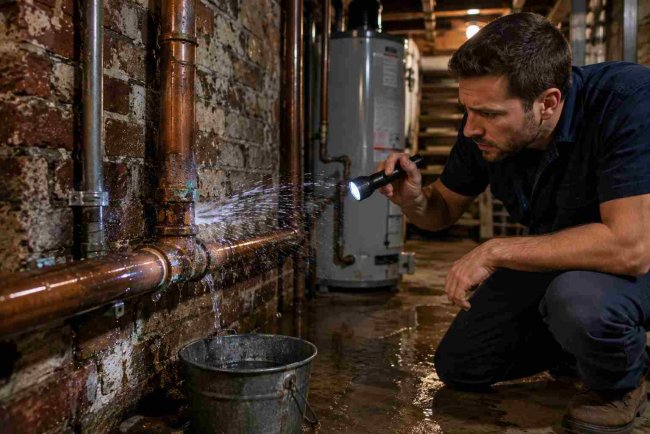
Leaking pipes in Highlandtown Baltimore rowhomes can start with something easy to overlook—a small damp spot beneath a sink, a faint dripping sound behind a wall, or a water stain on the ceiling. In a tightly built rowhome, however, a minor plumbing leak can become a much larger problem if it continues unnoticed.
Highlandtown has many older Baltimore rowhomes, and homes with aging plumbing systems can experience problems involving supply lines, drainpipes, shutoff valves, connections, and pipes hidden inside walls or floors. Renovations can also create plumbing issues when newer fixtures are connected to older piping.
A leaking pipe should not automatically be treated as a major emergency, but it should never be ignored. The right response depends on where the leak is located, how quickly water is escaping, whether electrical systems are nearby, and whether the water is damaging structural materials.
This guide explains why pipes leak in Highlandtown rowhomes, the warning signs to watch for, what you can safely do before a plumber arrives, how professional repairs work, typical timelines and cost factors, and when a leaking pipe requires emergency plumbing service.
Why Do Pipes Leak in Highlandtown Baltimore Rowhomes?
Several factors can contribute to leaking pipes. In older Baltimore rowhomes, age is often one part of the problem, but it is not always the only cause.
Common causes include:
- Aging or corroded pipes
- Loose or deteriorated pipe connections
- High water pressure
- Frozen pipes during severe winter weather
- Damaged supply lines
- Worn-out shutoff valves
- Drainpipe deterioration
- Poor previous repairs
- Movement or settling of the building
- Improperly installed plumbing fixtures
- Accidental damage during remodeling
Rowhomes can present additional challenges because plumbing components may run through shared or closely connected walls, floors, ceilings, and utility spaces. A leak that appears in one location may actually originate somewhere else.
For example, water appearing near a first-floor ceiling may come from a bathroom above it rather than from the visible ceiling area.
Warning Signs of a Hidden Plumbing Leak
Not every leaking pipe produces an obvious puddle. Hidden leaks can cause substantial damage before the homeowner realizes there is a plumbing problem.
Watch for:
- Brown, yellow, or dark water stains
- Bubbling or peeling paint
- Soft drywall or plaster
- Musty odors
- Mold or mildew growth
- Warped flooring
- Unexplained increases in the water bill
- Water sounds when fixtures are not being used
- Damp areas around cabinets
- Low or inconsistent water pressure
- Water collecting beneath appliances
- Repeatedly wet areas near walls or ceilings
A water meter that continues moving when every faucet and water-using appliance is turned off can also indicate a leak somewhere in the plumbing system.
If the evidence suggests water is escaping behind a wall or under a floor, finding the source quickly can help limit repair costs.
What Causes Pipes to Fail in Older Rowhomes?
Age-related deterioration deserves special attention in older properties. Plumbing materials do not last forever, and different pipe materials have different service lives.
Older plumbing may contain metal piping that gradually corrodes from the inside. Corrosion can reduce the pipe's effective opening, weaken its walls, or eventually create a hole.
Connections are another common failure point. A pipe itself may remain intact while a fitting, joint, valve, or threaded connection begins leaking.
Previous remodeling can also complicate matters. A bathroom or kitchen may have been updated several times over the years, leaving a combination of old and new plumbing components.
That is why a professional plumber should evaluate the surrounding plumbing rather than simply replacing the section that is visibly leaking.
Can a Small Pipe Leak Cause Major Damage?
Yes. The amount of damage depends on the leak's location, duration, water volume, and surrounding materials.
A slow leak inside a wall can continuously saturate drywall, insulation, wood framing, or flooring. Over time, this may contribute to staining, odors, mold growth, wood deterioration, and costly restoration work.
A pressurized supply pipe can be more serious because it may release water continuously until the supply is shut off.
A leaking drainpipe may behave differently. It might only release water when a sink, shower, toilet, or appliance is being used.
The important point is that the visible amount of water does not always indicate the full extent of the problem.
What Should You Do Before the Plumber Arrives?
If you discover an active pipe leak, take practical steps to limit the damage.
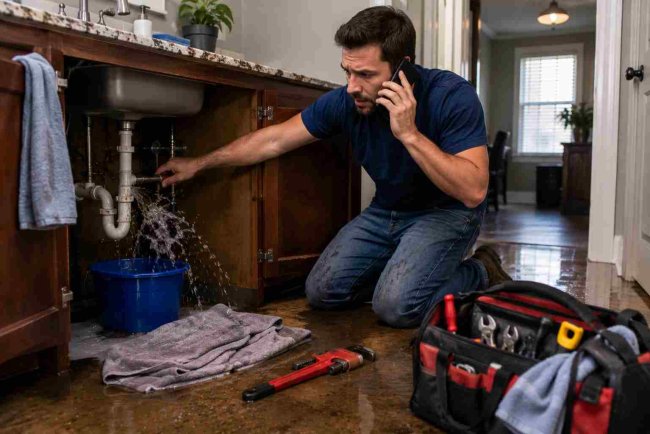
First, stop using the plumbing fixture associated with the leak. If water is actively escaping from a supply pipe and you know which shutoff valve controls it, close that valve.
If the leak cannot be isolated, turn off the home's main water supply if you can do so safely.
Then:
- Move furniture and belongings away from the water.
- Place a container beneath an accessible leak.
- Wipe up standing water where practical.
- Take photographs of visible damage.
- Avoid opening walls unless absolutely necessary.
- Do not use electrical equipment in standing water.
- Contact a qualified plumber for diagnosis and repair.
Do not rely on tape, household sealants, or temporary patches as a permanent repair. They may slow a minor leak but cannot correct a damaged pipe or failed connection.
How Do Professional Plumbers Find a Hidden Pipe Leak?
The first step is usually a visual and plumbing-system inspection. The plumber will ask when the leak occurs, which fixtures are nearby, and whether there have been previous plumbing repairs.
The plumber may then inspect:
- Exposed pipes and fittings
- Shutoff valves
- Fixtures and supply lines
- Nearby ceilings and walls
- Water pressure
- Drain connections
- Areas showing moisture or staining
Depending on the situation, additional diagnostic methods may be appropriate. The objective is to identify the actual source rather than simply repair the location where water happens to appear.
This distinction matters in rowhomes because water can travel along framing, pipes, ceilings, and other surfaces before becoming visible.
How Are Leaking Pipes Repaired?
The repair depends on the type and condition of the plumbing.
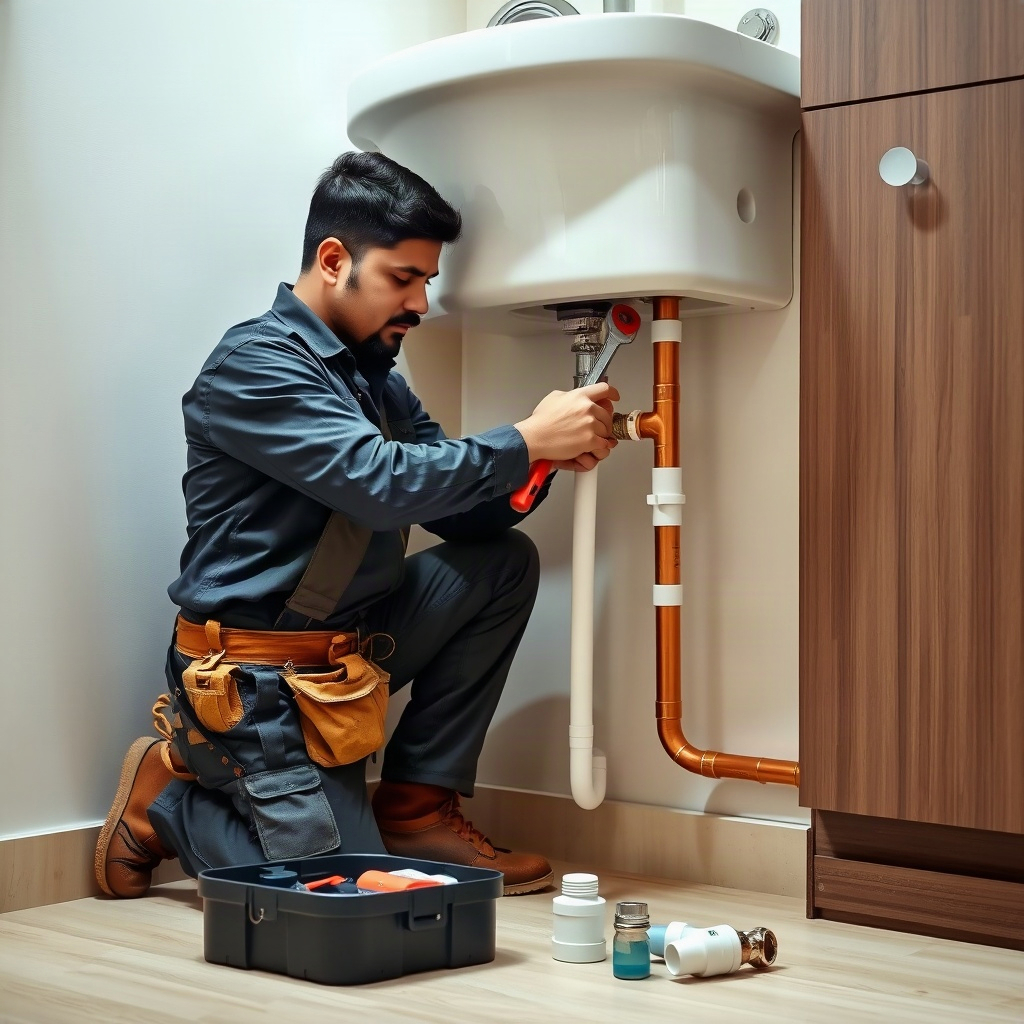
For a minor connection leak, tightening or replacing a fitting, valve, or connection may solve the problem.
A damaged section of pipe may need to be removed and replaced. If the surrounding piping is badly deteriorated, replacing only one small section may not be the best long-term solution.
Professional repair generally involves:
- Identifying the source of the leak.
- Shutting off the appropriate water supply.
- Assessing the pipe and surrounding plumbing.
- Removing damaged components when necessary.
- Installing compatible replacement materials.
- Testing the repaired section.
- Checking for additional leaks.
- Explaining any recommended follow-up work.
A trustworthy plumber should explain whether the repair is a localized fix or whether the condition of the surrounding plumbing suggests a larger replacement is appropriate.
How Long Does Leaking Pipe Repair Take?
The timeline varies significantly.
An accessible leak under a sink or at an exposed connection may sometimes be repaired during a single service visit. A damaged pipe inside a wall can take longer because the plumber must locate the leak, access the pipe, complete the repair, and test the system.
Typical factors affecting the timeline include:
- Leak location
- Pipe material
- Accessibility
- Extent of damage
- Availability of replacement parts
- Whether water damage has occurred
- Whether additional plumbing problems are discovered
If drywall, flooring, cabinetry, or other building materials must be removed and restored, the overall project may extend beyond the plumbing repair itself.
How Much Does Leaking Pipe Repair Cost in Baltimore?
There is no single price for leaking pipe repair because the work can range from a simple valve or fitting replacement to a difficult concealed-pipe repair.
The final cost may depend on:
- Diagnosis and troubleshooting time
- Labor
- Pipe material
- Replacement parts
- Accessibility
- Emergency or after-hours service
- Amount of pipe requiring replacement
- Wall or ceiling access
- Water damage
- Required restoration work
A straightforward exposed connection generally costs less to repair than a pipe hidden behind finished walls.
Homeowners should be cautious about choosing a plumber based solely on the lowest initial quote. A very low price may not include necessary diagnostic work, access, replacement materials, or follow-up repairs.
Ask what is included before approving the work.
What Happens If You Ignore a Leaking Pipe?
Ignoring a leak can turn a plumbing repair into a broader property problem.
Continued moisture can damage drywall, ceilings, flooring, cabinets, insulation, and wooden components. Persistent dampness can also create unpleasant odors and encourage mold or mildew growth.
There is another concern: the original leak may worsen unexpectedly. A slow drip can become a larger leak after the pipe or connection deteriorates further.
For that reason, even a small leak deserves attention, particularly when it is located behind a wall, above a finished ceiling, or near electrical components.
When Is a Leaking Pipe a Plumbing Emergency?
Call for emergency plumbing assistance when water is rapidly flooding the property, a major supply line has failed, or you cannot stop the flow of water.
Emergency situations can include:
- A burst pressurized pipe
- Rapid flooding
- Water entering electrical areas
- A major ceiling leak
- A leak that cannot be isolated
- Significant water damage developing quickly
- Loss of water caused by a serious plumbing failure
If water is near electrical outlets, wiring, panels, or appliances, do not take unnecessary risks. Avoid standing in water while attempting to operate electrical equipment. Leave the affected area and seek professional assistance when necessary.
People Also Ask About Leaking Pipes
How do I know if a pipe is leaking behind a wall?
Unexplained stains, damp drywall, peeling paint, musty smells, unusual water sounds, and unexplained water usage can indicate a hidden leak. A plumber can determine whether the moisture is coming from plumbing or another source.
Are old Baltimore rowhome pipes more likely to leak?
Older plumbing systems can be more vulnerable to corrosion, worn connections, outdated materials, and previous repair issues. However, the condition of the individual plumbing system matters more than the home's age alone.
Can I repair a leaking pipe myself?
A homeowner may be able to shut off a fixture valve or temporarily contain a minor accessible leak. Permanent pipe repairs are better handled by a qualified plumber, especially when the pipe is concealed or pressurized.
How quickly should a leaking pipe be repaired?
An active leak should be addressed as soon as practical. A rapidly flowing leak or one causing immediate property damage may require emergency service.
Voice Search Questions Homeowners Ask
What should I do if a pipe bursts in my Baltimore rowhome?
Turn off the main water supply if it is safe to do so, move belongings away from the water, avoid electrical hazards, and contact a professional plumber immediately.
Why is water coming through my ceiling?
Water through a ceiling may originate from plumbing above, a leaking fixture, a drainpipe, a supply line, or another source. The visible location is not necessarily the source of the leak.
How much does it cost to fix a leaking pipe?
The price depends on the leak's location, pipe condition, accessibility, materials, labor, and whether additional water damage needs attention. A plumber should inspect the problem before providing an accurate repair price.
Is a dripping pipe an emergency?
Not every drip requires emergency service, but it should be repaired promptly. If the leak is rapidly worsening, cannot be stopped, or is causing flooding or electrical hazards, emergency plumbing service is appropriate.
How to Choose a Plumber for a Highlandtown Rowhome
Choosing the right plumber is especially important when the leak is hidden or the plumbing system is older.
Look for a company that:
- Clearly explains the problem
- Provides transparent pricing information
- Has experience with residential plumbing
- Can diagnose hidden leaks
- Explains repair and replacement options
- Communicates realistic timelines
- Handles emergency plumbing when needed
- Uses appropriate replacement materials
- Stands behind its workmanship
Do not be afraid to ask questions. A professional should be willing to explain what failed, why it failed, what needs to be repaired, and whether other plumbing components should be inspected.
How to Prevent Future Pipe Leaks
Regular attention can reduce the likelihood of unexpected plumbing failures.
Inspect visible pipes and connections periodically for corrosion, mineral buildup, moisture, or staining. Replace worn supply hoses and aging valves when appropriate.
During cold weather, protect vulnerable plumbing from freezing temperatures. Know where your main water shutoff is located and make sure household members know how to operate it.
It is also wise to address small leaks quickly. A dripping valve or damp connection is easier to deal with before it becomes a concealed leak or pipe failure.
If an older rowhome has recurring plumbing problems, consider having the entire accessible plumbing system evaluated rather than repeatedly repairing individual leaks.
When to Contact Plumber in Baltimore
If you are dealing with leaking pipes in Highlandtown Baltimore rowhomes, getting an accurate diagnosis is the first step toward preventing additional damage.
Plumber in Baltimore provides plumbing assistance for homeowners who need help identifying and repairing leaks, including problems involving accessible plumbing components and more difficult concealed leaks.
Before calling, note where you first noticed the water, when the leak occurs, whether it gets worse when a fixture is used, and whether you have noticed staining or unusual water usage. These details can help the plumber begin the diagnostic process more efficiently.
For plumbing assistance in Baltimore, contact Plumber in Baltimore at 844-973-0400 or visit Plumber in Baltimore.
Final Takeaway
Leaking pipes in Highlandtown Baltimore rowhomes should never be dismissed simply because the visible leak appears small. Older plumbing, deteriorated connections, hidden pipes, high water pressure, and previous repairs can all contribute to leaks.
The safest approach is to stop the water when possible, protect the property, identify the source, and have the plumbing professionally evaluated. Prompt repairs can help prevent a relatively manageable plumbing problem from becoming extensive water damage.
Whether the issue is a dripping valve, a leaking supply line, or water appearing from inside a wall, understanding the cause and repair options helps you make a better decision before hiring a plumber.
What's Your Reaction?