Emergency Plumbing Problems in Canton Baltimore What to Do First
Learn what to do during emergency plumbing problems in Canton Baltimore, including shutoff steps, warning signs, repair times, costs, and prevention tips.
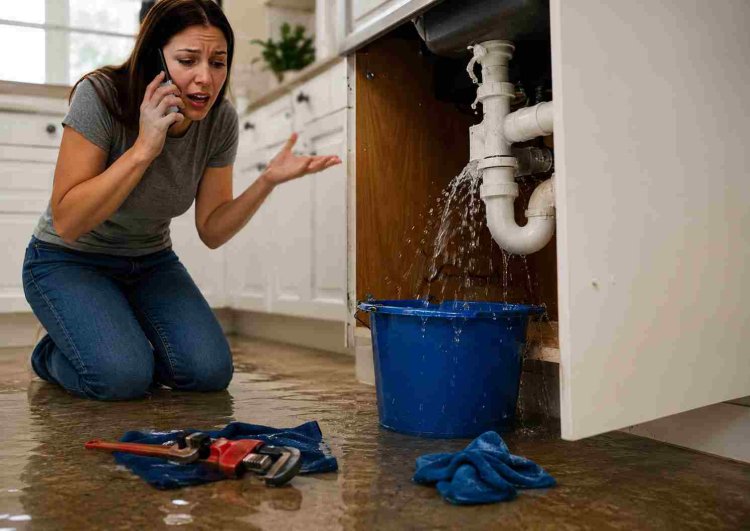
Emergency plumbing problems in Canton, Baltimore can happen with little warning. A burst pipe may send water across a basement floor, a backed-up sewer line can make several drains unusable, or a failed water heater can suddenly leave a home without hot water. In a business, even a relatively small plumbing failure can interrupt operations and create safety concerns.
The first few minutes matter. Knowing what to shut off, what not to touch, and when to call an emergency plumber can help reduce water damage and prevent a minor plumbing problem from becoming an expensive repair.
Homes and businesses in Canton can experience plumbing emergencies for many reasons, including aging pipes, clogged drains, frozen or damaged plumbing, sewer problems, leaking fixtures, failed water heaters, and excessive pressure inside the plumbing system. Some problems develop gradually and provide warning signs. Others occur suddenly.
This guide explains what to do first, which plumbing problems usually require immediate professional attention, what temporary measures are reasonably safe, how repairs are performed, how long they may take, and what can influence the final cost.
What Counts as a Plumbing Emergency in Canton Baltimore?
A plumbing emergency is generally a problem that can quickly cause property damage, create a health or safety concern, or leave an essential plumbing system unusable.
Common examples include:
- Burst or severely leaking pipes
- Water flooding from a fixture or appliance
- A sewer backup
- Sewage coming into the home or business
- No water caused by a major plumbing failure
- A water heater that is leaking heavily
- A clogged main sewer line affecting multiple drains
- A gas-related concern involving a gas water heater
- A toilet overflow that cannot be stopped
- A broken water supply line
- Water leaking near electrical equipment
Not every dripping faucet requires an emergency call. However, a leak that is rapidly getting worse or cannot be controlled should be treated differently from an ordinary maintenance issue.
What Should You Do First During a Plumbing Emergency?
The first priority is to control the water source if it is safe to do so.
For a serious leak, locate the home's main water shutoff valve and turn it clockwise until the water stops. If the emergency involves a toilet, sink, or appliance with its own shutoff valve, you may be able to stop only that fixture.
Next, protect people and property. Move furniture, electronics, documents, and other valuables away from standing water when it can be done safely.
If water is close to electrical outlets, appliances, wiring, or electrical panels, do not walk through the water or touch electrical equipment. Leave the area and contact the appropriate emergency professionals.
Take photographs or videos of the affected area for documentation. Then contact a qualified emergency plumber and explain exactly what happened, what has been shut off, and whether water or sewage is still spreading.
Which Emergency Plumbing Problems Are Most Common?
Burst and Severely Leaking Pipes
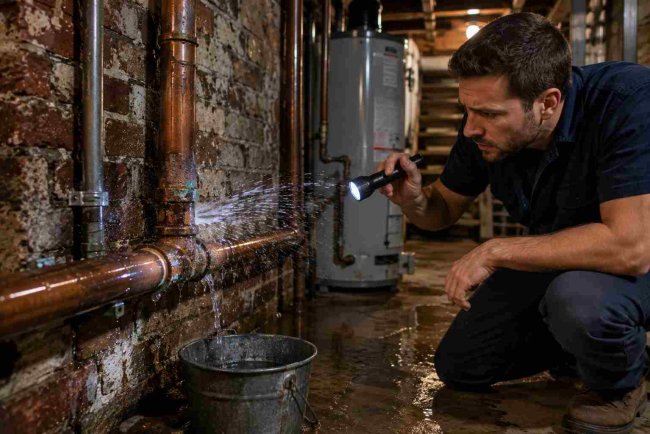
A damaged pipe can release a large amount of water in a short period. Supply pipes are particularly concerning because they can continue leaking under pressure until the water supply is shut off.
Warning signs include:
- Water appearing unexpectedly on floors or ceilings
- Sudden loss of water pressure
- Wet drywall
- Water stains
- Hissing or running-water sounds behind walls
- A rapidly increasing puddle
Do not rely on towels or buckets if the leak is continuing. Those measures only manage the symptom while water may continue entering the building.
Sewer Backups
A sewer backup is one of the plumbing problems that should receive prompt attention. It may occur because of a blocked sewer line, damaged piping, tree-root intrusion, excessive buildup, or another drainage problem.
If sewage is backing up through a floor drain, toilet, tub, or sink, avoid contact with it. Sewage can contain harmful contaminants.
If several drains become slow or back up at the same time, the problem may be farther down the drainage system rather than inside one individual fixture.
Major Drain and Toilet Backups
A single clogged toilet is usually not an emergency if the water can be shut off and contained. It becomes more urgent when the toilet continues overflowing, multiple fixtures are affected, or wastewater is entering the property.
Avoid repeatedly flushing a blocked toilet. Shut off the toilet's supply valve and call a plumber if the blockage cannot be safely cleared.
Water Heater Leaks
A leaking water heater can range from a minor connection problem to a serious tank failure.
Signs include water around the base of the tank, rust, unusual noises, reduced hot-water supply, or water leaking from pipes connected to the heater.
Do not attempt to dismantle the water heater yourself. Depending on the type of system, professional attention may be required to safely isolate water, gas, electricity, or other components.
Why Do Emergency Plumbing Problems Happen?
Emergency plumbing failures usually have an underlying cause rather than happening completely at random.
Common causes include:
Age and deterioration: Older pipes, valves, fittings, and water heaters can eventually deteriorate.
Corrosion: Certain plumbing materials can weaken over time and develop leaks.
Clogs: Grease, hair, sediment, paper products, and foreign objects can restrict drainage.
High water pressure: Excessive pressure can place additional stress on plumbing components.
Temperature changes: Cold weather can increase the risk of freezing and pipe damage.
Tree roots: Roots can enter or interfere with underground sewer lines.
Poor previous repairs: Improperly installed or repaired plumbing can fail prematurely.
Wear and tear: Fixtures, shutoff valves, hoses, and seals eventually need replacement.
Identifying the underlying cause is important because simply repairing the visible leak may not prevent another emergency.
What Temporary Fixes Can You Safely Try?
Temporary measures should focus on preventing additional damage until professional help arrives.
For a leaking fixture, close the local shutoff valve if accessible. For a major leak, use the main water shutoff if you can reach it safely.
For an overflowing toilet, turn off the toilet's supply valve. Do not keep flushing.
For a minor pipe leak, a container or towels may help control water temporarily, but this is not a permanent repair.
For a drain backup, stop using affected sinks, tubs, showers, washing machines, and other fixtures until the cause is identified.
Avoid aggressive chemical drain cleaners when a serious blockage is suspected. They may not resolve a main-line problem and can create additional hazards for anyone who later works on the plumbing.
When Should You Call an Emergency Plumber?
Call an emergency plumber when the problem cannot be safely controlled or when delaying the repair could cause significant damage.
You should consider immediate professional help when:
- Water cannot be shut off
- A pipe has burst
- Sewage is backing up
- Multiple drains are affected
- Water is entering walls, ceilings, or floors
- A water heater is leaking heavily
- The plumbing problem is causing major flooding
- You have no water because of a suspected plumbing failure
- A commercial property cannot operate normally because of a plumbing failure
If there is a suspected gas leak, leave the area and contact the appropriate emergency service. Do not attempt to diagnose or repair a gas-related emergency yourself.
How Does a Professional Emergency Plumbing Repair Work?
A professional plumber normally begins by identifying the immediate source of the problem and making the situation safe.
The process may include:
- Emergency assessment: The plumber examines visible symptoms and asks when the problem began.
- Water isolation: The affected water supply may be shut off.
- Diagnosis: The plumber determines whether the issue involves a fixture, supply line, drain, sewer line, water heater, or another component.
- Damage assessment: Surrounding areas are checked for signs of water damage.
- Repair recommendation: The plumber explains the necessary repair and available options.
- Repair or replacement: Damaged components are repaired or replaced as appropriate.
- Testing: The plumbing system is tested to confirm that the repair is functioning properly.
- Cleanup guidance: The customer is advised about remaining water, sanitation, or restoration concerns.
For complicated sewer or concealed-pipe problems, additional diagnostic equipment may be necessary.
How Long Does an Emergency Plumbing Repair Take?
The timeline depends on the cause and location of the problem.
A straightforward shutoff valve or exposed pipe repair may be completed relatively quickly. A major sewer blockage, concealed pipe leak, water heater replacement, or damaged underground line can take considerably longer.
In general:
- Minor emergency repairs may take about 1–2 hours.
- More involved repairs may require several hours.
- Sewer or underground plumbing problems may require additional diagnostic or excavation work.
- Water-damaged areas may require separate restoration after the plumbing repair.
A plumber should be able to provide a more useful time estimate after inspecting the problem.
How Much Does Emergency Plumbing Cost in Canton Baltimore?
Emergency plumbing prices vary considerably. There is no reliable single price for every emergency.
Important cost factors include:
- Type of plumbing failure
- Time of service
- Labor required
- Parts and replacement materials
- Accessibility of the damaged plumbing
- Whether walls, floors, or ceilings must be opened
- Sewer or drain-cleaning requirements
- Emergency or after-hours service
- Whether specialized diagnostic equipment is needed
- Whether additional restoration is required
Before approving significant work, ask the plumber to explain the recommended repair, expected labor, materials, and any applicable emergency-service charges.
A very low initial quote is not necessarily the best value if it excludes important work or uses temporary materials that fail again.
What Happens If You Ignore a Plumbing Emergency?
Delaying an emergency plumbing repair can make the eventual problem more expensive and disruptive.
A small leak can damage drywall, flooring, cabinets, insulation, and other building materials. Persistent moisture can also contribute to mold growth.
A sewer backup can spread contaminated wastewater and create sanitation concerns. A damaged water heater may continue leaking and cause additional property damage.
Drain problems can also become progressively worse. If multiple fixtures are backing up, continuing to use the plumbing may push more wastewater into the building.
The longer water remains uncontrolled, the greater the potential for secondary damage.
People Also Ask About Emergency Plumbing in Canton Baltimore
How do I know if a leak is an emergency?
A leak is more likely to be an emergency when water is flowing continuously, spreading quickly, entering walls or ceilings, or threatening electrical equipment or valuable property.
Should I shut off my home's main water supply?
If a major water leak is occurring and you can safely access the main shutoff, turning off the water can help limit damage while you wait for professional assistance.
Is a clogged toilet always a plumbing emergency?
No. A single controlled clog may be a routine plumbing issue. An overflowing toilet, repeated backup, or blockage affecting multiple fixtures deserves more urgent attention.
Can I use drain cleaner for a serious blockage?
It is generally better to avoid relying on chemical drain cleaners for serious or recurring blockages. A professional can determine whether the problem is inside the fixture, branch drain, or main sewer line.
How quickly should a sewer backup be repaired?
A sewer backup should be addressed promptly because wastewater can cause property damage and sanitation concerns. Stop using affected fixtures and contact a qualified plumber.
Voice Search Questions Homeowners Ask
When facing an emergency, people often use their phones to ask questions such as:
“What should I do if my pipe bursts?”
Shut off the water if it is safe, protect property, avoid electrical hazards, and contact an emergency plumber.
“Who do I call for a sewer backup in Canton Baltimore?”
Look for a qualified local plumbing company experienced with sewer and emergency repairs.
“Can a plumber fix a water heater leak today?”
That depends on the cause, availability, parts, and whether the water heater needs repair or replacement.
“What should I do before the plumber arrives?”
Shut off the affected water supply when safe, stop using affected fixtures, document the damage, and keep people away from unsafe areas.
How to Choose the Right Emergency Plumber
During an emergency, speed is important, but choosing a qualified professional still matters.
Look for a plumbing company that:
- Clearly serves your area
- Handles emergency plumbing problems
- Explains the cause of the problem
- Provides a clear repair recommendation
- Communicates pricing before major work
- Has experience with residential and commercial plumbing
- Uses appropriate repair methods and materials
- Treats your property respectfully
- Can explain what caused the failure and how to prevent recurrence
Do not be afraid to ask questions. A trustworthy plumber should be willing to explain what went wrong and why a particular repair is recommended.
How Can You Prevent Future Plumbing Emergencies?
Regular maintenance can reduce the likelihood of unexpected plumbing failures.
Inspect visible pipes, supply hoses, shutoff valves, and water heater connections periodically. Do not ignore slow drains, recurring clogs, low water pressure, unexplained water stains, or unusual plumbing noises.
Avoid flushing items that do not belong in the toilet. Keep grease and cooking oils out of drains. Address recurring backups rather than repeatedly treating the symptoms.
Know where your main water shutoff valve is located before an emergency happens. Make sure household members or employees know how to access it.
For older properties, a professional plumbing inspection can help identify deteriorating components before they fail.
When Should You Contact Plumber in Baltimore?
Emergency plumbing problems in Canton Baltimore should not be treated as ordinary inconveniences when water, sewage, or a major plumbing failure is threatening your property.
If you have a serious leak, burst pipe, sewer backup, overflowing fixture, failed water heater, or another plumbing problem that cannot be safely controlled, professional assistance can help identify the cause and reduce further damage.
Plumber in Baltimore provides plumbing assistance in Baltimore and can be reached at 844-973-0400.
What's Your Reaction?