Diagnosing and Resolving Hydraulic Water Hammer in Baltimore Homes
Learn how to diagnose and resolve hydraulic water hammer in Baltimore homes. Understand pressure shock waves, air chambers, and pipe stabilization.

Understanding Hydraulic Water Hammer and Pipe Banging
Hydraulic water hammer occurs when a fast-flowing column of water is abruptly halted by a closing valve, generating a violent pressure shock wave that rattles pipes against framing and structural supports. This acoustic and physical distress manifests as a sharp bang, thud, or shudder throughout the domestic supply network immediately after a washing machine solenoid, toilet fill valve, or quick-closing faucet shuts off. Mechanically, the kinetic energy of the moving fluid has nowhere to go, converting instantly into a localized pressure spike that can exceed normal static line pressure by several times, straining pipe walls, joints, and fittings.
Establishing diagnostic boundaries is critical for effective resolution. The issue may stem from a localized fixture where a specific quick-closing valve lacks proper cushioning, or it can indicate a system-wide pressure surge originating at the main water service entry. In Baltimore homes, particularly historic properties with mixed piping materials, understanding whether the shock wave is isolated to a single supply branch or propagating through the entire framing skeleton dictates the correct mitigation strategy.
Overlooked Diagnostic Clues and Mechanical Mechanics
Homeowners often mistake pipe banging for loose pipe hangers, but the root cause frequently lies in waterlogged air chambers or fluctuating dynamic pressure gradients. Standard plumbing systems incorporate vertical dead-end pipe extensions near fixtures to act as air cushions. Over time, water absorbs the trapped air within these risers, neutralizing their dampening effect and allowing metal-on-metal hydraulic impacts.
Furthermore, high municipal static water pressure—frequently exceeding 80 PSI in various Baltimore neighborhoods—exacerbates the violence of water hammer. When dynamic flow meets a closed barrier under excessive baseline pressure, the kinetic velocity magnifies the resulting shock wave. Additionally, thermal expansion in closed-loop systems equipped with backflow preventers or pressure-reducing valves (PRVs) can elevate static pressures overnight, setting the stage for severe morning pipe shock when fixtures first open and close.
Safe Homeowner Triage vs. Dangerous DIY Boundaries
Safely diagnosing and managing water hammer involves non-invasive checks and knowing when professional intervention is required:
- Locate and Monitor the Main: Identify the main interior shutoff valve and observe the pressure gauge on the system if a thermal expansion tank is installed.
- Drain the System: To recharge waterlogged air chambers, turn off the main water supply, open the lowest and highest fixtures in the home to drain the lines completely, and then reopen the main valve to trap fresh air in the risers.
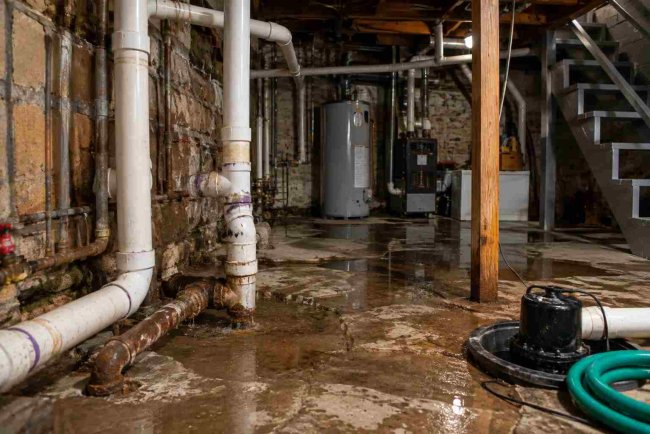
- Inspect Strapping: Check accessible basement ceiling joists and crawlspace runs to ensure copper or PEX supply lines are securely fastened with cushioned pipe straps rather than touching bare wood or masonry.
- Avoid Unlicensed Adjustments: Do not attempt to adjust uncalibrated main pressure-reducing valves or cut into pressurized supply lines without proper isolation tooling.
Baltimore Architectural and Infrastructure Realities
Baltimore's unique architectural landscape presents distinct plumbing challenges regarding water hammer. Classic brick rowhouses feature tight service chases and shared party walls where vintage galvanized iron or aging copper pipes run directly against structural brickwork. When hydraulic shock waves travel through these older networks, the lack of resilient insulation or expansion space causes pipes to strike masonry or lathe-and-plaster walls loudly.
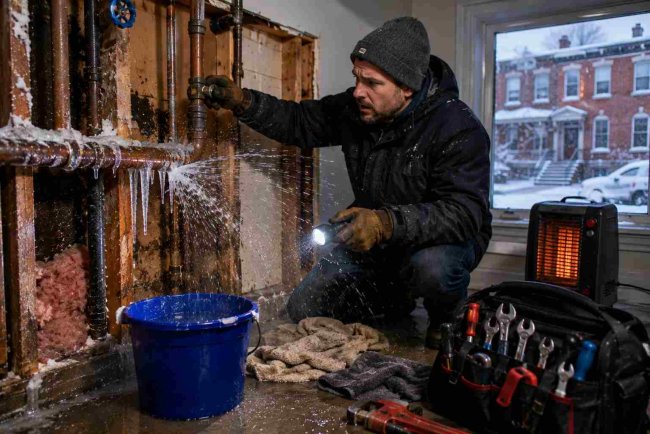
Additionally, older Baltimore properties often experience fluctuating municipal supply pressures from aging city water mains. The combination of rigid, decades-old pipe connections and high baseline PSI creates an environment where unchecked water hammer can fatigue threaded joints, crack vintage fittings, and eventually lead to catastrophic pinhole leaks behind finished walls.
Repair Options and Cost Drivers
Resolving water hammer ranges from simple maintenance procedures to hardware installations, with costs driven by accessibility and system scope:
| Repair Option | Primary Application | Cost & Labor Drivers |
|---|---|---|
| Air Chamber Recharge | Waterlogged vertical risers | Zero material cost; labor-intensive draining of entire home plumbing network. |
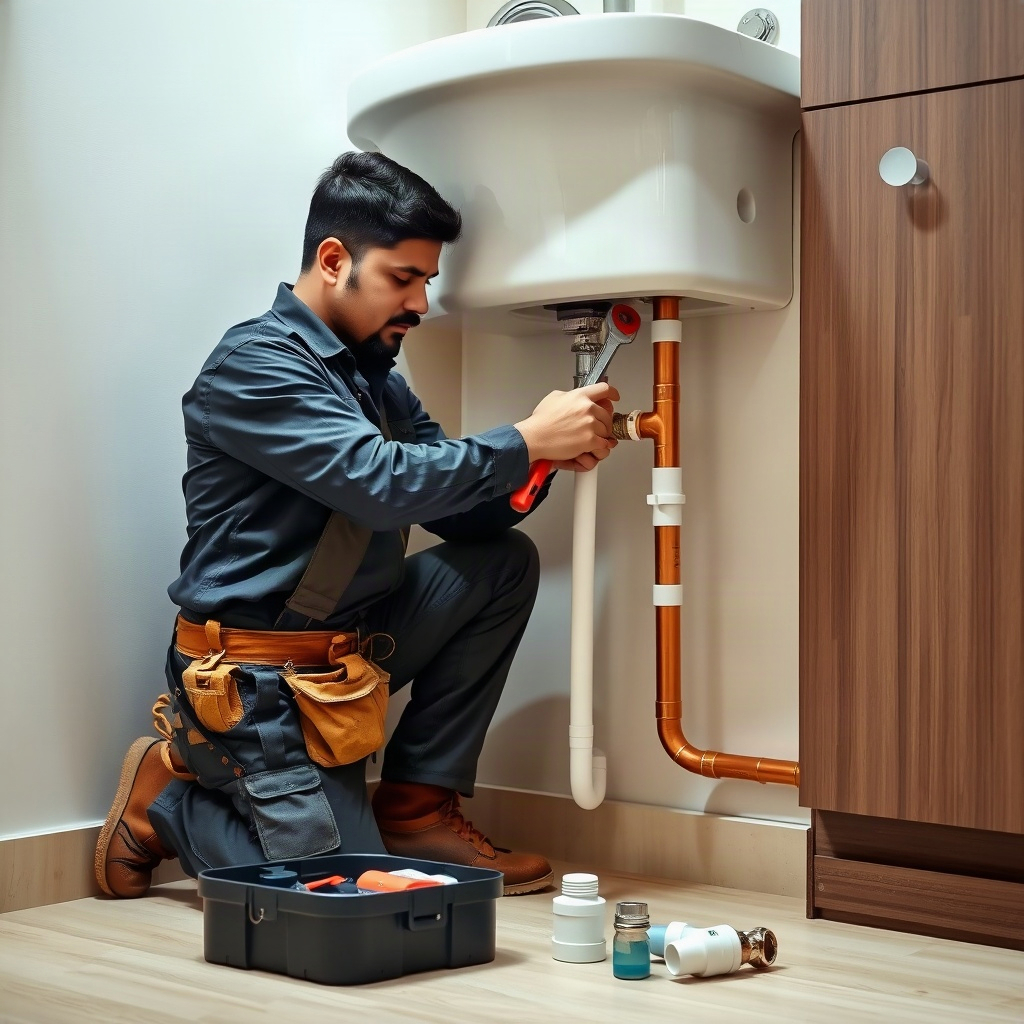
| Mechanical Arrestor Installation | Washing machines, dishwashers, quick-closing fixtures | Moderate material cost; requires soldering or press-fit fittings in accessible utility areas. |
| PRV Replacement & Expansion Tank | System-wide high pressure and thermal expansion | Higher material cost; requires pressure testing, calibration, and potential main line modifications. |
| Pipe Restraping & Insulation | Vibrating runs hitting framing | Labor-intensive opening of access panels in finished ceilings or walls. |
Frequently Asked Questions
1. What is the primary root cause of water hammer in a residential plumbing system?
Water hammer is caused by the sudden stoppage of moving water, which creates a hydraulic shock wave that rattles pipes against structural framing.
2. What are the early warning symptoms before pipes start banging loudly?
Early symptoms include a brief shudder or vibration in the walls immediately after turning off a faucet or appliance.
3. How can I perform a safe DIY check to test for waterlogged air chambers?
You can drain the entire plumbing system by shutting off the main water valve and opening all taps to clear trapped water from air risers.
4. What common DIY mistake worsens water hammer damage?
Ignoring persistent pipe shock or overtightening pipe straps without addressing the underlying pressure surge can cause joint fatigue and leaks.
5. Which material failure indicators point to long-term water hammer damage?
Leaking soldered joints, cracked threaded fittings, and bulging flexible supply lines indicate chronic hydraulic stress.
6. What are the primary cost and labor factors for professional water hammer repair?
Primary cost drivers include accessibility to internal supply lines, the need for main pressure-reducing valve replacement, and drywall access requirements.
7. When should I choose mechanical water arrestors over recharging air chambers?
Mechanical piston arrestors provide permanent relief for high-velocity appliances like washing machines where traditional air chambers quickly fail.
8. How do Baltimore's historic rowhouses complicate water hammer diagnostics?
Tight service chases and pipes running directly against rigid brick or plaster amplify acoustic banging and restrict access for retrofitting arrestors.
9. What preventative maintenance routines reduce the risk of hydraulic shock?
Annually testing static water pressure, inspecting expansion tanks, and checking pipe strapping in accessible utility areas helps prevent shock issues.
10. When is emergency professional intervention strictly required for plumbing noise?
Immediate professional help is needed if a loud bang is accompanied by a sudden drop in water pressure, active spraying, or a newly formed water leak.
What's Your Reaction?