Understanding Baltimore Water Heater Sediment Buildup & Scale
Learn how mineral scale and sediment accumulation damage water heaters in Baltimore, and discover professional diagnostic and maintenance methods.

Diagnosing Water Heater Sediment and Mineral Scale in Baltimore Homes
Water heater sediment accumulation occurs when dissolved minerals—primarily calcium and magnesium carbonates naturally present in hard water—precipitate out of solution under thermal stress and settle at the bottom of the storage tank. When these minerals form a solid thermal barrier between the burner or lower electric element and the water volume, the system suffers severe efficiency loss, accelerated tank corrosion, and destructive localized boiling known as thermal shock. In the Baltimore metropolitan area, where municipal water supplies carry moderate to high mineral hardness, this chemical precipitation happens continuously, making routine thermal maintenance vital for residential plumbing infrastructure.
Understanding the mechanical failure mode requires examining thermodynamics and fluid dynamics inside the steel vessel. As incoming cold water fills the bottom of the tank, it carries suspended and dissolved solids. When the thermostat calls for heat, the lowest strata of water absorb thermal energy directly through the steel tank floor or gas flue tube. Because minerals have a much lower thermal conductivity than water, accumulating sediment acts as an insulating blanket. The burner or electric element must superheat the metal floor to transfer energy through the sediment layer, resulting in extreme metal fatigue, popping or rumbling noises as trapped water boils violently beneath sediment packs, and eventual micro-fractures in the glass-liner lining.
Establishing clear diagnostic boundaries helps differentiate between a failing water heater and a simple maintenance issue. Sediment buildup is strictly an internal tank phenomenon localized to the bottom of the vessel, whereas faulty anode rods, leaking pressure relief valves, and failed thermostats involve distinct chemical and electrical components. Recognizing early physical symptoms prevents catastrophic tank ruptures and water damage.
Overlooked Trade Secrets and Hidden Diagnostic Clues
Experienced plumbing diagnosticians look beyond basic symptoms to uncover hidden system stress factors that generic homeowner guides miss. For instance, the characteristic popping or rumbling sound often attributed simply to "old age" is actually steam bubbles escaping through dense mineral beds—a direct indicator of localized overheating that can warp the tank floor within months if left unaddressed.
Another frequently misunderstood phenomenon is the interaction between sediment accumulation and the sacrificial anode rod. As sediment builds up and traps moisture and minerals against the lower tank wall, galvanic corrosion accelerates. Homeowners often notice discolored or metallic-tasting hot water long before the tank actually leaks, signaling that the sacrificial anode has been completely consumed due to the aggressive electrochemical environment created by the sediment bed.
Furthermore, dynamic pressure fluctuations and thermal expansion closed-loop systems in Baltimore homes can exacerbate sediment damage. When a closed system lacks a functional thermal expansion tank, rising water pressure during heating cycles pushes against mineral-crusted tank walls, accelerating structural fatigue at the welded seams.
| Diagnostic Indicator | Sediment & Scale Buildup | Element / Burner Failure | Anode Rod Exhaustion |
|---|---|---|---|
| Primary Sound | Rumbling, popping, kettling | Silent or continuous humming | None related to sound |
| Water Temperature | Runs out faster, lukewarm | Completely cold or unheated | Normal temperature range |
| Water Quality / Color | Discolored, rusty, gritty | Clear water | Reddish-brown rust tint, metallic taste |
| Tank Exterior Condition | Hotter lower half, localized stress | Normal thermal distribution | Potential weeping at fittings |
Safe Homeowner Triage vs. Dangerous DIY Boundaries
Homeowners can safely perform basic diagnostic checks and non-invasive preventive routines, but certain high-risk maintenance tasks require professional intervention to prevent severe property damage or personal injury.
- Safe Check — Water Temperature Audit: Monitor the time it takes for the water heater to recover after heavy usage. A sudden drop in hot water duration often signals an insulating layer of scale.
- Safe Check — Visual Leak Inspection: Regularly inspect the base of the tank, the T&P (temperature and pressure) relief valve discharge pipe, and surrounding drywall for moisture tracking.
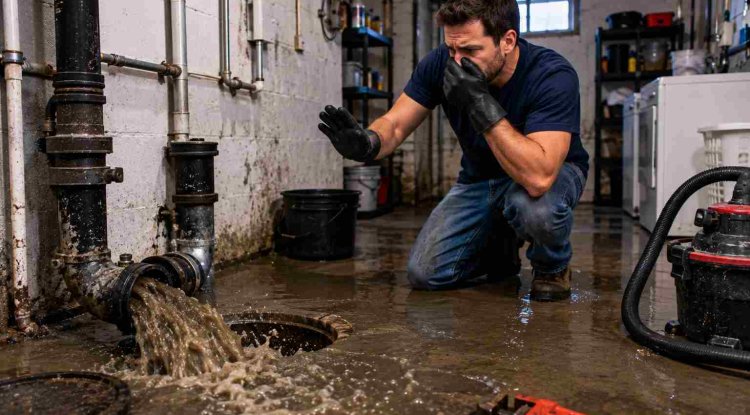
- Dangerous DIY Warning — Draining Compacted Sediment: Attempting to flush a neglected tank with heavily compacted, calcified sediment can clog the drain valve completely. If the plastic or brass gate valve shears off under torque, full city water pressure will flood the mechanical room unchecked.
- Dangerous DIY Warning — Electrical and Gas Hazards: Never service internal gas control valves, thermocouple assemblies, or 240-volt electrical heating elements without completely isolating the fuel or power source first.
Baltimore Architectural and Infrastructure Realities
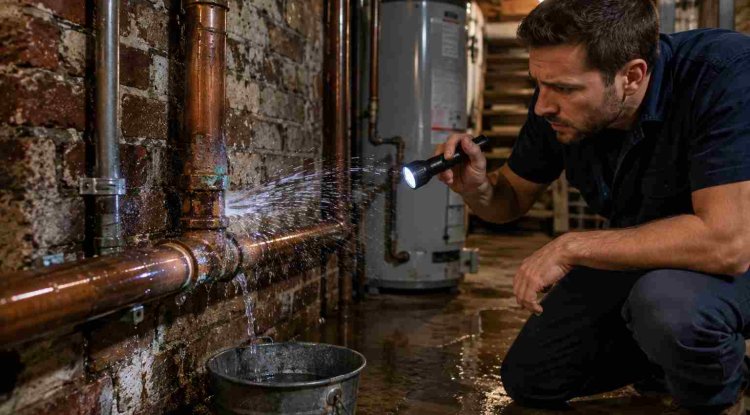
Baltimore's diverse housing stock presents unique challenges for water heater maintenance and longevity. Historic rowhouses in neighborhoods like Canton, Federal Hill, and Bolton Hill often feature tight basement utility spaces, narrow access doorways, and aging galvanized or cast-iron water distribution piping. These spatial constraints mean that replacing a failed, sediment-damaged water heater often requires precise maneuvering and custom fitting modifications.
Additionally, municipal water treatment characteristics across the Baltimore region introduce varying levels of hardness and sediment particulate into residential plumbing lines. Older neighborhoods connected to aging municipal water mains frequently experience higher turbidity levels following heavy rainstorms or main repairs, introducing fine silt directly into domestic water heaters where it bakes onto the bottom of the tank, compounding natural mineral scale formation.
Repair Options and Transparent Cost Drivers
When addressing heavy sediment accumulation and scale damage, property owners must evaluate repair versus replacement options based on the structural integrity of the vessel.
- Chemical Descaling and Flushing: Effective only when the tank is structurally sound and sediment has not yet fused to the glass lining or caused metal fatigue. Requires specialized descaling agents and circulation pumps.
- Tank Component Overhaul: Replacing compromised anode rods, thermostats, or heating elements. This is only viable if the underlying tank floor has not been compromised by localized boiling stress.
- Full Tank Replacement: The standard intervention when heavy sediment has caused chronic kettling, micro-fracturing, or weeping at the base of the tank.
Primary cost drivers for water heater replacement or heavy sediment remediation include access complexity (such as low-clearance crawlspaces or tight rowhouse utility closets), local code compliance upgrades (like installing thermal expansion tanks and seismic straps), municipal permit fees, and proper environmental disposal of the degraded unit.
Frequently Asked Questions
1. What causes water heater sediment to accumulate so quickly in Baltimore?
Baltimore's municipal water supply contains dissolved minerals like calcium and magnesium. When water is heated, these minerals transition from a dissolved state to solid particles that settle at the bottom of the storage tank.
2. What are the early warning signs of excessive sediment buildup?
Early indicators include rumbling or popping noises during heating cycles, a noticeable reduction in hot water duration, and slightly discolored or metallic-tasting hot water.
3. Can I test for sediment buildup without draining the tank?
You can perform a thermal check by feeling the lower half of the tank exterior. If the bottom feels significantly hotter than the middle section, or if recovery times have lengthened drastically, sediment is likely insulating the burner.
4. What is the biggest mistake homeowners make when trying to clear sediment?
Attempting to force open a stuck or corroded plastic drain valve without having a backup shutoff ready often results in a snapped valve stem, causing an uncontrolled water discharge into the basement.
5. How does sediment lead to premature tank failure?
Sediment creates a thermal barrier that forces the burner to overheat the steel tank floor, causing metal fatigue, localized boiling, and micro-cracks in the glass lining.
6. What factors influence the cost of professional water heater flushing or replacement?
Cost factors include the volume of sediment compaction, physical access constraints in tight rowhouse basements, the need for code-compliant thermal expansion tanks, and local disposal fees.
7. When should a sediment-damaged water heater be replaced rather than repaired?
If the tank exhibits chronic kettling noise paired with external weeping, rust stains at the base, or an age exceeding 10 to 12 years, structural replacement is safer than attempting a flush.
8. How do Baltimore's historic rowhouse configurations impact water heater maintenance?
Tight service chases, low basement ceilings, and older vintage piping materials make clearance difficult, requiring careful coordination during maintenance and replacement procedures.
9. How often should a water heater be flushed in a hard water region?
In regions with moderate to high mineral hardness like Baltimore, annual flushing and anode rod inspection are recommended to prevent severe scale accumulation.
10. When is professional emergency intervention strictly required?
Immediate professional intervention is necessary if the tank begins actively leaking from the outer steel shell, if gas odors are detected near the appliance, or if electrical components begin smoking or sparking.
What's Your Reaction?