Diagnosing & Resolving Hydraulic Water Hammer | Baltimore Plumber
Learn how hydraulic water hammer occurs, safe diagnostic steps for homeowners, and professional repair methods for noisy Baltimore plumbing systems.

Understanding Hydraulic Water Hammer and System Mechanics
Hydraulic water hammer manifests as a loud bang, thud, or rapid machine-gun rattle in your home's water supply lines immediately after a quick-closing valve—such as a washing machine solenoid, dishwasher, or single-lever faucet—shuts off abruptly. This violent acoustic and physical disturbance is caused by a sudden change in momentum: moving water, which carries significant kinetic energy, slams against the closed valve face, creating an instantaneous pressure spike. This pressure wave, or hydraulic shock wave, travels backward through the plumbing network at the speed of sound, violently rattling loose pipes against framing members, floor joists, and plaster walls.
To understand the mechanics, recognize that water is practically incompressible. When a fast-closing valve halts thousands of gallons per hour of flowing mass in a fraction of a second, the kinetic energy must dissipate immediately. In modern systems, vertical capped air chambers (standpipes) or mechanical piston-style water hammer arrestors absorb this shock wave by compressing a sealed pocket of air or nitrogen. When these air chambers become waterlogged—a common occurrence over time as air dissolves into the pressurized water supply—the cushioning effect disappears, turning your rigid copper or PEX pipes into literal striking arms against the building structure.
Establishing diagnostic boundaries helps differentiate localized fixture shock from main service pressure issues. If only the washing machine causes a bang, the issue is typically isolated to that supply branch. However, if multiple fixtures throughout the house produce a shuddering sound upon closure, the problem likely stems from a waterlogged main air cushion, a failing pressure-reducing valve (PRV), or dangerously high municipal supply pressure entering the structure.
Overlooked Trade Secrets and Hidden Diagnostic Clues
Diagnosing water hammer requires looking beyond the immediate noise source, as pressure waves travel considerable distances through rigid piping networks. Here are crucial trade secrets for tracking down the root cause:
- Acoustic Trickery: The loudest banging noise rarely occurs at the exact point of the failing arrestor. Sound travels rapidly through metal pipes, meaning a rattling noise beneath a second-floor bathroom may actually originate from an unanchored supply line in the basement or utility room.
- Waterlogged Air Chambers: Older homes often feature vertical capped pipe extensions designed to trap air cushions. Over months and years, the water absorbs this trapped air. Homeowners frequently assume the pipes are loose, but the true mechanical failure is the absence of compressible air volume.
- Static Pressure vs. Dynamic Flow: High municipal static water pressure (exceeding 80 PSI) dramatically exacerbates water hammer severity. A pressure gauge attached to an outdoor sillcock may read a deceptive 100 PSI, indicating a failed or missing pressure-reducing valve that turns every closed valve into a severe hydraulic event.
- Thermal Expansion Interaction: Closed-loop systems equipped with backflow preventers or thermal expansion tanks can experience compounding pressure spikes when water heaters cycle, heightening the baseline energy of the system and worsening water hammer impacts.
- Unsecured Framing Runs: Pipes tightly strapped without dampening isolation pads transfer minor hydraulic pulses directly into drywall, plaster, and floor joists, amplifying a minor pressure shift into a disruptive structural rattle.
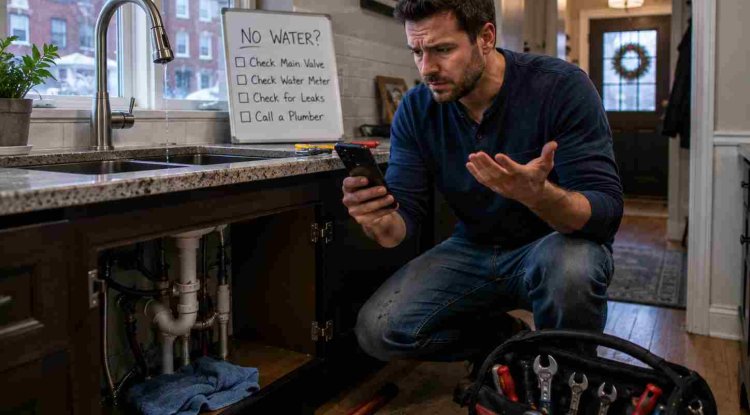
- Locate and Test the Main Shutoff: Know where the primary water shutoff valve is located to quickly isolate the system if a pipe joint begins leaking under repeated mechanical stress.
- Perform a System Drain-Down: To recharge waterlogged air chambers, shut off the main water supply, open the highest fixtures in the home (like a second-story shower), and open the lowest fixtures (like a basement laundry sink or outdoor spigot) to completely drain the piping network. Once drained, close all fixtures and reopen the main supply slowly. This traps fresh air pockets inside vintage standpipes.
- Check Municipal Pressure: Screw a cheap test pressure gauge onto an exterior hose bibb while all indoor fixtures are off. If the reading exceeds 80 PSI, a primary pressure-reducing valve replacement is required.
- Inspect Accessible Strapping: Look inside unfinished utility rooms or crawlspaces to identify loose copper or PEX supply lines slamming against joists. Cushioning these lines with rubber isolators can reduce noise transmission.
Safe Homeowner Triage vs. Dangerous DIY Boundaries
Before calling a professional or attempting repairs, homeowners can execute several safe diagnostic and preliminary mitigation steps:
Explicit Safety Warnings: Never attempt to cut into pressurized supply lines or unthread high-pressure fittings without completely isolating and draining the system. Avoid using improvised chemical solutions or unapproved mechanical clamps on high-pressure supply pipes, as these can rupture unexpectedly and cause catastrophic indoor flooding.
Baltimore Architectural and Infrastructure Realities
Baltimore’s unique housing stock presents specific challenges when addressing hydraulic water hammer:
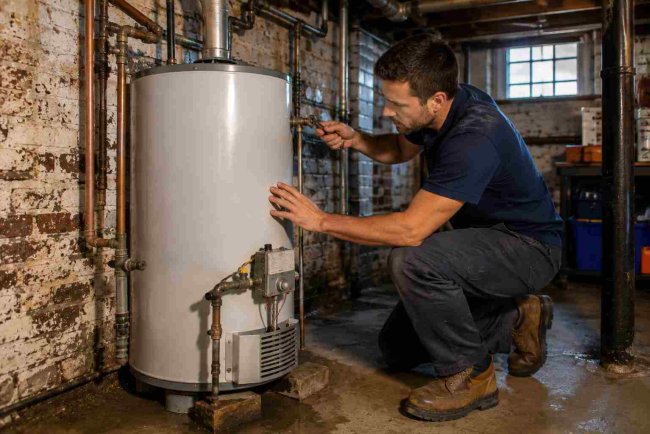
Classic Baltimore brick rowhouses feature exceptionally tight service chases and shared party walls where piping runs are deeply embedded in lathe-and-plaster or brick masonry. Because these historic spaces lack clearance, retrofitting modern mechanical water hammer arrestors often requires opening small access panels or strategic drywall cutouts near high-demand appliances like washing machines and refrigerator ice-maker lines.
Furthermore, older Baltimore neighborhoods frequently experience fluctuating municipal water delivery pressures. As aging cast-iron city mains are repaired or upgraded, neighborhood PSI levels can shift dramatically. Homes lacking functional pressure-reducing valves bear the brunt of these city-side pressure surges, which rapidly destroy vintage plumbing fixtures, loosen soldered joints, and trigger severe water hammer across domestic water lines.
Repair Options and Transparent Cost Drivers
Mitigating water hammer ranges from simple maintenance procedures to permanent mechanical retrofits. The following table contrasts repair strategies and their operational complexity:
| Repair Strategy | Operational Mechanism | Primary Cost Drivers |
|---|---|---|
| System Drain & Air Recharge | Emptying the piping network to restore trapped air cushions in vintage standpipes. | Labor time; no material costs required if standpipes are functional. |
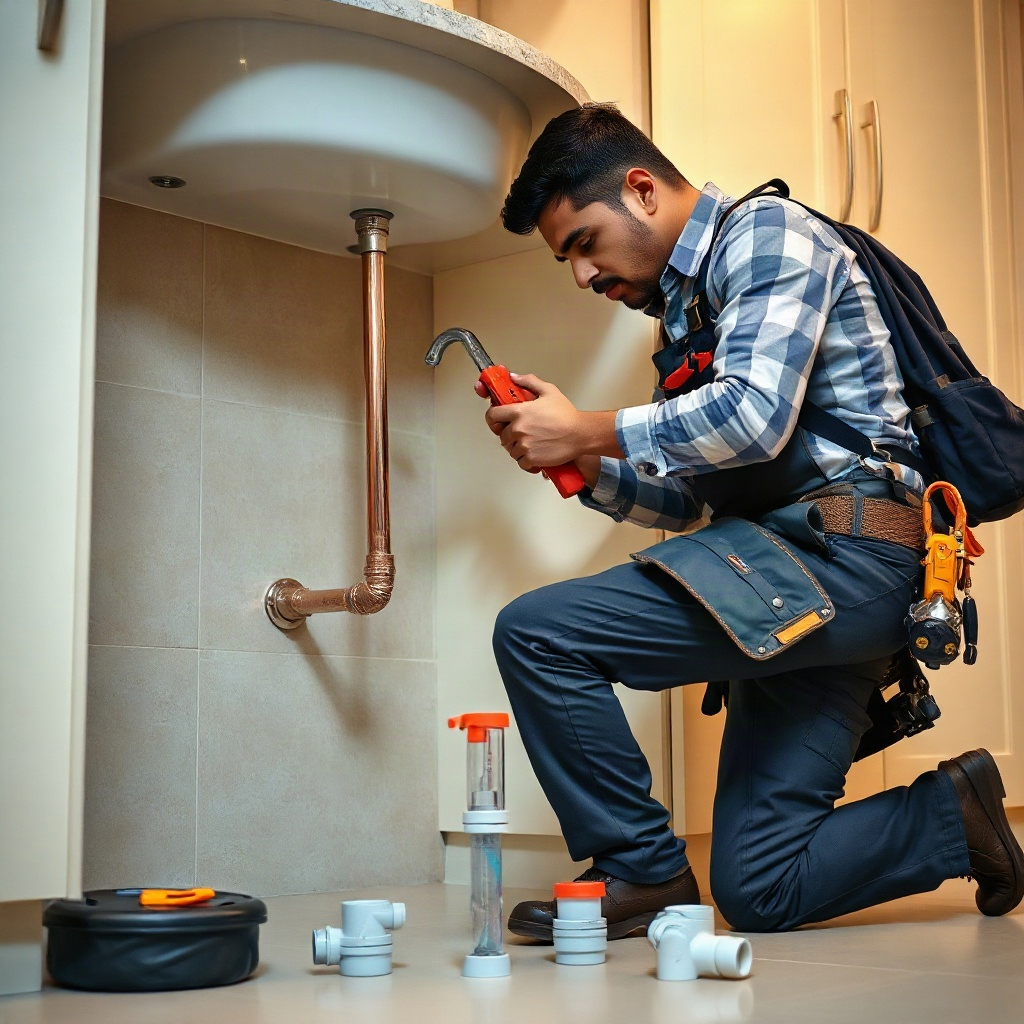
| Piston Arrestor Installation | Inserting sealed mechanical arrestor tees near quick-closing valves (washers, sinks). | Accessibility of supply lines; drywall or cabinet cutout requirements. |
| Pressure-Reducing Valve (PRV) Replacement | Installing or replacing the main regulating valve to cap incoming PSI below 60–75 PSI. | Location complexity (crawls/tight utility chases); main shutoff reliability. |
| Pipe Anchoring & Isolation | Securing loose runs and adding rubber cushioning clamps to stop vibration transfer. | Extent of exposed piping vs. finished walls requiring restoration. |
Frequently Asked Questions
1. What is the primary root cause of a sudden water hammer in a residential plumbing system?
The primary root cause is the sudden deceleration of moving water when a fast-closing valve shuts off, creating a high-pressure shock wave that rattles unsecured or un-cushioned pipes.
2. What are the early warning symptoms before water hammer causes physical pipe damage?
Early warning signs include a single dull thud or a rapid vibrating rattle immediately after turning off a faucet, flushing a toilet, or completing a washing machine cycle.
3. Are there safe, non-invasive DIY checks I can perform to test for water hammer?
Yes, you can check municipal static water pressure with a gauge at an outdoor spigot and perform a system drain-down to determine if air chambers are simply waterlogged.
4. What common homeowner mistakes worsen hydraulic shock damage?
Ignoring repetitive banging noises, failing to lower excessively high municipal water pressure, and overtightening loose pipe straps without adding rubber isolation dampeners can worsen the issue.
5. Which material failure indicators signal that water hammer is compromising my plumbing?
Weeping soldered copper joints, cracked valve bodies, leaking toilet fill valves, and loosening pipe hanger brackets indicate that shock waves are actively straining material integrity.
6. What primary factors influence the cost and labor required to resolve water hammer?
Key cost factors include the accessibility of supply lines, the necessity of cutting into finished drywall for arrestor placement, and whether a failing main pressure-reducing valve must be replaced.
7. How do I decide between draining old standpipes versus installing modern mechanical arrestors?
Draining old standpipes offers a temporary fix, but if waterlogging recurs within weeks, installing permanent piston-style mechanical water hammer arrestors is the definitive solution.
8. How do Baltimore's historic rowhouses complicate water hammer diagnosis?
Tight service chases, embedded masonry piping, and lack of accessible wall cavities mean that installing modern arrestors requires precision placement and strategic access planning.
9. What preventative maintenance routines keep water hammer from returning?
Annually testing household water pressure, inspecting PRV performance, and ensuring that appliance supply lines incorporate built-in or retrofitted arrestors prevents recurrence.
10. When is emergency professional intervention strictly required for a water hammer issue?
Professional intervention is mandatory if a water hammer is accompanied by continuous pipe movement that threatens to rupture a joint, or if a main pressure-reducing valve fails completely and pushes domestic pressure past safe limits.
What's Your Reaction?