Diagnosing and Resolving Hydraulic Water Hammer in Plumbing
Learn how to diagnose and resolve hydraulic water hammer in your plumbing system with expert mechanical failure analysis and prevention steps.
Understanding Hydraulic Water Hammer and System Mechanics
Hydraulic water hammer occurs when a fast-flowing column of water is abruptly halted, creating a violent pressure wave that surges backward through the plumbing system and causes pipes to rattle, bang, or shudder against structural framing. When a quick-closing valve—such as a solenoid valve in a washing machine, an automatic dishwasher, or a rapidly turned-off single-lever faucet—stops water flow instantly, the kinetic energy of the moving fluid must go somewhere. This sudden deceleration converts momentum into a high-pressure shock wave, mathematically known as Joukowsky pressure, which travels through the pipe network at the speed of sound. This pressure spike can reach several times the normal working pressure of the system, stressing pipe joints, loosening fittings, and fatiguing valve components over time.
Establishing clear diagnostic boundaries helps isolate the source of the shock wave. A water hammer is typically fixture-specific or branch-specific, manifesting immediately after a specific valve shuts closed. This differs from thermal expansion noise, which sounds like ticking or pinging as hot water supply pipes expand and rub against joist holes, or municipal pressure surges, which cause steady vibrations across multiple unrelated fixtures. In older piping configurations, air chambers installed behind walls are common, but these vertical pipe stubs frequently fail. Over time, the trapped air becomes absorbed by the water under pressure, causing the air cushion to waterlog and leaving the pipe completely filled with liquid, which neutralizes its dampening capability.
Overlooked Trade Secrets and Hidden Diagnostic Clues
Diagnosing hydraulic shock requires looking past the audible symptom to find the true structural cause. One of the most common oversights is assuming that pipe banging originates right where the noise is heard. Because acoustic shock waves travel efficiently through rigid metal and rigid plastic framing, a washing machine valve on the basement level can cause a loud bang in a second-floor bathroom wall. Furthermore, static pressure versus dynamic flow rate plays a major role; a home with static water pressure exceeding 80 PSI creates higher water velocities, which exponentially increases the destructive kinetic energy converted during a sudden valve closure.
Another hidden factor involves strap and support integrity. Plumbers frequently find that pipes are tightly anchored at some points but left unclipped inside wall cavities. When water hammer occurs, these unsupported spans flex dynamically against wooden studs, amplifying a minor pressure wave into a loud acoustic disturbance. Additionally, seasonal temperature shifts in Maryland can alter supply pressures and pipe elasticity, making winter months—when municipal water mains are colder and denser—a peak period for noticeable water hammer events.
| Diagnostic Indicator | Thermal Expansion Noise | Hydraulic Water Hammer |
|---|---|---|
| Primary Trigger | Water heater cycling or hot water flowing | Abrupt valve closure (solenoid or quick-turn faucet) |
| Acoustic Profile | Slow ticking, pinging, or scraping sounds | Loud, sharp bang, thud, or violent shudder |
| Timing | Occurs during or shortly after temperature changes | Occurs instantaneously the exact moment a valve stops |
| Effective Solution | Insulating pipe penetrations and lowering water heater temp | Installing mechanical water arrestors and reducing PSI |
Safe Homeowner Triage vs. Dangerous DIY Boundaries
Homeowners can safely perform several initial diagnostic checks before deciding whether professional intervention is necessary. Start by checking the main water supply pressure using an affordable screw-on pressure gauge attached to an exterior hose bibb or laundry sink connection. If static pressure reads above 80 PSI, the entire system is at risk, and a failing or absent pressure-reducing valve (PRV) is likely the primary contributor. Homeowners can also inspect accessible piping in the basement, crawlspaces, or utility rooms to identify unsecured supply lines that lack proper cushioning or isolation clamps against floor joists.
However, strict safety boundaries must be observed. Homeowners should never attempt to cut into pressurized copper or PEX supply lines without shutting off the main indoor water valve and draining the system entirely. Attempting to install inline mechanical water arrestors without proper soldering, press-fitting, or threading knowledge risks catastrophic joint failure and property flooding. Furthermore, never adjust municipal curb stop meters or tamper with gas supply lines associated with combination tankless water heating systems that may be tied into complex recirculation loops.
Baltimore Architectural and Infrastructure Realities
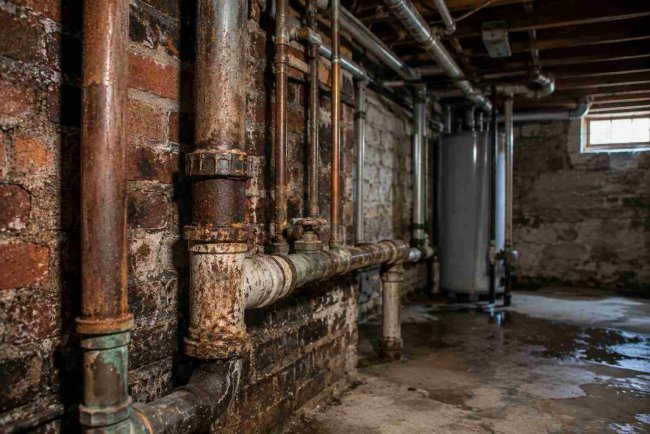
Properties across Baltimore face unique structural and municipal infrastructure challenges that exacerbate hydraulic shock. Classic Baltimore brick rowhouses feature narrow, rigid service chases where vintage galvanized steel or rigid copper lines run tightly against party walls without modern isolation foam. When water hammer occurs in these shared or compact layouts, the acoustic energy echoes directly through structural brick and plaster lath, making a minor pipe shudder sound like a hammer strike.
Furthermore, older Baltimore neighborhoods often experience high municipal supply pressures to maintain flow across undulating topography. Combined with aging infrastructure, fluctuating municipal pressure can push standard residential plumbing past safe operating limits. Many historic properties also feature a mix of original galvanized supply pipes and modern copper or PEX retrofits; dissimilar metal connections and calcified interior diameters create turbulent flow dynamics that increase velocity spikes and worsen mechanical water hammer symptoms.
Repair Options and Transparent Cost Drivers
Resolving water hammer ranges from simple adjustments to comprehensive piping system modifications, depending on the severity and root cause of the pressure shock. Standard remediation options include:
- Recharging or Clearing Waterlogged Air Chambers: Draining the entire home plumbing system to re-introduce air into vertical pipe stubs (often a temporary fix for older systems).
- Installing Mechanical Piston-Type Water Hammer Arrestors: Adding dedicated shock absorbers near high-impact fixtures like washing machines, dishwashers, and quick-closing mixing valves.
- Adjusting or Replacing the Pressure-Reducing Valve (PRV): Lowering incoming municipal water pressure to a safe operating range between 50 and 60 PSI.
- Securing Loose Supply Lines: Adding specialized cushioned pipe clamps and isolators along accessible joist runs to eliminate structural vibration.
Total project costs are driven by several transparent factors: accessibility of the plumbing runs (crawlspace vs. finished drywall), the number of high-impact fixtures requiring arrestors, whether a failed PRV must be replaced, and the overall condition of existing supply piping materials. Homes with older, brittle piping may require additional time and care to safely integrate modern pressure dampening devices without damaging legacy joints.
Frequently Asked Questions
1. What is the fundamental root cause of hydraulic water hammer?
Water hammer is caused by the sudden stoppage of moving water within a pipe. When a valve closes instantly, the kinetic energy of the moving liquid converts into a high-pressure shock wave that travels backward through the plumbing network.
2. What are the earliest warning symptoms of developing water hammer?
Early symptoms include a single dull thud or a series of rapid bangs immediately after turning off a washing machine, dishwasher, or quick-closing faucet. You may also notice minor pipe vibrations along exposed basement ceiling joists.
3. How can I safely check my home's water pressure without special tools?
You cannot accurately measure water pressure without a gauge, but you can check for high-pressure indicators by observing how aggressively water blasts out of fixtures or listening for continuous vibrating noises when multiple faucets are open simultaneously.
4. What common homeowner mistake worsens water hammer damage?
A common mistake is ignoring the issue until a fitting fails. Allowing persistent hydraulic shock to go unchecked fatigues solder joints, loosens threaded connections, and eventually causes pinhole leaks or catastrophic joint separation inside walls.
5. How do I know if my home's water hammer arrestors have failed?
If your plumbing previously ran quietly and suddenly develops sharp banging noises when appliances shut off, existing mechanical arrestors may have seized internally, or older air chambers have become completely waterlogged.
6. What primary factors influence the cost of resolving water hammer?
Cost drivers include the total number of problem fixtures, the accessibility of supply lines behind walls or in crawlspaces, the need to replace a failing main pressure-reducing valve, and the overall labor time required to secure loose piping.
7. When should water hammer be repaired versus replacing the supply lines?
Water hammer is typically repaired by installing localized arrestors and adjusting system pressure. Full supply line replacement is only necessary if the persistent pressure shock has severely compromised degraded, old galvanized steel or corroded copper piping throughout the home.
8. Why are older Baltimore rowhouses especially prone to loud pipe banging?
Historic rowhouses feature rigid plumbing runs packed tightly into party walls and floor joists without modern cushioning. High municipal water pressures combined with uninsulated, aging pipes allow acoustic shock waves to resonate loudly through structural framing.
9. What preventative maintenance routine prevents water hammer recurrence?
Annually test your home's static water pressure with a gauge, inspect accessible pipe brackets and cushion clamps for wear, and periodically check mechanical water hammer arrestors for smooth piston movement.
10. When is emergency professional intervention strictly required for noisy pipes?
You should call a licensed plumber immediately if pipe banging is accompanied by active water leaks, damp drywall, sudden drops in water flow, or if the shaking is violent enough to visibly displace supply pipes from their structural supports.
What's Your Reaction?