Diagnosing & Fixing Low Water Pressure in Baltimore Homes
Learn how to diagnose and fix low water pressure in Baltimore homes. Understand pressure regulators, mineral scale, and historical plumbing challenges.

Understanding Low Water Pressure in Your Home
Low water pressure is typically caused by a restricted supply line, a failing pressure reducing valve (PRV), localized mineral scale accumulation, or municipal supply fluctuations. When water flow drops drastically across multiple fixtures simultaneously, the issue usually originates near the main supply entry point rather than an individual faucet aerator. Understanding how your home's water delivery system operates helps isolate whether the restriction is occurring at the municipal meter, the main building shutoff valve, or within aging interior distribution piping.
Water travels from city mains into your property under high pressure, which is then regulated down to a safe working range—typically between 50 and 70 PSI—using a brass or bronze pressure reducing valve. If this mechanical diaphragm fails or becomes clogged with urban sediment, downstream flow chokes off. Similarly, mineral-heavy water causes calcium and magnesium ions to precipitate out of solution, gradually narrowing the interior diameter of water supply pipes until flow volume drops to a trickle.
Diagnostic Boundaries: Fixture vs. Branch vs. Main
Isolating the root cause requires systematic diagnostic testing. If only a single bathroom sink suffers from weak flow, the problem is localized to that fixture's aerator, supply lines, or cartridge. However, if an entire floor or the entire house experiences simultaneous pressure loss when running multiple fixtures, the restriction is systemic. Static pressure tests using a gauge attached to an outdoor hose bibb reveal whether the static pressure meets standard municipal supply parameters before demand is introduced.
Overlooked Trade Secrets & Hidden Diagnostic Clues
Experienced plumbing diagnosticians look past the obvious symptoms to find hidden system failures. Water behavior inside aging distribution networks often leaves subtle clues that standard troubleshooting steps miss.
- Static Pressure vs. Dynamic Flow Rate: A pressure gauge might show a healthy 60 PSI when no water is running (static pressure). However, the moment a shower or laundry valve opens, dynamic pressure plummets because severely corroded or constricted pipes cannot pass the required volume (GPM) of water.
- Partially Closed Main Valves: Gate valves and older ball valves on the main supply line can slip off their internal tracks or fail internally, leaving the gate partially lowered even when the exterior handle appears fully open.
- Galvanic Incompatibility: Homes combining vintage galvanized steel piping with newer copper or brass segments without dielectric unions suffer from accelerated internal rust bridging, choking off water flow at the transition joints.
- Sediment Migration: Municipal water main repairs or heavy seasonal hydrant flushing can dislodge mineral flakes, sweeping them directly into fixture cartridges, shutoff valve screens, and pressure regulators.
- Baltimore Infrastructure Sediment: Older municipal cast-iron supply networks frequently introduce fine sand, rust particles, and grit into home services, clogging fine-mesh components rapidly.
Safe Homeowner Triage vs. Dangerous DIY Boundaries
Before calling a professional, homeowners can safely perform specific diagnostic steps while avoiding high-risk interventions that can cause catastrophic flooding or structural damage.
Safe Homeowner Steps
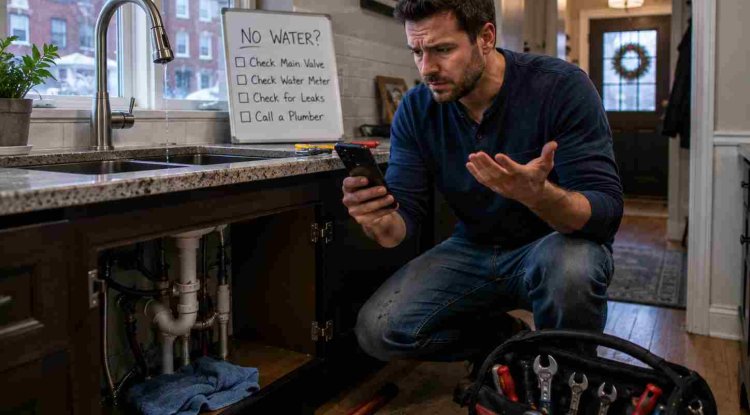
- Check the main water shutoff valve near the water meter to ensure it is completely open.
- Unscrew and inspect aerators on kitchen and bathroom faucets for trapped mineral debris and sediment.
- Attach a standard water pressure gauge to an exterior hose bibb to record static pressure readings.
- Test multiple fixtures simultaneously to determine if pressure drop is isolated or whole-house.
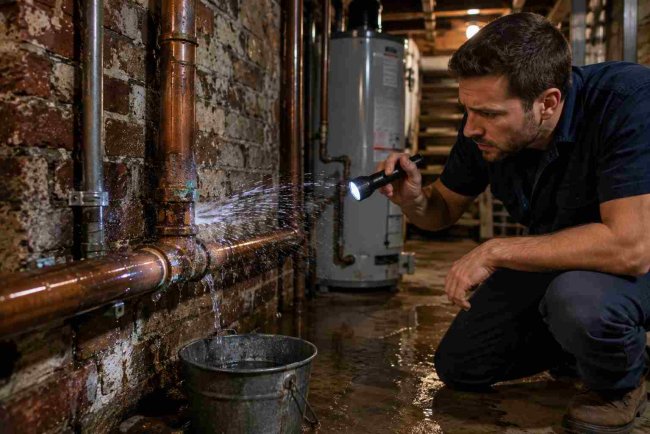
- Inspect exposed supply lines in the basement for visible crimps, leaks, or heavy exterior corrosion.
Dangerous DIY Boundaries
- Never attempt to adjust or rebuild the pressure reducing valve (PRV) without shutting off the main water supply and relieving system tension.
- Avoid using chemical agents to clear suspected scale or clogs inside pressurized water supply lines, as these chemicals can degrade pipe walls and contaminate potable water.
- Do not force aging, heavily corroded galvanized shutoff valves, as snapping the stem under torque will cause an uncontrolled high-pressure indoor geyser.
- Refrain from cutting into main supply pipes without verifying the exact location of the municipal curb stop key.
Baltimore Architectural & Infrastructure Realities
Baltimore’s diverse housing stock introduces unique plumbing challenges that directly impact water pressure and flow dynamics. Historic brick rowhouses throughout neighborhoods like Fells Point, Federal Hill, and Charles Village often feature narrow, confined service chases and vintage plumbing networks that have undergone decades of patchwork repairs.
Many older Baltimore properties still rely on aging service lines connecting the municipal water main in the street to the interior basement wall. Over decades, lead, galvanized iron, or early copper service pipes accumulate heavy internal mineral scale or experience exterior soil corrosion, restricting volume before water even reaches the home's interior piping. Furthermore, interior distribution systems in historic rowhouses frequently transition from old galvanized steel to copper and modern PEX, creating multiple restriction points where turbulent flow and mineral accumulation accelerate.
Repair Options & Transparent Cost Drivers
When resolving systemic low water pressure, repair strategies vary based on the root mechanical failure, material condition, and accessibility of the affected piping.
| Repair Option | Primary Application | Primary Cost Drivers |
|---|---|---|
| PRV Replacement | Failing or clogged pressure reducing valve | Valve accessibility, pipe material, and labor time |
| Spot Section Repiping | Localized corrosion or crushed galvanized line | Wall/ceiling opening repair, pipe material (PEX vs. copper) |
| Whole-House Repipe | Extensive internal galvanized rust and scale | Home size, number of stories, drywall restoration needs |
| Service Line Replacement | Clogged or damaged underground exterior supply | Trenching length, municipal permits, sidewalk/concrete repair |
Frequently Asked Questions
1. What is the primary root cause of sudden whole-house low water pressure?
Sudden whole-house pressure drops are typically caused by a failing pressure reducing valve (PRV), a partially closed main water shutoff valve, or a major municipal supply line break in the street.
2. How can I tell if low water pressure is a municipal issue or my home's internal plumbing?
Check your neighbor's water pressure or attach a gauge to your outdoor hose bibb before the water enters indoor branch lines. If pressure is low at the direct hose bibb, contact the municipal water department.
3. Are there safe, non-invasive checks I can perform before hiring a plumber?
Yes. You can clean faucet aerators, test static water pressure with a gauge, and verify that the main indoor shutoff valve is turned fully counterclockwise to its open position.
4. What is a common mistake that worsens low water pressure issues?
Forcefully turning old, corroded gate valves or applying excessive torque to fragile vintage pipe fittings frequently shears valve stems or cracks pipes, turning a pressure drop into a major flood.
5. How do I know if my home's pipes are suffering from material failure due to scale?
If water flow starts strong when a faucet is first opened and then noticeably tapers off, or if water is discolored with rust particles, internal mineral scaling and corrosion are likely present.
6. What factors drive the cost of repairing low water pressure?
Cost is heavily influenced by the accessibility of the failed component, whether the issue requires replacing a PRV, spot-repairing corroded branches, or undertaking a complete whole-house repipe.
7. When is a PRV repair viable versus complete replacement?
If the internal diaphragm of a pressure reducing valve is ruptured or the unit is heavily scaled and older than 10-15 years, complete replacement is far more cost-effective than attempted rebuilding.
8. How do Baltimore's historic rowhouses complicate low water pressure repairs?
Historic Baltimore rowhouses often feature tight service chases, shared party walls, and buried historical piping networks that require careful routing and skilled drywall or plaster restoration.
9. What preventative maintenance routines reduce mineral scale accumulation?
Installing whole-home sediment and water filtration systems, flushing water heaters annually, and periodically cleaning faucet aerators significantly reduce mineral buildup impacts.
10. When is emergency professional intervention strictly required for water pressure issues?
Immediate professional help is mandatory if water pressure drops to zero completely, if you hear loud water hammering or banging inside walls, or if a main supply valve fails and will not shut off.
What's Your Reaction?