Old Plumbing Problems in Hampden Baltimore Homes
Learn why old Hampden Baltimore homes develop pipe leaks and corrosion, warning signs, repair options, costs, timelines, and when to call a plumbe
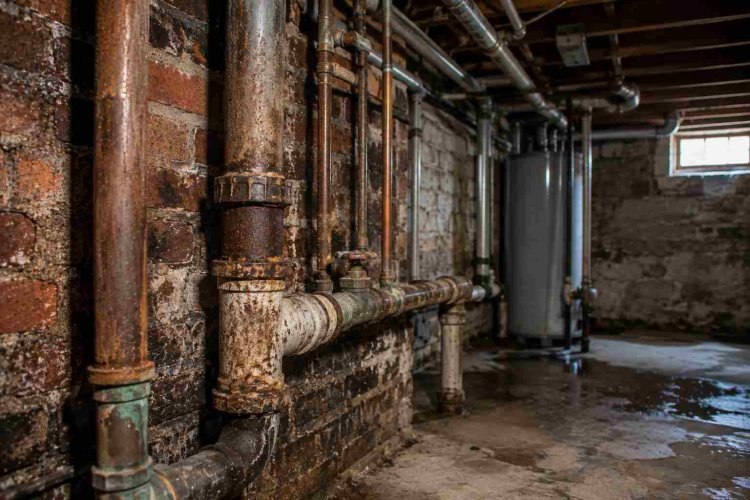
Hampden is known for its historic Baltimore rowhomes, classic architecture, and homes that have been standing for generations. That character is part of what makes the neighborhood special, but an older home can also come with aging plumbing hidden behind walls, under floors, and in basements.
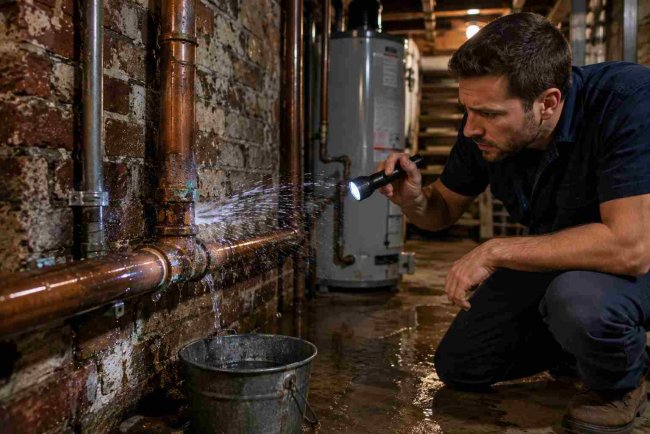
One of the most common problems is frequent leaks caused by aging and corroded pipes. A small drip under a sink may seem harmless, but repeated leaks in different parts of the house can indicate that the plumbing system itself is deteriorating.
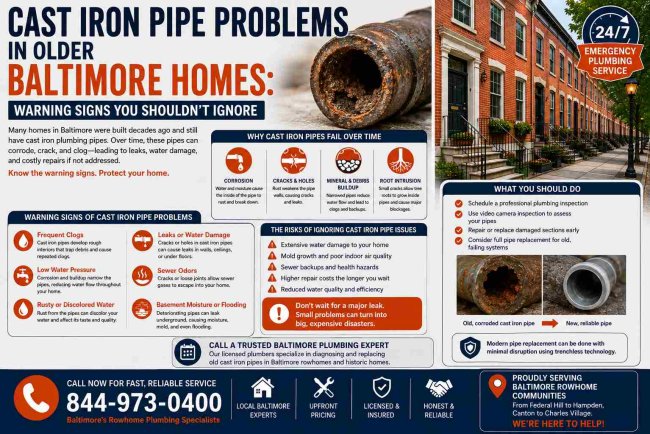
Older Baltimore properties may contain galvanized steel, copper, cast iron, or combinations of different pipe materials. Over time, corrosion, mineral buildup, weakened joints, pressure changes, freezing temperatures, and normal wear can cause pipes to lose their strength. Older Baltimore homes are also more likely to have difficult-to-access plumbing because of their construction and tight rowhouse layouts.
If your Hampden home has had several plumbing leaks in the last few years, the important question may not be, "How do I fix this leak?" It may be, "Why does my plumbing keep leaking?"
This guide explains what homeowners should know before arranging plumbing repairs, including warning signs, temporary steps, professional repair methods, costs, timelines, emergency situations, and ways to prevent recurring problems.
Why Do Old Pipes in Hampden Homes Start Leaking?
Pipes do not necessarily fail simply because they are old. The problem is that decades of exposure to water, pressure, temperature changes, corrosion, and previous repairs can gradually weaken a plumbing system.
Galvanized steel pipes are particularly important in older homes. Their protective zinc coating can deteriorate over time. Once corrosion develops inside the pipe, rust and mineral deposits can reduce the usable opening and weaken the pipe wall.
Eventually, a pipe may develop a pinhole leak. These leaks can begin as a few drops but become larger as the damaged area expands.
Other common causes include:
- Corrosion around pipe joints and fittings
- Rust and mineral buildup inside older metal pipes
- Aging soldered or threaded connections
- Different pipe materials joined together
- Previous repairs that have reached the end of their useful life
- Excessive water pressure
- Freeze-and-thaw conditions
- Pipes rubbing against framing or other surfaces
- Deteriorated supply lines or shut-off valves
A recurring leak in several locations is especially worth investigating because repairing one failed section does not necessarily stop another weakened section from failing later.
What Are the Warning Signs of Corroded Plumbing?
A visible leak is only one sign of deteriorating plumbing. Corrosion can continue inside a pipe long before water escapes through the wall.
Watch for these warning signs:
Brown, yellow, or rusty-looking water: Discoloration can sometimes occur after water has been shut off or when work is performed on the water system, but persistent discoloration deserves investigation.
Low water pressure: Internal corrosion and mineral buildup can restrict the passage available for water.
Repeated pinhole leaks: If the same pipe system develops multiple small leaks, the remaining pipe may also be compromised.
Damp walls or ceilings: A hidden supply-line leak can leave stains, bubbling paint, soft drywall, or unexplained moisture.
Musty odors: Persistent dampness around walls, floors, cabinets, or basements can indicate a hidden leak.
Unexpected increases in water usage: A hidden leak can waste water even when faucets and fixtures are turned off.
Visible rust: Rust around exposed pipes, fittings, valves, or connections should not be ignored.
Noisy pipes: Whistling, banging, or unusual water sounds can sometimes indicate pressure, flow, or pipe-support problems.
If several of these symptoms appear together, a plumbing inspection can help determine whether the issue is isolated or part of a larger system problem.
What Causes Frequent Plumbing Leaks in Older Baltimore Homes?
Several factors can work together in an older Hampden property.
Corrosion
Corrosion gradually weakens metal pipe walls. Once the wall becomes thin enough, even normal water pressure can cause a leak.
Mineral buildup
Deposits can accumulate inside older pipes. This reduces water flow and can contribute to pressure and performance problems.
Aging connections
The pipe itself may not be the only problem. Threaded fittings, valves, joints, and connections can deteriorate as the system ages.
Mixed plumbing materials
A home that has undergone several renovations may contain different generations of plumbing. Connections between different materials require proper fittings and installation techniques.
Winter temperatures
Baltimore winters can create additional risks for vulnerable plumbing. Pipes exposed to freezing temperatures can expand and potentially crack or burst.
Previous spot repairs
A homeowner may have repaired a leaking section several times. While a targeted repair can be appropriate, repeated failures may indicate that the surrounding piping has also deteriorated.
Can a Small Pipe Leak Be Temporarily Fixed?
Yes, but a temporary measure should be treated as exactly that: temporary.
If water is actively leaking, the safest first step is to shut off the water supply serving the affected fixture or, if necessary, the home's main water supply.
For a very small exposed leak, a homeowner may be able to reduce water damage temporarily with an appropriate plumbing repair clamp or other temporary product designed for the pipe. However, these solutions do not reverse corrosion.
Avoid aggressively tightening an old corroded fitting. A weakened fitting can break when disturbed, potentially turning a slow leak into a major water release.
Also avoid covering an inaccessible leak with materials that make future inspection more difficult.
The goal of a temporary measure is to control water until a qualified plumber can determine the actual condition of the pipe.
How Does a Professional Diagnose Old Plumbing Problems?
A professional plumbing inspection should begin with diagnosis rather than immediately replacing whatever pipe is easiest to reach.
The plumber may:
- Locate the visible or suspected leak.
- Determine which plumbing system is affected.
- Identify the pipe material.
- Inspect exposed sections for corrosion and deterioration.
- Check connections, valves, and fittings.
- Look for evidence of hidden water damage.
- Evaluate water pressure when appropriate.
- Determine whether other sections show similar signs of failure.
- Recommend repair, partial replacement, or repiping based on the condition of the system.
For hidden leaks, additional leak-detection methods may be appropriate depending on the situation.
This distinction matters. If one fitting has failed but the rest of the system is healthy, replacing that section may make sense. If multiple sections are badly corroded, repeatedly replacing individual pieces may become an expensive cycle.
Should You Repair One Pipe or Replace the Plumbing System?
There is no single answer for every Hampden home.
A localized repair may be reasonable when:
- The damaged area is isolated.
- Most of the plumbing is in good condition.
- The pipe material has substantial remaining service life.
- Access is straightforward.
- The homeowner wants to address an immediate failure first.
Broader replacement may deserve consideration when:
- Multiple leaks have occurred.
- Pipes show widespread corrosion.
- Water pressure has progressively declined.
- Large sections are heavily scaled or rusted.
- Repairs are becoming frequent.
- The plumbing contains outdated materials that the homeowner wants replaced.
- A renovation already provides access to walls or ceilings.
Baltimore-area pipe replacement can be more complicated in older rowhomes because plumbers may have limited access to plumbing hidden within walls, floors, and tight utility spaces.
The right approach should be based on an inspection rather than a one-size-fits-all recommendation.
How Long Does Old Pipe Repair Take?
The timeline depends heavily on where the pipe is located and how extensive the damage is.
A straightforward exposed pipe or fitting repair may be completed during a single service visit. Hidden leaks can take longer because the plumber first has to locate the source and gain safe access.
A larger partial repipe may require several hours or multiple visits. Whole-home repiping can take longer still, particularly when pipes are located behind finished walls, ceilings, flooring, or other difficult-to-access areas.
Historic construction can also affect the schedule. Removing and restoring access areas may involve work beyond the plumbing itself.
A professional plumber should explain what needs to be opened, what will be replaced, and what restoration may be required before the project begins.
How Much Does Old Plumbing Repair Cost in Baltimore?
There is no reliable single price for old plumbing repair because the scope can vary dramatically.
Current Baltimore-area pricing information shows that pipe replacement costs are affected by pipe material, labor, accessibility, and the amount of piping being replaced. Older Baltimore homes can also cost more to work on when plumbing is difficult to access.
Important cost factors include:
- Location of the leak
- Type and condition of the pipe
- Amount of pipe being replaced
- Accessibility
- Number of fittings and connections
- Whether walls or floors must be opened
- Emergency versus scheduled service
- Required permits or inspections
- Water damage restoration
- Whether the project involves partial replacement or whole-home repiping
A good estimate should explain the scope of work instead of giving a vague number without inspecting the plumbing.
What Happens If You Ignore a Corroded Pipe?
A slow leak can cause much more damage than the amount of water suggests.
Water can enter drywall, flooring, cabinets, insulation, framing, and other building materials. Persistent moisture can also create conditions for mold growth and deterioration.
A leak hidden inside a wall can remain unnoticed until paint begins to bubble, flooring becomes damaged, or a ceiling develops a stain.
There is also the risk that a weakened pipe will fail suddenly. A small pinhole leak can become a much larger break when the pipe wall continues to deteriorate.
Ignoring repeated plumbing leaks can therefore turn a manageable plumbing repair into a combination of plumbing, carpentry, flooring, and water-damage work.
When Is an Old Plumbing Leak an Emergency?
Call for emergency plumbing help when a leak is rapidly releasing water, cannot be controlled, or threatens the home's electrical systems or structure.
Emergency warning signs include:
- A burst or severely cracked pipe
- Water pouring from a ceiling or wall
- A rapidly flooding basement
- A main water line failure
- A leak near electrical equipment
- Sewage entering the home
- Water that cannot be stopped with an accessible shut-off valve
- A major loss of water pressure accompanied by visible leaking
If you can safely reach the main water shut-off valve, shutting off the water can limit damage while help is on the way.
Do not enter areas where standing water may have contacted electrical equipment.
People Also Ask About Old Plumbing in Hampden
How do I know if my old pipes need replacing?
Frequent leaks, significant corrosion, persistent low water pressure, visible deterioration, and repeated repairs can indicate that replacement should be evaluated.
Are galvanized pipes a problem in old Baltimore homes?
Galvanized pipes can develop internal corrosion and mineral buildup as they age. This may restrict water flow and eventually contribute to leaks.
Can a corroded pipe be repaired?
Yes, an isolated damaged section can sometimes be repaired. However, widespread corrosion may make partial replacement or repiping more practical.
Why does my old house keep getting plumbing leaks?
Repeated leaks may indicate aging pipe material, corrosion, weakened connections, excessive pressure, freezing damage, or deterioration throughout the plumbing system.
Is low water pressure caused by old pipes?
It can be. Corrosion and mineral buildup inside older pipes can reduce the space available for water to flow.
Should I replace all the plumbing at once?
Not necessarily. A professional assessment can determine whether targeted repairs, partial replacement, or complete repiping makes the most sense for the home's condition and your budget.
Voice Search Questions Homeowners Ask
"Why are my pipes leaking in my old Baltimore house?"
The most likely causes include corrosion, aging connections, deteriorated pipe walls, excessive pressure, freezing, and previous repairs that have reached the end of their useful life.
"How do I stop an old pipe from leaking?"
Shut off the affected water supply if possible and arrange professional inspection. A temporary clamp may control some exposed leaks, but it does not repair corrosion throughout the pipe.
"When should I replace old plumbing pipes?"
Consider replacement when leaks are recurring, corrosion is widespread, water pressure is declining, or repair costs are repeatedly adding up.
"How much does it cost to replace old pipes in Baltimore?"
The price depends on pipe material, accessibility, labor, the amount being replaced, and whether walls or floors must be opened. A property-specific inspection is needed for an accurate estimate.
How to Prevent Plumbing Problems in an Older Hampden Home
You cannot stop normal pipe aging, but you can often catch problems earlier.
Inspect exposed plumbing periodically for rust, moisture, staining, and corrosion.
Know where your home's main water shut-off valve is located and make sure it can be operated when needed.
Watch your water pressure and investigate sudden changes.
Pay attention to recurring leaks rather than treating each one as an unrelated problem.
During cold weather, protect vulnerable pipes from freezing conditions.
If you are renovating an older bathroom or kitchen, have the accessible plumbing inspected before closing the walls.
Consider a professional plumbing inspection if your home has old plumbing and you have never had the system evaluated.
How to Choose a Plumber for an Older Hampden Home
Older homes require more than basic leak repair skills. Look for a plumbing company that understands aging plumbing systems and can explain the difference between an isolated failure and widespread pipe deterioration.
Before approving major work, ask:
- What caused the leak?
- What type of pipe do I have?
- Is the corrosion localized or widespread?
- Can the damaged section be repaired?
- How long should the repair last?
- Are other sections likely to fail?
- Will walls or flooring need to be opened?
- What is included in the estimate?
- Is the work covered by a warranty?
- Are permits or inspections required?
A trustworthy plumber should be willing to explain the diagnosis and present practical options rather than pushing unnecessary work.
Why Hampden Homeowners Should Address Recurring Leaks Early
The biggest mistake with old plumbing is assuming that every leak is an isolated event.
One leak can be a one-time failure. Several leaks in different locations may tell a different story.
If your Hampden home has experienced repeated pipe leaks, corrosion, rusty plumbing, low water pressure, or unexplained moisture, it is worth having the plumbing system evaluated before a small problem becomes a major water-damage event.
Plumber in Baltimore can help homeowners understand the source of plumbing problems and determine what repair approach makes sense for the property.
For plumbing service in Baltimore, call 844-973-0400 to discuss the problem and arrange professional assistance.
The goal is not simply to stop today's leak. It is to understand why the plumbing failed, whether other sections are at risk, and what solution can provide reliable performance for years to come.
What's Your Reaction?