Basement Plumbing Problems in Federal Hill Baltimore Homes

Learn the causes, warning signs, repair costs, timelines, and prevention tips for basement plumbing problems in Federal Hill Baltimore homes.
Basement Plumbing Problems in Federal Hill Baltimore Homes

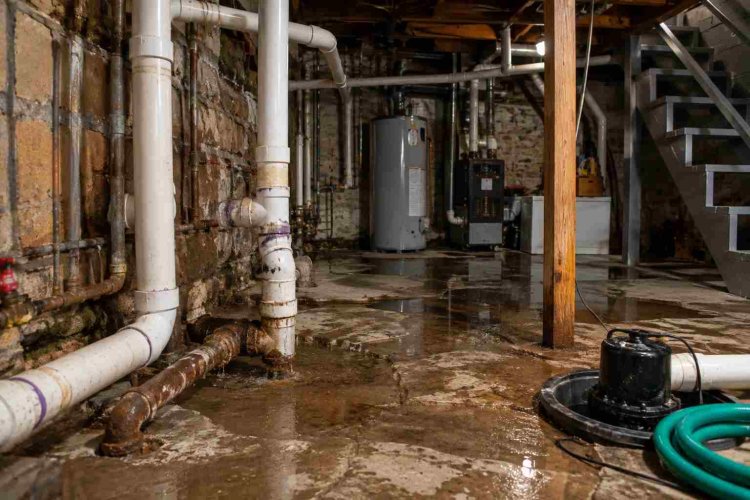
Basement plumbing problems are common in Federal Hill Baltimore homes, especially in older properties where plumbing systems may have been installed decades ago. A slow basement drain, leaking pipe, sewer smell, backed-up floor drain, or water collecting around the foundation can start as a minor inconvenience and quickly become an expensive repair.

Federal Hill has a mix of historic rowhomes, renovated properties, older plumbing systems, and modern upgrades. That combination can create unique plumbing challenges. Aging pipes may corrode or develop leaks, while renovations can place additional demand on existing drain and water lines. Heavy rain can also expose problems with drainage, sewer connections, sump pumps, or basement waterproofing.

The important thing is not to assume that basement water is simply a normal problem for an older Baltimore home. Water or sewage entering a basement usually has an identifiable cause. Finding that cause early can help prevent structural damage, mold growth, contaminated water exposure, and more extensive plumbing repairs.

This guide explains the most common basement plumbing problems in Federal Hill Baltimore homes, the warning signs to watch for, temporary steps you can take, what professional repairs involve, typical timelines, cost factors, and when a plumbing problem should be treated as an emergency.

What Are the Most Common Basement Plumbing Problems in Federal Hill?

Basement plumbing problems can involve supply pipes, drainage systems, sewer lines, fixtures, sump pumps, or floor drains. Some problems are relatively simple to correct, while others require locating a hidden leak or damaged underground pipe.

Common issues include:

  • Basement floor drain backups
  • Sewer line backups
  • Leaking or burst water pipes
  • Sump pump failures
  • Water heater leaks
  • Clogged basement drains
  • Sewer odors
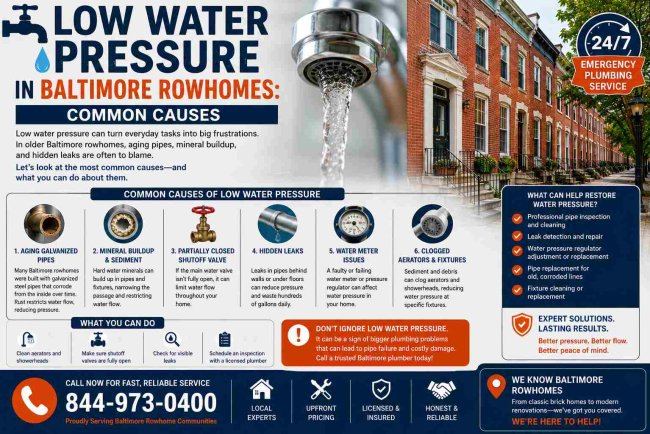
  • Low water pressure
  • Corroded or damaged plumbing
  • Water around basement fixtures
  • Condensation mistaken for a plumbing leak
  • Drainage problems after heavy rain

A basement problem should be diagnosed based on where the water is coming from, when it appears, and whether other plumbing fixtures are affected.

Why Do Basement Plumbing Problems Happen in Federal Hill Homes?

Older Baltimore homes can have plumbing components that have been repaired or replaced at different times. One section of a system may be relatively new while another remains decades old.

Several factors can contribute to basement plumbing problems.

Age: Older pipes, valves, drains, and connections eventually wear out.

Corrosion: Metal plumbing components can deteriorate internally and develop weak spots.

Clogs: Hair, grease, sediment, paper products, and foreign objects can restrict drainage.

Tree roots: Roots can enter damaged underground sewer pipes and restrict wastewater flow.

Heavy rainfall: Large amounts of rain can place additional pressure on drainage and sewer systems.

Improper previous repairs: DIY repairs or poorly installed replacement sections can create recurring problems.

Ground movement: Changes in soil conditions can affect underground plumbing connections.

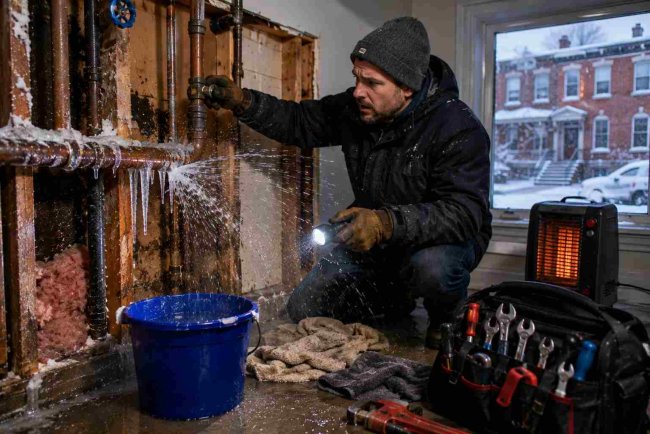
Freezing temperatures: Exposed or poorly insulated pipes can freeze and burst during severe winter weather.

Understanding the cause matters because simply removing standing water does not solve the plumbing problem that created it.

What Warning Signs Should Homeowners Watch For?

Basement plumbing problems rarely appear without clues. Recognizing early warning signs can give you an opportunity to address the issue before significant damage occurs.

Watch for:

  • A sewer or rotten-egg smell
  • Gurgling drains
  • Slow-draining sinks or floor drains
  • Water around a water heater
  • Damp areas near plumbing walls
  • Unexpected increases in water usage
  • Stains on basement walls or ceilings
  • Repeated drain clogs
  • Toilet water levels changing unexpectedly
  • Water backing up through a floor drain
  • Unusual pipe noises
  • A sump pump that runs constantly
  • Mold or persistent dampness near plumbing

A recurring problem is particularly important. If the basement drain backs up every time a washing machine runs, for example, the problem may be deeper in the drainage system rather than with the washing machine itself.

Why Is My Basement Floor Drain Backing Up?

A basement floor drain can back up when wastewater cannot move properly through the drainage system.

A minor blockage close to the drain may be responsible, but repeated backups can indicate a larger problem in the main sewer line.

Possible causes include:

  • Accumulated debris
  • Grease or sediment
  • Damaged drain piping
  • Tree root intrusion
  • A partially collapsed sewer pipe
  • Main sewer blockage
  • Excessive wastewater entering an overloaded drainage system

The timing of the backup provides useful information. If water rises from the floor drain when toilets are flushed or multiple fixtures are used, the main drainage system deserves attention.

Avoid repeatedly pouring chemical drain cleaners into a basement drain. They may not resolve a deeper obstruction and can create hazardous conditions for anyone who later works on the plumbing.

Why Does My Basement Smell Like Sewage?

A sewage odor should not be ignored.

The smell can originate from a dry floor-drain trap, a sewer backup, a damaged drainpipe, or a plumbing connection that is no longer sealed properly.

A floor drain that is rarely used can lose water from its trap. That water normally helps prevent sewer gases from entering the home. If the trap dries out, odors can travel into the basement.

If adding water to an unused drain does not solve the smell, or if the odor returns repeatedly, professional diagnosis is appropriate.

Persistent sewage odors can also indicate a larger drainage problem, particularly when combined with slow drains, gurgling toilets, or wastewater backups.

What Should You Do If Water Is Coming Into the Basement?

First, determine whether the water appears to be coming from plumbing or another source.

If a pipe has visibly burst and water is actively flowing, shut off the home's main water supply if it is safe to do so. Keep electrical equipment away from standing water.

If sewage is involved, avoid direct contact with the water. Sewage-contaminated water can contain harmful microorganisms.

If the water is coming from a floor drain, stop using plumbing fixtures until the cause is understood. Continuing to use toilets, sinks, showers, or washing machines can increase the amount of water entering an already blocked drainage system.

Take photographs of the affected area for documentation, especially if the damage may involve insurance.

Are There Temporary Fixes for Basement Plumbing Problems?

Temporary measures can reduce damage, but they should not replace proper repairs.

For a small visible pipe leak, turning off the water supply can prevent additional water damage until a plumber arrives.

For an unused floor drain with a dry trap, adding water may temporarily reduce sewer odors.

For a minor drain blockage, removing visible debris from the drain opening may help.

However, avoid opening plumbing connections unnecessarily, cutting pipes, or using aggressive chemicals when the underlying problem is unknown.

If sewage is backing up, the safest temporary action is generally to stop using affected plumbing fixtures and arrange for professional evaluation.

How Does a Professional Plumber Diagnose the Problem?

A professional diagnosis begins with understanding the symptoms.

A plumber may ask:

  • When did the problem begin?
  • Does it happen during or after rainfall?
  • Are other drains affected?
  • Has the problem happened before?
  • Is the water clean or contaminated?
  • Are there unusual odors?
  • Have previous repairs been performed?

The plumber can then inspect accessible pipes, drains, fixtures, valves, and equipment.

Depending on the symptoms, diagnostic methods may include drain inspection, sewer camera inspection, leak detection, pressure testing, or examination of the sump pump and drainage components.

The goal is to identify the source instead of repeatedly treating the symptom.

How Long Does Basement Plumbing Repair Take?

The timeline depends heavily on the cause.

A simple accessible leak may be repaired during the same visit. A basic drain blockage may also be resolved relatively quickly if the obstruction is accessible.

More complicated problems can take longer.

For example:

  • Minor leak repair: often a short service visit
  • Drain clog: commonly handled during one visit
  • Sump pump replacement: often completed in several hours
  • Sewer camera inspection: usually performed during a service appointment
  • Damaged sewer pipe: potentially several hours to multiple days depending on access and repair method
  • Major basement plumbing replacement: may require multiple visits

These are general planning ranges rather than guarantees. A plumber should inspect the actual property before providing a reliable timeline.

How Much Does Basement Plumbing Repair Cost?

There is no single price for basement plumbing repair in Baltimore.

Cost depends on:

  • The type of plumbing problem
  • Location of the damaged pipe
  • Accessibility
  • Materials required
  • Labor involved
  • Extent of water or sewage damage
  • Whether excavation is necessary
  • Whether emergency service is required
  • Whether additional components must be replaced

A simple valve or accessible leak can cost considerably less than replacing a damaged underground sewer line.

Before authorizing substantial work, homeowners should ask what caused the problem, what repair is recommended, what materials will be used, and whether the quoted price includes cleanup or additional work.

What Happens If You Ignore a Basement Plumbing Problem?

A small plumbing problem can become significantly more expensive when ignored.

A leaking pipe can damage drywall, flooring, insulation, wood framing, and stored belongings. Persistent moisture can encourage mold growth.

A sewer backup presents additional sanitation concerns. Wastewater can contaminate surfaces and belongings and may require professional cleanup.

A partially blocked sewer line can also progress to a complete blockage. Instead of dealing with slow drainage, a homeowner may eventually face sewage entering the basement.

Ignoring a sump pump problem can be particularly risky during heavy rainfall because the pump may be needed precisely when groundwater levels are rising.

When Is a Basement Plumbing Problem an Emergency?

Not every basement plumbing issue requires an emergency plumber, but some situations should be addressed immediately.

Call for urgent plumbing assistance when:

  • A pipe is actively flooding the basement
  • The main water line cannot be shut off
  • Sewage is backing into the basement
  • Multiple drains suddenly stop working
  • A sewer backup is spreading
  • A water heater is leaking heavily
  • Water is approaching electrical equipment
  • A sump pump fails while the basement is taking on water
  • You suspect a major underground pipe failure

If water is near electrical outlets, appliances, panels, or wiring, do not enter standing water to investigate. Electrical hazards require appropriate professional assistance.

How Can Homeowners Prevent Basement Plumbing Problems?

Preventive maintenance can reduce the likelihood of major basement plumbing failures.

Inspect visible pipes periodically for corrosion, moisture, staining, and mineral buildup.

Keep basement floor drains clear of debris.

Avoid flushing wipes, paper towels, grease, or other inappropriate materials into the drainage system.

Test the sump pump periodically, especially before seasons with heavy rainfall.

Know where the home's main water shutoff is located.

If the property has older plumbing, consider having the system inspected before a major failure occurs.

Pay attention to recurring slow drains or sewer odors rather than treating them as normal characteristics of an older home.

Preventive inspections can be particularly valuable when purchasing an older Federal Hill property or planning a basement renovation.

People Also Ask About Basement Plumbing

Why does my Baltimore basement flood after heavy rain?

Heavy rainfall can overwhelm drainage systems, expose weaknesses in sewer connections, increase groundwater around the foundation, or reveal problems with sump pumps and basement drainage. A plumbing inspection can help determine whether the water is coming from the plumbing system or from outside the home.

Can a basement floor drain cause sewage to enter the house?

Yes. If the drainage or sewer line becomes blocked, wastewater may find the lowest available opening, which can include a basement floor drain.

Should I use drain cleaner in a basement drain?

Chemical drain cleaners are not always appropriate, particularly when the blockage may be in a main sewer line. Mechanical cleaning or professional diagnosis may be safer and more effective.

How often should basement plumbing be inspected?

There is no universal schedule for every property, but older homes and properties with recurring plumbing problems can benefit from periodic professional inspections.

Why does my basement drain keep clogging?

Repeated clogs can result from recurring debris buildup, damaged pipes, tree roots, or a larger restriction farther down the drainage system. Repeatedly clearing the same drain without finding the cause may only provide temporary relief.

Voice Search Questions Homeowners Ask

“Who should I call for a basement plumbing problem in Federal Hill Baltimore?”

Look for a local plumbing company that can diagnose the cause, explain the repair options, provide clear pricing information, and handle emergency situations when necessary.

“What should I do if sewage is backing up in my basement?”

Stop using plumbing fixtures connected to the affected drainage system, keep people and pets away from contaminated water, and arrange for professional plumbing assistance.

“How do I know if my basement leak is a plumbing problem?”

Look at when the water appears, where it is located, and whether plumbing fixtures are being used. A plumber can determine whether the source is a pipe, drain, sewer connection, sump system, or outside water intrusion.

“Is a basement plumbing problem an emergency?”

It can be, particularly when there is active flooding, sewage backup, a burst pipe, or water near electrical equipment.

How to Choose the Right Plumber in Federal Hill Baltimore

Choosing a plumber should be about more than finding the lowest advertised price.

Before hiring someone, ask whether the company regularly handles the type of problem you are experiencing. Ask how the problem will be diagnosed and whether the plumber can explain the recommended repair in straightforward language.

It is also reasonable to ask about:

  • Service availability
  • Emergency plumbing options
  • Estimated repair timeline
  • Pricing and potential additional costs
  • Warranty information
  • Required permits for applicable work
  • Whether cleanup is included
  • Previous experience with older Baltimore plumbing systems

A trustworthy plumber should be willing to explain what is wrong and why the proposed repair is necessary.

Why Contact Plumber in Baltimore for Basement Plumbing Problems?

Basement plumbing problems are easier to manage when the underlying cause is identified early. Whether you are dealing with a recurring floor drain backup, leaking pipe, sewer odor, sump pump issue, or another basement plumbing concern, professional diagnosis can help prevent temporary symptoms from becoming major property damage.

For homeowners and businesses in Baltimore, Plumber in Baltimore provides plumbing assistance for problems that require professional attention.

You can visit Plumber in Baltimore or call 844-973-0400 to discuss a basement plumbing problem and determine the appropriate next step.

Final Takeaway

Basement plumbing problems in Federal Hill Baltimore homes should not automatically be blamed on the age of the property. A recurring drain backup, sewer smell, water leak, or sump pump problem is usually a warning that something needs attention.

The safest approach is to identify the source, limit water use when necessary, prevent contact with contaminated water, and have serious or recurring problems professionally evaluated.

Addressing a plumbing issue while it is still manageable can help protect your basement, belongings, plumbing system, and the rest of your home from more extensive damage.

What's Your Reaction?

like

dislike

love

funny

angry

sad

wow