Diagnosing & Resolving Kitchen Sink Slow Drains in Baltimore
Learn how to diagnose and clear a slow kitchen sink drain in Baltimore rowhouses, covering grease buildup, drum traps, and cast iron pipe issues.

Understanding Kitchen Sink Slow Drains in Baltimore Properties
A slow kitchen sink drain is caused by a narrowing interior pipe diameter due to accumulated organic waste, grease, soap scum, or mineral scale that restricts the cross-sectional area available for wastewater discharge. In Baltimore's historic urban environment, this common plumbing distress frequently highlights underlying system-wide bottlenecks rather than simple localized clogs. The mechanical failure typically begins when fats, oils, and grease (FOG) enter the warm kitchen waste stream in a liquid state, travel a short distance down the branch drain, and cool upon contacting uninsulated basement or exterior wall pipes. This cooling causes the grease to solidify, forming a sticky adhesive layer that traps particulate food debris, coffee grounds, and mineral precipitates over months or years.
Establishing diagnostic boundaries helps determine whether the issue is fixture-specific, a branch line restriction, or a main building drain failure. If only the kitchen sink drains slowly while the adjacent dishwasher, garbage disposal, and bathroom fixtures empty at normal velocity, the restriction is isolated to the kitchen sink tailpiece, trap, or immediate wall arm. If the slow drainage coincides with gurgling in secondary fixtures or water backing up into the lowest basin when another appliance runs, the restriction has progressed into the multi-fixture branch line or the main horizontal drainage stack.
Overlooked Trade Secrets & Hidden Diagnostic Clues
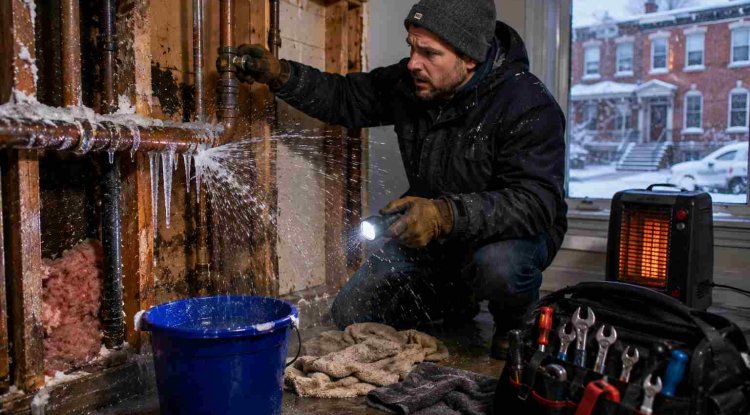
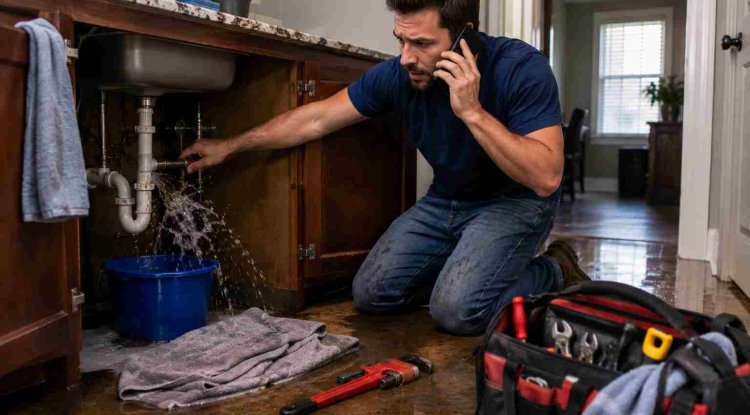
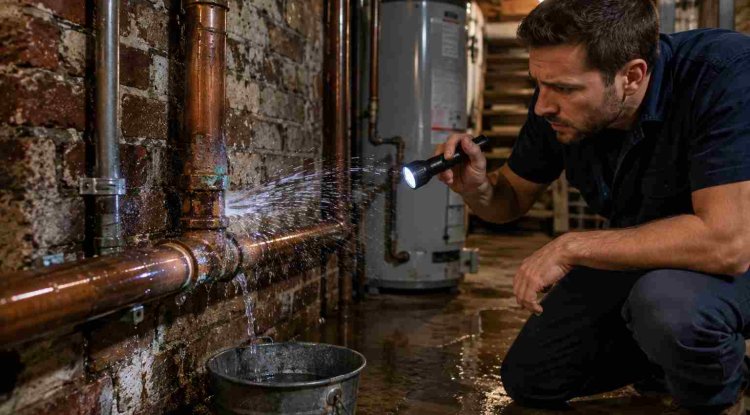
Standard DIY unclogging attempts often overlook several critical mechanical and structural realities unique to residential plumbing networks. Water tracking is a frequent diagnostic trap; due to lateral surface tension and gravitational pull along floor joists and historic plaster lath, an unaddressed pinhole leak or overflowing slip-joint connection can manifest moisture spots several feet away from the actual pipe break. Furthermore, mechanical cabling or snaking a drain line only restores temporary hydraulic flow by punching a pilot hole through a solid mass of grease or scale. Unless high-pressure water scouring or chemical-free emulsification is performed, the residual grease lining the pipe walls will rapidly trap debris and recreate the exact same obstruction.
Vent pipe blockages frequently mimic physical drain clogs by creating an airlock within the system. When a roof vent is obstructed by leaves, animal nests, or ice accumulation during Baltimore's freeze-thaw cycles, draining water creates a negative pressure gradient (vacuum lock) behind the plug, forcing the fixture to burp, gurgle, or drain at a severely reduced rate. Additionally, understanding static pressure versus dynamic flow rates is vital when troubleshooting garbage disposal discharge rates alongside secondary appliances.
| Diagnostic Indicator | Probable Mechanical Failure | Recommended Investigation |
|---|---|---|
| Single basin slow, others normal | Localized grease buildup in P-trap or tailpiece | Inspect and clear trap assembly manually |
| Gurgling noises during drainage | Compromised roof vent or branch pipe venting | Inspect roof vent stack and sanitary tee connections |
| Multiple lower-level fixtures backing up | Main building drain restriction or offset | Perform video sewer camera inspection at cleanout |
| Intermittent slow draining after cabling | Narrowed pipe interior due to cast-iron scaling | Hydro-jetting or mechanical descaling |
Safe Homeowner Triage vs. Dangerous DIY Boundaries
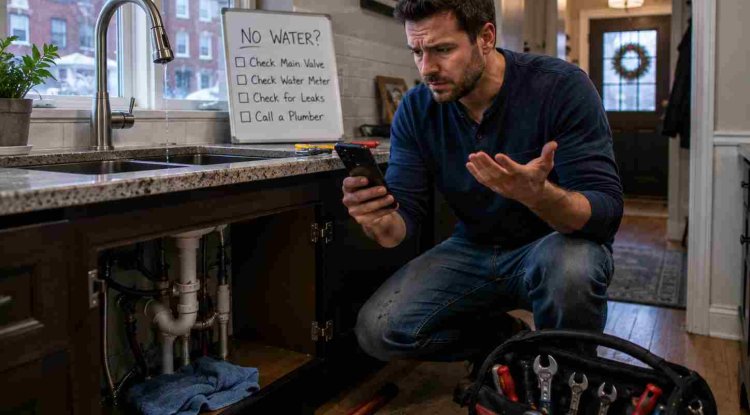
Before calling a professional or attempting repairs, homeowners can execute safe diagnostic procedures to isolate the issue. First, locate the nearest accessible cleanout plug or examine the under-sink P-trap assembly. Performing the silent food-coloring leak test on surrounding supply lines helps rule out simultaneous supply-side leaks that could confuse diagnostic observations. Checking the water meter low-flow indicator ensures that a continuous fixture leak is not compounding drainage volume.
However, strict safety boundaries must be observed to prevent severe property damage or personal injury:
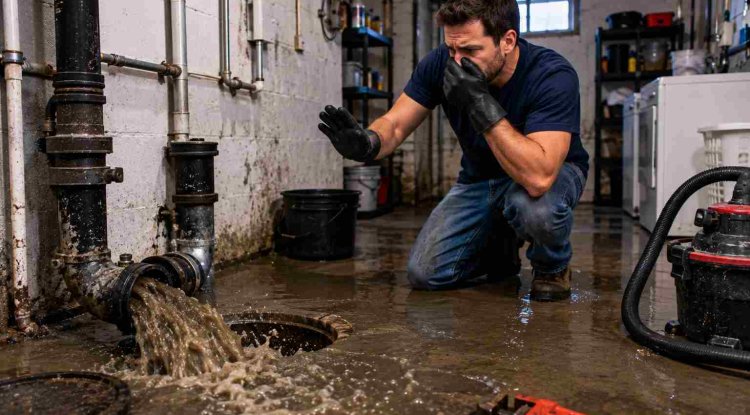
- Never unthread main sanitary cleanout plugs under liquid head pressure if you suspect a major downstream backup; releasing the plug improperly can trigger a high-pressure geyser of black wastewater into finished living spaces.
- Avoid caustic chemical drain openers in aging cast-iron or galvanized steel drainage systems. These exothermic chemicals generate extreme heat that can warp PVC fittings or chemically react with existing scale to harden into a concrete-like barrier inside corroded pipes.
- Do not force rigid steel drain cables blindly through complex vintage trap configurations or unknown pipe offsets, as piercing older, thin-walled metal pipes is a common consequence of aggressive DIY snaking.
Baltimore Architectural & Infrastructure Realities
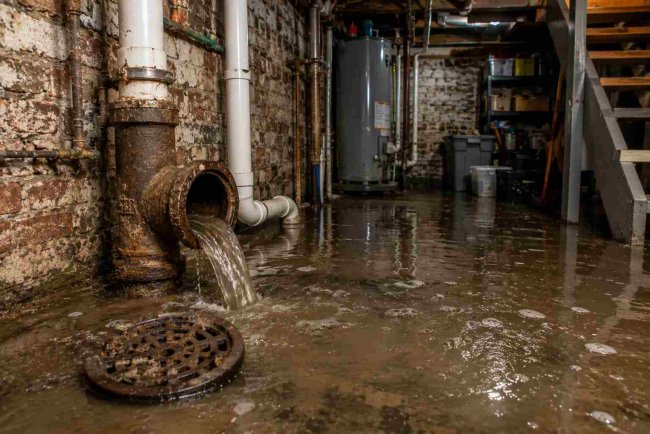
Baltimore’s iconic 19th- and early 20th-century brick rowhouses present distinct infrastructural challenges for modern kitchen plumbing. Many of these historic properties feature original bell-and-spigot cast-iron drain lines and vintage drum traps buried beneath concrete basement slabs or embedded within lath-and-plaster party walls. Cast-iron interior walls inevitably experience oxidation and tuberculation over decades of use, creating a rough, abrasive surface texture that readily catches grease and food particles.
Furthermore, mixed-material plumbing retrofits are common in the Baltimore market, where older galvanized steel branch lines have been haphazardly tied into modern PVC or copper stacks using flexible rubber fernco couplings. These transition points are prime locations for structural sagging (bellies) and localized diameter mismatches that impede smooth wastewater discharge. In finished sub-grade basements subject to municipal storm line surcharge events during heavy Mid-Atlantic rainstorms, a slow-draining kitchen sink can quickly transition into a basement backup if backwater protection valves are absent or failing.
Repair Options & Transparent Cost Drivers
Addressing a persistent slow kitchen sink drain ranges from simple mechanical maintenance to comprehensive pipe rehabilitation. Temporary repairs involve chemical-free mechanical cabling to restore baseline flow. Intermediate solutions require targeted section replacement, hydro-jetting to scour interior pipe walls clean of grease and mineral scale, or the replacement of deteriorated P-trap and slip-joint assemblies under the sink basin.
Total project pricing varies based on several distinct cost drivers:
- Access Complexity: Opening finished plaster walls, cutting into tiled kitchen floors, or accessing confined historic crawlspaces to reach damaged horizontal drain lines.
- Diagnostic Equipment Utilization: The deployment of specialized fiber-optic sewer cameras and electronic pipe locators to pinpoint exact structural cracks, roots, or bellies without exploratory demolition.
- Material Degradation Scope: The necessity of transitioning entirely rusted cast-iron stacks to modern PVC configurations to prevent future recurring blockages.
- Municipal Permitting and Compliance: Adhering to Baltimore City local plumbing codes for major sewer replacement or building drain modifications.
Frequently Asked Questions
1. What is the primary root cause of a chronically slow kitchen sink drain?
The root cause is almost always the accumulation of fats, oils, grease (FOG), and soap residue lining the interior pipe walls, which progressively narrows the pipe's internal diameter and restricts wastewater discharge velocity.
2. Why does my kitchen sink drain slowly only after running the garbage disposal?
Garbage disposals chop food waste into fine particles, but if the disposal runs without sufficient cold water volume to flush the debris completely through the horizontal branch line, the heavy pulp settles and packs into the pipe traps.
3. What are the earliest warning symptoms of an impending kitchen sink blockage?
Early symptoms include a noticeable whirlpool effect slowing down near the end of a drain cycle, mild gurgling or bubbling sounds emanating from the sink or adjacent drain lines, and occasional localized foul odors rising from the drain opening.
4. How can I safely test my sink drainage without using chemical drain cleaners?
You can safely check the P-trap assembly by placing a bucket underneath, manually unscrewing the slip-joint nuts, and inspecting the trap bend for physical obstructions or heavy sludge accumulation without introducing harsh chemical compounds.
5. What common DIY mistake worsens kitchen sink drainage problems?
Pouring industrial-strength caustic liquid drain cleaners into aging or scaled pipes is a major mistake, as the resulting chemical heat can melt PVC components, ruin fixture finishes, and solidify grease blockages permanently.
6. How do material failure indicators manifest in historic Baltimore drainage pipes?
In older cast-iron systems, material failure appears as internal rough scaling (tuberculation), exterior rust flaking, structural pitting, or complete pipe wall perforations that allow wastewater to seep into surrounding framing.
7. What primary cost and labor factors influence professional drain cleaning?
Labor and cost are heavily determined by the accessibility of the blockage, the requirement for specialized high-pressure hydro-jetting equipment, and whether the obstruction resides in an easily serviced trap or a buried sub-slab line.
8. When should a slow drain be repaired versus completely replaced?
If cabling or hydro-jetting provides only a temporary fix lasting a few weeks due to extensive interior pipe corrosion, structural collapse, or severe pitting in cast iron, full pipe section replacement or lining is required.
9. How do Baltimore's historic rowhouse configurations impact kitchen drainage maintenance?
Shared party-wall plumbing chases, aging vertical cast-iron stacks, and obsolete vintage drum traps make standard cable routing more difficult and demand specialized trade techniques to protect surrounding historic finishes.
10. When is emergency professional plumbing intervention strictly required?
Professional emergency intervention is necessary when multiple plumbing fixtures throughout the home begin backing up simultaneously, sewage overflows into living areas, or main sewer lines experience a complete structural collapse.
What's Your Reaction?