Understanding Low Water Pressure in Baltimore Homes | Diagnostic Guide
Discover why your Baltimore home suffers from low water pressure. Learn diagnostic steps, mineral scaling causes, and repair options.

Diagnosing and Resolving Low Water Pressure in Baltimore Properties
Low water pressure is caused by a restriction in the flow path, a failing pressure-reducing valve (PRV), or partial blockages from mineral accumulation within the water supply piping. When a home experiences a sudden or gradual drop in flow, the underlying mechanical failure mode typically involves hydraulic restriction, internal pipe corrosion, or thermal scale buildup reducing the interior diameter of supply lines. Establishing diagnostic boundaries requires determining whether the pressure loss is isolated to a single fixture, limited to a specific branch line (such as a second-floor bathroom), or affecting the entire building supply from the main service entry.
Overlooked Trade Secrets and Hidden Diagnostic Clues
Many homeowners assume a pressure drop is a municipal issue, but internal plumbing conditions often tell a different story. Static pressure (PSI) can read normally on a gauge when no water is running, yet dynamic flow rate (GPM) plummets the moment a second fixture opens. This discrepancy usually points to severe interior pipe constriction where the pipe wall has narrowed, allowing static pressure to build up slowly over time, but restricting volume under demand.
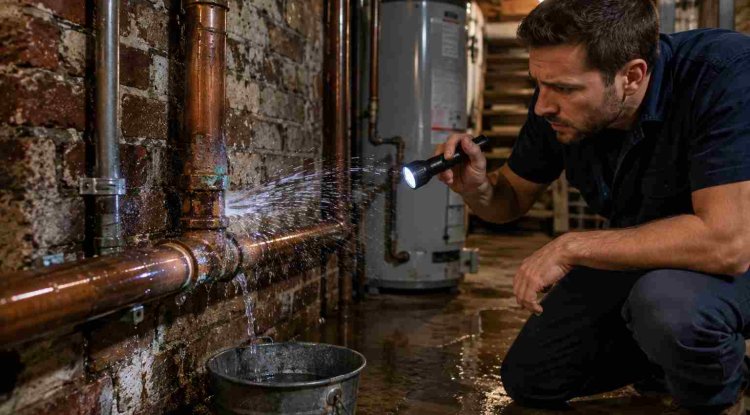
In older Baltimore properties, mineral scale and sediment accumulation inside water heaters and supply pipes create thermal and hydraulic bottlenecks. Furthermore, municipal seasonal shifts can alter water main delivery pressure, making existing restrictions in home piping far more noticeable during peak municipal usage hours.
Safe Homeowner Triage vs. Dangerous DIY Boundaries
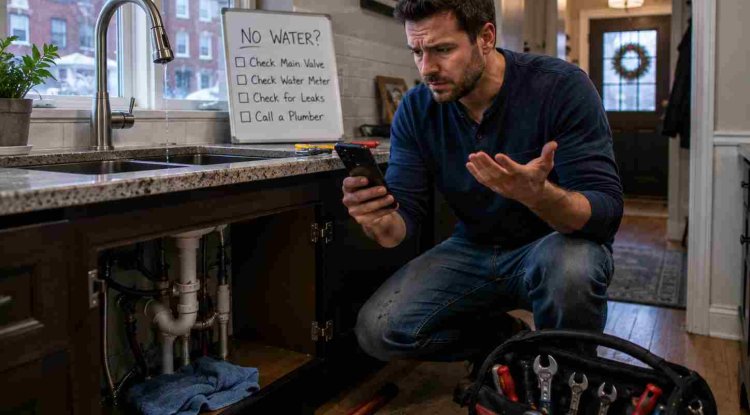
Before calling a professional, homeowners can perform safe diagnostic checks to isolate the issue:
- Check the main water shutoff valve to ensure it is fully open and not partially seated, which restricts volume.
- Inspect all individual fixture aerators and showerheads for mineral scale and sediment blockages. Clean or descale them using a vinegar soak.
- Locate the home's water meter and observe the low-flow leak indicator wheel while all fixtures are off to rule out hidden leaks causing a pressure drop.
Explicit Warnings: Never attempt to adjust or disassemble a main pressure-reducing valve (PRV) or tamper with the municipal water meter box at the curb. Attempting to force corroded shutoff valves or unthreading brittle galvanized supply nipples without proper backup wrenches can cause catastrophic pipe failure and major flooding.
Baltimore Architectural and Infrastructure Realities
Baltimore features a diverse housing stock ranging from 19th-century brick rowhouses to mid-century suburban builds. Historic rowhouses often contain mixed-metal plumbing systems, transitioning from older galvanized steel or brass supply lines to modern copper or PEX. Galvanized steel pipes are particularly prone to internal iron oxidation and tuberculation, which slowly closes off the interior pipe bore over decades. Additionally, municipal water supplied across the Baltimore metropolitan area carries mineral content that accelerates sediment baking inside water heaters and restricts supply paths in tight service chases.
Repair Options and Transparent Cost Drivers
Correcting low water pressure depends entirely on the root cause. Solutions range from simple aerator cleaning and PRV cartridge replacement to localized spot repairs or a full repiping of corroded supply lines.
| Diagnostic Symptom | Probable Mechanical Failure | Recommended Action |
|---|---|---|
| Low pressure at one sink only | Clogged aerator or closed supply stop | Clean aerator or adjust supply valve |
| Sudden drop across all hot water fixtures | Sediment buildup in water heater dip tube | Flush tank or service water heater |
| System-wide drop in pressure | Failed PRV or main line restriction | Test static pressure and service PRV |
| Gradual pressure loss in old home | Galvanized pipe internal corrosion | Targeted repiping or full supply upgrade |
Cost drivers for pressure restoration work include diagnostic testing time, accessibility of supply lines in finished walls or cramped crawlspaces, the need for specialized pressure-testing equipment, and whether aging municipal connections or private supply lines require replacement.
Frequently Asked Questions
1. What causes a sudden drop in water pressure throughout an entire house?
A sudden system-wide drop is typically caused by a failing pressure-reducing valve (PRV), a partially closed main water shutoff valve, or a major municipal supply disruption in your area.
2. How can I tell if my pressure-reducing valve (PRV) has failed?
Attach a water pressure gauge to an outdoor hose bibb. If the static reading is erratic, extremely high, or drops to nearly zero when a nearby faucet is opened, the internal PRV spring or diaphragm has likely failed.
3. Why does my water pressure drop only when I use the hot water?
This is usually caused by heavy sediment accumulation inside the water heater tank or a broken dip tube restricting the hot water outlet flow path.
4. Can mineral scale buildup in pipes cause low water pressure?
Yes. Over time, calcium and magnesium deposits in hard water accumulate inside supply pipes, progressively narrowing the inner diameter and restricting water volume.
5. Are low water pressure and low water flow the same thing?
No. Pressure refers to the force (PSI) pushing water through the pipes, while flow rate measures the volume (GPM) delivered over time. A pipe can have high pressure but low flow if it is partially restricted.
6. What is a safe DIY check for localized pressure issues?
Unscrew the aerator screen from the affected faucet and check for trapped sand, rust flakes, or mineral scale. Cleaning or soaking the screen in vinegar often restores full flow.
7. Why do older Baltimore rowhouses suffer from chronic low pressure?
Many historic homes still retain aging galvanized steel supply pipes that suffer from internal corrosion and tuberculation, severely choking water flow over decades.
8. What factors influence the cost of fixing a pressure drop?
Pricing is driven by the diagnostic complexity, accessibility of the affected lines (such as within finished walls or crawlspaces), and whether the repair requires a simple PRV replacement or extensive repiping.
9. How can I prevent sediment from building up in my plumbing system?
Installing a whole-house sediment filter and scheduling annual water heater maintenance help capture minerals before they travel through your interior supply lines.
10. When should I call a professional plumber for low water pressure?
You should seek professional diagnostic assistance when pressure tests indicate a failed PRV, when whole-house pressure loss cannot be resolved by checking shutoff valves, or when internal galvanized pipes require replacement.
What's Your Reaction?