Old Pipe Replacement in Baltimore Rowhomes When Is It Necessary
Learn when old pipe replacement is necessary in Baltimore rowhomes, including warning signs, causes, costs, timelines, repairs, and emergency plumbing concerns.
Old plumbing pipes can be easy to ignore—until a small leak becomes water damage, a drain repeatedly clogs, or rusty water starts coming from the faucet. For owners of older Baltimore rowhomes, aging plumbing deserves particular attention because many properties have plumbing systems that have been repaired, modified, or partially replaced over several decades.
Knowing when old pipe replacement is actually necessary can help you avoid paying for unnecessary work while also preventing a much more expensive plumbing emergency.
In some cases, a plumber can repair one damaged section. In others, the condition of the entire plumbing system makes replacing old pipes the more practical long-term solution.
This guide explains the warning signs, causes, replacement process, cost factors, expected timelines, and situations where Baltimore homeowners should schedule a professional plumbing inspection.
Why Do Baltimore Rowhomes Have Old Plumbing Pipes?
Baltimore has a large stock of older rowhomes, many of which have experienced multiple renovations and plumbing repairs over their lifetime. A plumbing system may contain different pipe materials because previous owners replaced only the sections that failed.
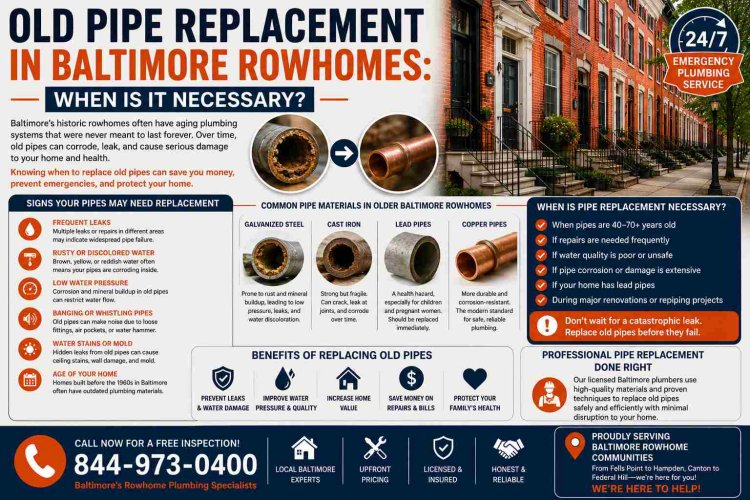
Depending on the home's age and renovation history, you may encounter older galvanized steel, cast iron, copper, PVC, or other materials.
The important point is that the age of the house alone does not automatically mean every pipe needs replacement.
Instead, a plumber should evaluate the material, condition, location, previous repairs, water pressure, corrosion, leaks, and overall reliability of the system.
Baltimore's plumbing regulations govern installation, alteration, repair, replacement, and maintenance of plumbing systems. The city has adopted the 2021 International Plumbing Code with local modifications.
When Is Old Pipe Replacement Necessary?
Old pipe replacement is generally worth considering when the plumbing system has developed repeated problems or the pipe material has deteriorated to the point where repairs are becoming temporary solutions.
A professional inspection may recommend replacement when you have:
- Frequent pipe leaks
- Severe corrosion
- Persistent low water pressure
- Repeated repairs in the same area
- Rust-colored or discolored water
- Severely restricted interior pipe openings
- Cracked or failing drain lines
- Multiple failing sections
- Pipes that are difficult to access for future repairs
- Evidence that a major section of the plumbing system is reaching the end of its useful service life
A single leak does not necessarily mean the entire house needs new plumbing.
For example, if a copper supply line develops one isolated pinhole leak while the surrounding system is in good condition, replacing that section may be reasonable.
However, if an older system is experiencing leaks throughout the home, repeatedly repairing individual sections may become more expensive and disruptive than replacing the affected piping systematically.
What Are the Warning Signs of Failing Pipes?
1. Rust-Colored or Discolored Water
Brown, orange, or yellow water can indicate corrosion somewhere in the plumbing system.
The source is important. Discoloration may originate from interior plumbing, a water heater, or the water service line, so homeowners should not automatically assume that every discolored-water problem means the home's pipes need replacement.
If the problem keeps returning, have the system inspected.
2. Low Water Pressure
A sudden reduction in water pressure can have several causes, including a faulty valve, plumbing fixture problem, water supply issue, or leak.
But gradual pressure loss in an older plumbing system can sometimes occur because corrosion and mineral buildup have reduced the usable opening inside aging pipes.
This is particularly important when multiple fixtures throughout the rowhome have weak pressure.
3. Repeated Leaks
One repaired leak may be an isolated problem.
Several leaks over a relatively short period are different.
If one section fails and another section starts leaking soon afterward, the overall condition of the plumbing system should be evaluated rather than simply repairing each leak individually.
4. Visible Corrosion
Look at exposed pipes in basements, utility areas, mechanical rooms, and accessible areas beneath sinks.
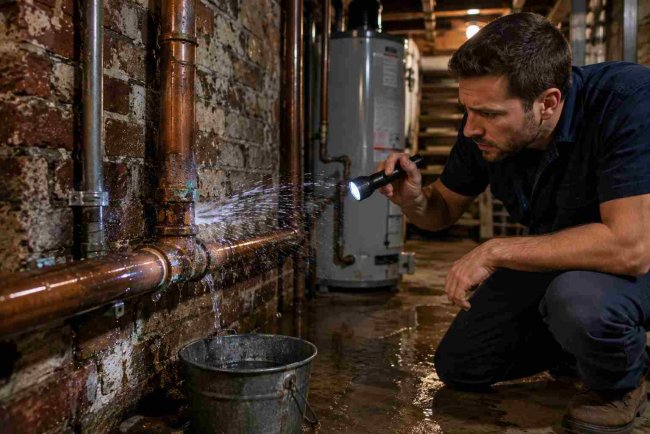
Heavy rust, flaking, swelling, green corrosion, staining, or visibly deteriorated fittings can be warning signs.
Do not scrape or disturb severely corroded pipes yourself. A professional can determine whether the pipe can safely remain in service.
5. Water Damage Around Walls or Ceilings
Brown ceiling stains, bubbling paint, damp drywall, warped flooring, or unexplained moisture may indicate a concealed plumbing leak.
Baltimore rowhomes often have plumbing routed through walls, floors, and tight utility spaces. A concealed leak can continue damaging surrounding materials long after the visible plumbing problem begins.
What Causes Old Pipes to Fail?
Pipe failure usually develops from a combination of age, material, water conditions, installation quality, and previous repairs.
Corrosion
Metal pipes can deteriorate internally and externally over time. Corrosion can eventually weaken the pipe wall and contribute to leaks.
Mineral Buildup
Deposits can accumulate inside some older pipes and restrict water flow.
Freeze Damage
Baltimore winters can expose vulnerable plumbing to freezing temperatures. Pipes in exterior walls, unheated spaces, or poorly protected areas can be particularly vulnerable.
Baltimore's plumbing code includes requirements for protecting piping from freezing and overheating.
Previous Repairs
Older rowhomes sometimes contain a mixture of plumbing materials because different sections were repaired at different times.
A previous repair may have solved an immediate problem without addressing the condition of the surrounding system.
Physical Movement
Buildings naturally experience movement over time. Connections, joints, and older pipe sections can become stressed, especially where plumbing passes through different structural areas.
Can You Repair Old Pipes Instead of Replacing Them?
Sometimes, yes.
Pipe replacement should not automatically be the first recommendation.
A professional plumber may be able to repair a localized leak when the surrounding pipe is still structurally sound.
Temporary measures can include shutting off the affected water supply, using an appropriate temporary clamp or repair method where safe, or isolating the damaged section until professional repairs are completed.
However, temporary repairs are not a substitute for correcting a deteriorating plumbing system.
If an old pipe has already failed and nearby sections show similar corrosion, another failure may occur.
The goal should be to determine whether you have an isolated defect or evidence of a larger system problem.
How Does Professional Old Pipe Replacement Work?
A reputable plumber should begin with an inspection rather than immediately recommending a whole-house repipe.
Step 1: Inspect the Plumbing System
The plumber identifies pipe materials, accessible pipe conditions, leak locations, valves, fixtures, and previous repairs.
Step 2: Determine the Source of the Problem
The plumber evaluates whether the issue is caused by a supply pipe, drain line, fitting, fixture, water heater, or another component.
Step 3: Decide Between Repair and Replacement
If only one section is failing, localized repair may make sense.
If multiple sections are deteriorating, a larger replacement may be more economical and reliable.
Step 4: Plan Pipe Access
Rowhomes can have tight layouts, finished walls, bathrooms stacked above one another, and limited mechanical access.
A good plumber should explain where access will be needed before work begins.
Step 5: Remove Damaged Piping
The deteriorated section is removed and replaced with plumbing materials appropriate for the application and current code requirements.
Step 6: Test the System
After installation, the plumbing should be checked for leaks, proper flow, drainage, and other applicable requirements.
Baltimore's plumbing code applies to plumbing installation, alteration, repair, replacement, and maintenance.
How Long Does Old Pipe Replacement Take?
The timeline depends heavily on the size and accessibility of the project.
A small exposed pipe repair might take only a few hours.
Replacing several accessible sections could take a day or more.
A larger repiping project can take several days, particularly when walls, ceilings, flooring, bathrooms, or other finished surfaces require access.
For a Baltimore rowhome, the plumber should provide a project-specific timeline after inspecting the property.
Be cautious of anyone promising an exact completion time without first seeing the plumbing system.
How Much Does Old Pipe Replacement Cost?
There is no reliable single price for replacing old pipes in a Baltimore rowhome.
The final cost can depend on:
- Type and amount of piping being replaced
- Pipe material
- Number of fixtures involved
- Accessibility of the pipes
- Number of floors
- Wall or ceiling access
- Condition of existing plumbing
- Whether drain lines are involved
- Whether permits or inspections are required
- Water service or sewer connection work
- Restoration needed after plumbing access
- Emergency versus scheduled service
Baltimore's published fee schedule includes plumbing-related permit fees for items such as replacement water service pipes, sanitary connections, and on-site utility work.
A professional estimate should separate plumbing work from potential restoration costs so the homeowner understands what is included.
Should You Replace All the Pipes at Once?
Not necessarily.
Whole-house pipe replacement can make sense when the plumbing system is consistently failing or multiple areas have significant deterioration.
But replacing every pipe in a home is not automatically the best choice.
A qualified plumber should explain the condition of the existing system and present reasonable options.
For example:
Option 1: Repair one isolated leak.
Option 2: Replace several visibly deteriorated sections.
Option 3: Replace a larger portion of the plumbing system because repeated failures indicate widespread deterioration.
The best decision depends on the actual condition of the pipes, not simply the age of the property.
What About Old Water Service Lines?
A home's interior plumbing is different from the underground service line connecting the property to the public water system.
Baltimore City and Baltimore County have been working to identify water service line materials as part of lead and copper rule compliance efforts. The city states that Maryland banned installation of lead water service lines in 1972 and that the city and county replace non-copper service lines up to the meter during water-main replacement projects.
If you are concerned about the material of your home's service line, ask a qualified professional to identify it and explain whether any action is recommended.
Do not assume that an old rowhome automatically has a lead service line.
What Happens If You Ignore Old Pipes?
Delaying necessary pipe replacement can turn a manageable plumbing repair into a much larger property problem.
Potential consequences include:
- Water damage
- Mold-friendly moisture conditions
- Damaged drywall
- Flooring damage
- Cabinet damage
- Structural deterioration
- Loss of water service
- Repeated emergency plumbing bills
- Damage to personal belongings
A small leak inside a wall may not be dramatic at first.
The problem is that concealed water can continue accumulating where you cannot see it.
If you notice unexplained moisture, a persistent stain, or a recurring plumbing problem, schedule an inspection instead of waiting for a major failure.
When Is Old Pipe Replacement an Emergency?
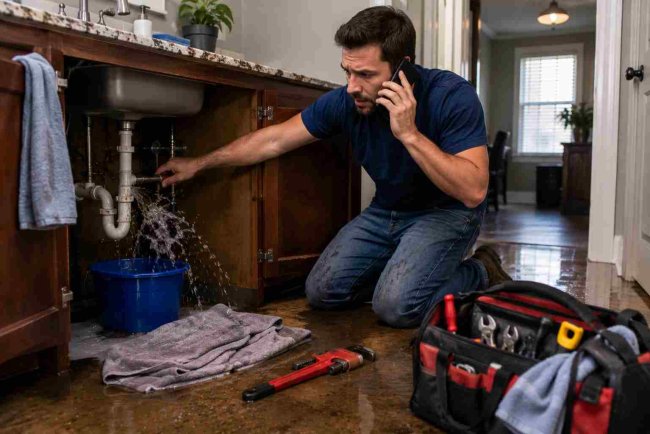
Call for emergency plumbing service when a damaged pipe is actively releasing significant water, you cannot stop the flow, or water is threatening electrical equipment or major portions of the property.
Examples include:
- A burst water pipe
- Rapidly increasing water damage
- A major ceiling leak
- Water near electrical equipment
- A failed main water line
- A sewer backup
- A pipe leak that cannot be isolated
If safe to do so, shut off the home's main water supply while waiting for professional help.
Do not enter areas containing standing water near electrical equipment.
People Also Ask About Old Pipe Replacement in Baltimore
How do I know if my Baltimore rowhome needs new pipes?
Repeated leaks, severe corrosion, persistent low water pressure, discolored water, and multiple plumbing failures are reasons to schedule an inspection. The condition of the pipe—not simply the home's age—determines whether replacement is necessary.
How long do old plumbing pipes last?
Service life varies significantly depending on pipe material, installation, water conditions, and maintenance. Instead of relying on age alone, have older or repeatedly failing plumbing professionally evaluated.
Is it cheaper to repair or replace old pipes?
A localized repair is usually less extensive than replacing a large plumbing section. However, repeated repairs can become expensive when the surrounding system is also deteriorating.
Can old pipes affect water pressure?
Yes. Corrosion and buildup inside certain aging pipes can reduce the available passage for water and contribute to poor flow. However, low pressure can have many other causes and requires proper diagnosis.
Should I replace pipes before selling my Baltimore rowhome?
Not automatically. If you are selling, an inspection can help determine whether replacement is justified and whether there are significant plumbing defects that should be addressed before listing the property.
Voice Search Questions Baltimore Homeowners Ask
“When should I replace old pipes in my Baltimore rowhome?”
Replace them when inspection shows widespread deterioration, repeated failures, severe corrosion, or other conditions where continued repairs are no longer a dependable solution.
“How do I know if my old plumbing is failing?”
Look for repeated leaks, corrosion, poor water pressure, discolored water, unexplained moisture, and recurring plumbing problems.
“Can a plumber inspect old pipes without replacing them?”
Yes. An inspection should come before a major replacement decision whenever practical.
“How long does repiping a rowhome take?”
The timeline depends on the amount of pipe being replaced and how easily the plumbing can be accessed. A professional inspection provides a more accurate estimate.
How to Choose the Right Plumber for an Old Baltimore Rowhome
Old-pipe work is not the time to choose a contractor based solely on the lowest advertised price.
Look for a plumbing company that:
- Has experience with older homes
- Can explain pipe materials clearly
- Performs an inspection before recommending major replacement
- Provides a written estimate
- Explains repair and replacement options
- Discusses access requirements
- Explains what is included in the price
- Understands applicable Baltimore plumbing requirements
- Clearly identifies emergency versus non-emergency work
- Communicates realistic timelines
Ask the plumber one particularly important question:
“Can you show me why replacement is necessary?”
A trustworthy professional should be able to explain the condition they found and why the proposed repair is appropriate.
How Baltimore Rowhome Owners Can Prevent Future Pipe Problems
You cannot stop plumbing materials from aging, but regular maintenance can help identify problems before they become emergencies.
Inspect accessible pipes periodically.
Watch for corrosion, moisture, staining, and unusual sounds.
Pay attention to changes in water pressure.
Repair small leaks promptly.
Know where your main water shutoff valve is located.
Protect vulnerable plumbing from freezing temperatures.
If you purchase an older Baltimore rowhome, consider having the plumbing system inspected before major remodeling projects.
Keep records of previous plumbing repairs and replacements. This information can help the next plumber understand which parts of the system have already been updated.
Final Takeaway: Don't Wait for an Old Pipe to Fail
Old pipe replacement in Baltimore rowhomes is not automatically necessary just because a property is old.
The better question is: What condition are the pipes in today?
If your rowhome has repeated leaks, corrosion, low water pressure, discolored water, or plumbing repairs that seem to happen again and again, an inspection can help determine whether you need a simple repair or a larger replacement project.
The earlier a deteriorating plumbing system is identified, the more options you may have—and the less likely you are to deal with an unexpected burst pipe and expensive water damage.
For Baltimore homeowners who are unsure about the condition of their plumbing, the next practical step is a professional inspection.
Contact Plumber in Baltimore at 844-973-0400 to discuss your plumbing concerns and schedule an inspection. A professional evaluation can help you understand what is actually failing, what can be repaired, and whether old pipe replacement is necessary for your Baltimore rowhome.
What's Your Reaction?