Water Heater Problems in Charles Village Baltimore Homes
Learn the causes, warning signs, repair costs, and emergency solutions for water heater problems in Charles Village Baltimore homes.
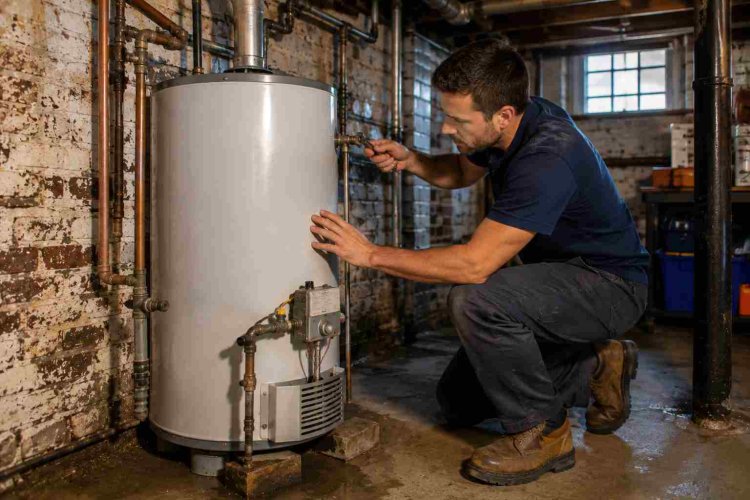
Water heater problems are common in older Baltimore homes, and Charles Village is no exception. A home may suddenly have no hot water, water that never gets fully hot, rusty water from the faucet, unusual banging sounds, or water collecting around the heater. While some problems start as minor maintenance issues, others can develop into leaks, property damage, or a complete loss of hot water.
Charles Village homes can be particularly challenging because many properties are older and may have aging plumbing systems, older water heaters, tight utility spaces, or previous plumbing modifications. The age and condition of the water heater, the type of unit installed, water quality, household usage, and maintenance history can all affect performance.
Knowing the warning signs can help homeowners decide whether a simple adjustment is appropriate or whether professional plumbing service is necessary. This guide explains the most common water heater problems in Charles Village Baltimore homes, what causes them, what you can safely do temporarily, when repairs become urgent, and what factors affect the cost of professional service.
Common Water Heater Problems in Charles Village Baltimore Homes
Several water heater problems appear repeatedly in residential properties.
No hot water: A failed heating element, thermostat problem, gas supply issue, pilot-light problem, or electrical fault can leave a household without hot water.
Not enough hot water: The heater may be undersized, a heating component may be failing, or sediment may have accumulated inside the tank.
Water leaking around the heater: Leaks can come from supply connections, valves, the temperature-and-pressure relief valve, drain valve, or the tank itself.
Rust-colored or unusual-smelling water: This can indicate corrosion inside the tank or an issue with the anode rod.
Strange noises: Popping, rumbling, cracking, or banging sounds often occur when sediment collects at the bottom of a tank.
Water temperature problems: Water that is excessively hot can create a scalding hazard, while water that remains lukewarm may indicate a heating or control problem.
Why Do Water Heaters Fail?
Water heaters do not normally fail for just one reason. Age, maintenance, installation quality, usage, and internal component wear all matter.
Sediment is one common cause. Minerals can settle at the bottom of a storage tank. As the heater operates, the sediment can become heated repeatedly and interfere with efficient heat transfer. Over time, this may contribute to overheating, unusual noises, reduced efficiency, and premature tank failure.
Age is another major factor. Internal components such as heating elements, thermostats, burners, valves, and anode rods can wear out even when the outside of the unit looks fine.
A tank can also eventually corrode from the inside. Once the actual storage tank begins leaking, replacing the water heater is often more practical than attempting a temporary repair.
Warning Signs You Should Not Ignore
A water heater rarely goes from perfect to complete failure without giving some indication first.
Watch for:
- Water around the base of the heater
- Frequent loss of hot water
- Water taking unusually long to heat
- Rust-colored hot water
- Metallic or sulfur-like odors
- Loud popping or rumbling
- A pilot light that repeatedly goes out
- Circuit breakers that repeatedly trip
- Water that becomes dangerously hot
- Visible corrosion around fittings
- A pressure-relief valve that frequently discharges water
- Increasing utility bills without a clear reason
A small symptom does not necessarily mean the heater needs replacement. However, identifying the cause early can prevent a minor component problem from becoming a larger plumbing emergency.
What Causes a Water Heater to Leak?
The location of the leak can provide an important clue.
Water coming from a connection at the top may indicate a loose or deteriorated fitting. A leaking drain valve can produce water near the lower portion of the unit. Water from the temperature-and-pressure relief valve may indicate a valve problem or excessive pressure or temperature.
The most serious situation is a leak coming directly from the tank itself. If the tank has corroded through, tightening a fitting will not solve the underlying problem.
Homeowners should avoid assuming that every puddle around a water heater means the tank itself has failed. Condensation, nearby plumbing leaks, and relief-valve discharge can sometimes make the source difficult to identify.
Can You Temporarily Fix a Water Heater Problem?
Some basic steps can reduce risk while waiting for professional help.
If you discover an active leak, shut off the water supply to the heater if you can safely identify the correct shutoff valve. For an electric heater, switching off the dedicated circuit may be appropriate when there is a serious leak or electrical concern.
For a gas water heater, do not attempt complicated gas-line repairs yourself. If you smell gas, leave the area and contact the appropriate emergency service or qualified professional.
Do not repeatedly reset a tripped electrical breaker without finding out why it is tripping. A breaker that keeps shutting off may indicate an electrical fault rather than a simple inconvenience.
Temporary measures should be treated as damage control, not a substitute for diagnosing the problem.
How Plumbers Diagnose Water Heater Problems
A professional plumber generally begins by determining what type of water heater you have and documenting the symptoms.
The inspection may include:
- Checking the unit's age and model.
- Looking for visible leaks or corrosion.
- Inspecting water and gas connections where applicable.
- Checking valves and controls.
- Testing electrical components on electric models.
- Evaluating burner operation on gas models.
- Looking for signs of sediment buildup.
- Checking temperature and pressure conditions.
- Determining whether the storage tank itself has failed.
- Recommending repair or replacement based on the findings.
The objective should not simply be to replace a component. A good diagnosis considers why the component failed and whether another problem could cause the same failure again.
How Long Does Water Heater Repair Take?
The repair timeline depends on the problem and whether replacement parts are available.
A relatively straightforward component repair may sometimes be completed during one service visit. Diagnosing an intermittent issue can take longer because the plumber may need to test several components.
A complete water heater replacement is also often completed in a single appointment when the correct replacement equipment is available and the installation is straightforward.
Older Charles Village properties can sometimes require additional time when access is difficult, plumbing connections have been modified over the years, or the existing installation does not match current requirements.
A professional should explain the expected timeline before significant work begins.
How Much Does Water Heater Repair Cost in Baltimore?
There is no single price for water heater service because the final cost depends heavily on the diagnosis.
Important cost factors include:
- Water heater type
- Unit size and capacity
- Age of the existing heater
- Replacement parts required
- Labor involved
- Accessibility
- Condition of existing plumbing connections
- Whether the heater needs complete replacement
- Installation modifications
- Emergency or after-hours service
- Local permitting or code-related requirements when applicable
A minor valve or component repair can cost substantially less than replacing an entire water heater.
Homeowners should be cautious about choosing a plumber based solely on the lowest advertised price. A very low initial quote may not include necessary parts, installation modifications, disposal, or other work discovered during inspection.
Ask for a clear explanation of what the quoted price includes.
Should You Repair or Replace Your Water Heater?
Replacement is not automatically necessary whenever a heater stops working.
Repair may make sense when the tank is structurally sound and the failed component is replaceable. A newer water heater with one failed component may be a good candidate for repair.
Replacement becomes more attractive when the tank is leaking, corrosion is extensive, repairs are becoming frequent, operating costs are increasing, or the unit is approaching the end of its useful service life.
The right decision depends on the condition of the entire system rather than one symptom.
People Also Ask About Water Heaters in Charles Village
Why is my Charles Village home's water heater making a popping noise?
Popping or rumbling often occurs when sediment accumulates inside a tank. The water can become trapped beneath the sediment and create steam pockets as the heater operates. A professional inspection can determine whether flushing or another repair is appropriate.
Why does my water heater run out of hot water quickly?
Possible causes include an undersized heater, excessive household demand, a failed heating component, thermostat problems, or sediment buildup. A plumber can determine whether the problem is repairable or whether the heater's capacity is no longer adequate.
Is a leaking water heater an emergency?
A small valve leak may not always require emergency service, but an actively leaking tank can quickly cause water damage. If water is spreading across the floor, the leak is worsening rapidly, or electrical equipment could become wet, treat the situation as urgent.
How long should a residential water heater last?
Service life varies depending on the heater type, installation, water conditions, usage, maintenance, and overall quality. Regular inspection and maintenance can help identify deterioration before a complete failure.
Voice Search Questions Homeowners Ask
“Why do I suddenly have no hot water?”
The cause could be a failed heating element, thermostat, burner, pilot issue, electrical problem, or another control failure. The correct diagnosis depends on the type of water heater installed.
“Why is my water heater leaking from the bottom?”
Water at the bottom can come from a drain valve, nearby connection, relief-related discharge, or a failed tank. Identifying the exact source is important before deciding whether repair or replacement is necessary.
“When should I call a plumber for my water heater?”
Call a plumber when the heater is leaking, repeatedly losing hot water, producing unusual noises, showing corrosion, experiencing recurring electrical or gas-related problems, or behaving unpredictably.
What Happens If You Ignore a Water Heater Problem?
Ignoring a water heater problem can turn a relatively manageable repair into a more expensive situation.
A small leak can damage flooring, walls, cabinets, or nearby belongings. Continued corrosion can eventually cause a major tank failure. A malfunctioning temperature-control system can create excessively hot water and increase the risk of burns.
Repeated electrical problems should also never be ignored because resetting a breaker does not correct the underlying fault.
The longer a deteriorating water heater operates, the greater the possibility that an unexpected failure will leave the household without hot water.
When Is Water Heater Service an Emergency?
Professional plumbing help should be considered urgent when there is:
- A rapidly increasing water leak
- A failed tank releasing significant amounts of water
- Water near electrical components
- A strong gas odor
- Smoke or burning electrical smells
- Uncontrolled or dangerously hot water
- A major valve failure
- Water threatening significant property damage
If you smell gas, do not operate electrical switches or attempt to troubleshoot the gas appliance yourself. Move away from the area and seek appropriate emergency assistance.
How to Maintain a Water Heater
Regular maintenance can help extend equipment life and improve reliability.
Have the system professionally inspected when appropriate, especially as it becomes older. Check periodically for visible corrosion or moisture around the heater. Do not ignore changes in water temperature, unusual noises, or declining hot-water capacity.
Tank-style heaters may benefit from sediment management depending on the equipment and local water conditions. Safety components should also be inspected by a qualified professional.
Keeping the area around the heater accessible is another simple but useful practice. A plumber needs enough room to inspect and service the equipment safely.
How to Choose a Plumber in Baltimore
When hiring someone to inspect or repair a water heater, look beyond price.
Choose a plumbing company that can clearly explain the problem, provide a written estimate when appropriate, discuss repair versus replacement, and answer questions about the proposed work.
For older Charles Village homes, experience with existing residential plumbing systems can be particularly valuable. Ask whether the plumber has handled similar water heater installations and whether permits or code considerations may apply to the proposed work.
A trustworthy plumber should explain what needs to be done and why rather than pressuring you into unnecessary replacement.
Why Charles Village Homeowners Should Address Water Heater Problems Early
Water heaters are easy to ignore when they are working normally. The problem is that a developing failure may remain hidden until the day the household suddenly has no hot water—or until a leak causes property damage.
For homeowners in Charles Village and throughout Baltimore, recognizing early warning signs can make it easier to schedule service before a routine repair becomes an emergency.
Plumber in Baltimore helps homeowners address plumbing problems and determine the appropriate solution for their property. If your water heater is leaking, producing unusual sounds, failing to provide enough hot water, or showing other warning signs, professional diagnosis can help you understand your options.
Call 844-973-0400 to discuss your water heater problem with Plumber in Baltimore.
Final Takeaway
Water heater problems in Charles Village Baltimore homes can result from sediment buildup, aging components, corrosion, electrical or gas-related issues, faulty valves, inadequate capacity, or a failing storage tank. Some problems are repairable, while others indicate that replacement is the more practical long-term solution.
The most important step is accurate diagnosis. Do not ignore leaks, unusual noises, repeated loss of hot water, corrosion, or unsafe temperature changes.
When you notice a problem, acting early can help protect your home, reduce unexpected downtime, and give you more options before the water heater fails completely.
What's Your Reaction?