Understanding and Resolving {{ $json.selected_topic }} in Baltimore Homes
Learn the mechanical causes, diagnostic steps, and repair options for {{ $json.selected_topic }} in Baltimore properties. Expert technical guide.

Direct Answer & Physical System Mechanics
Addressing {{ $json.selected_topic }} requires a precise understanding of the underlying mechanical failure within your home's water supply, drainage, or venting network. When this specific issue occurs, it typically stems from a disruption in hydraulic pressure gradients, a compromise in pipe integrity due to material fatigue, or a restriction within the fixture-to-stack drainage path. Unlike minor cosmetic leaks, {{ $json.selected_topic }} disrupts the balanced equilibrium of your residential plumbing infrastructure, forcing localized pressure spikes or unmitigated wastewater backup.
From a diagnostic standpoint, it is vital to isolate whether the failure is fixture-specific, localized to a branch line, or originating within the main soil stack and building drain. Fixture-specific problems usually manifest as localized blockages or worn-out valve cartridges, whereas branch line and main stack failures will often impact multiple drainage points or introduce simultaneous pressure drops across various wet areas of the house. Recognizing the exact point of system failure prevents unnecessary exploratory demolition of finished walls or flooring.
Overlooked Trade Secrets & Diagnostic Clues
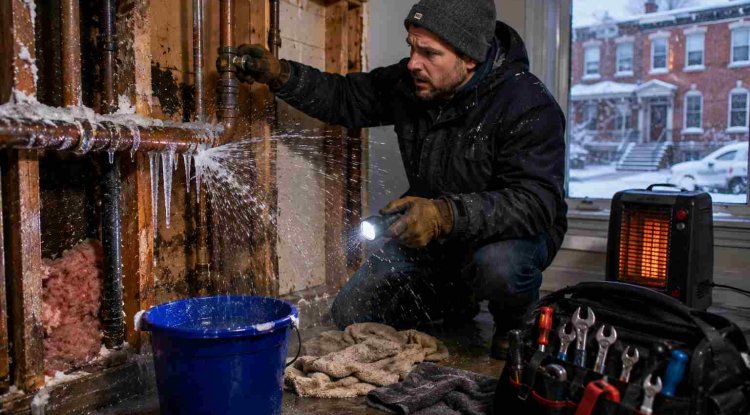
Experienced diagnosticians look beyond the obvious symptoms when evaluating {{ $json.selected_topic }}. Water and waste rarely follow a straight path of least resistance once they escape containment. Lateral surface tension frequently causes water to track along floor joists, subflooring, and plaster lath, meaning the point of emergence can be several feet—or even an entirely different room—away from the actual point of failure.
Another common oversight involves mechanical drain clearing. Running a standard cable or snake through a line often punches a temporary hole through accumulated grease, hair, or scale, but it rarely scours the interior pipe wall clean. Without emulsifying grease or completely removing mineral scale, the blockage will quickly recur. Furthermore, homeowners often confuse physical drain clogs with vent pipe blockages. If your roof vent stack is choked by leaves, animal nests, or ice accumulation, it creates a negative vacuum lock in the drainage system, slowing down fixture drainage and producing a distinct gurgling sound in nearby traps.
In addition, understanding the difference between static water pressure (PSI) and dynamic flow rate (GPM) is crucial. A system might show a healthy 60 PSI on a static gauge, but if mineral buildup has constricted the interior diameter of galvanized supply lines, opening a second valve will cause a catastrophic drop in dynamic flow.
Safe Homeowner Triage vs. Dangerous DIY Boundaries
Before professional intervention takes place, homeowners can safely perform several non-invasive triage steps:
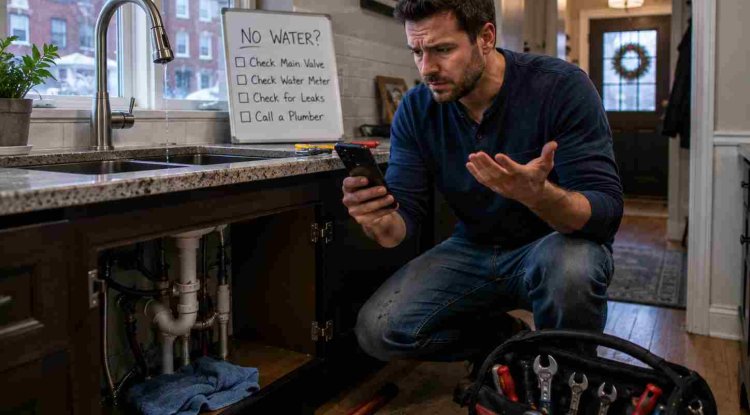
- Locate and verify the operation of the main indoor water shutoff valve, typically found where the service line enters the basement or crawlspace.
- Conduct a silent leak test on toilets by placing food coloring in the tank to check for stealthy flapper bypass.
- Monitor the low-flow indicator triangle on your water meter to determine if unmetered water is continuously moving through the property.
- Inspect accessible cleanout plugs in the basement for external moisture accumulation.
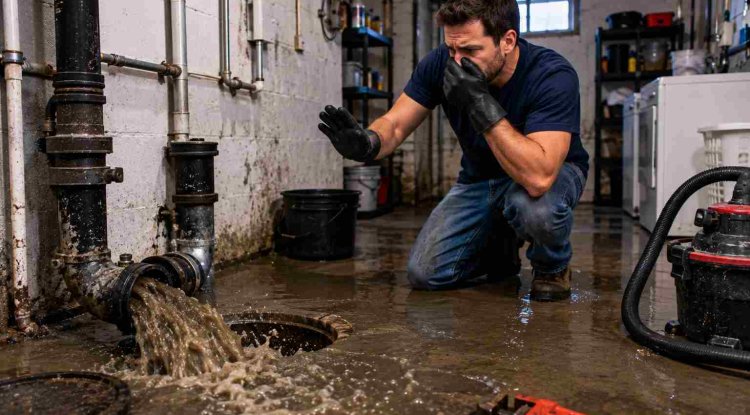
However, strict safety boundaries must be observed. Never attempt to unthread a main sewer cleanout plug under liquid head pressure, as doing so can release a massive volume of raw sewage or pressurized wastewater, creating a severe biohazard and geyser risk. Avoid pouring caustic chemical drain openers into aging cast-iron or galvanized steel pipes, as the exothermic reaction can accelerate pipe corrosion and severely burn skin upon contact. Never tamper with gas supply flex lines or attempt diagnostic work in flooded utility rooms near exposed electrical breaker panels without cutting power at the main breaker first.
Baltimore Architectural & Infrastructure Realities
Navigating {{ $json.selected_topic }} in the Baltimore area requires familiarity with the city's diverse and aging housing stock. Classic Baltimore brick rowhouses, many constructed in the late 19th and early 20th centuries, feature shared party-wall plumbing, extremely tight service chases, and deeply buried underground infrastructure. These historic properties often contain a patchwork of mixed-metal historical transitions: lead service in-lines, aging galvanized iron supply pipes, vintage brass drum traps, and fragile bell-and-spigot cast-iron drain stacks tied into modern PVC or PEX repairs.
Furthermore, many Baltimore homes feature sub-grade daylight basements that sit close to municipal storm and sanitary sewer mains. During heavy mid-Atlantic storm events, municipal surcharging can force water backward into residential lateral lines if proper backwater valves are not installed and maintained. Additionally, Baltimore municipal water carries a mineral profile that accelerates sediment baking at the base of gas and electric storage water heaters, compounding pressure and flow issues throughout the home.
Repair Options & Transparent Cost Drivers
When addressing {{ $json.selected_topic }}, repair strategies generally range from targeted spot section replacements to comprehensive repiping or trenchless rehabilitation. Temporary clamps and rubber slip-couplings offer short-term relief, but permanent structural integrity usually requires cutting out compromised sections of pipe and installing code-compliant fittings.
| Repair Approach | Ideal Application | Primary Cost Driver |
|---|---|---|
| Spot Section Replacement | Localized pipe crack or isolated joint failure | Accessibility (wall/ceiling opening vs. open basement) |
| Trenchless Pipe Lining (CIPP) | Widespread underground lateral degradation | Camera inspection time and liner material length |
| Full System Repiping | Advanced systemic corrosion across vintage lines | Total linear footage and multi-story home layout |
Cost drivers for these interventions are heavily influenced by diagnostic complexity, labor hours required to access concealed pipes behind historic plaster or tile, municipal permit requirements, and whether the repair demands specialized equipment such as electronic leak locators or high-resolution sewer cameras.
Frequently Asked Questions
1. What is the primary root cause of {{ $json.selected_topic }} in residential properties?
The root cause typically stems from material fatigue, mineral scale accumulation, structural shifting, or hydraulic imbalances within the supply or drainage networks.
2. What early warning symptoms indicate that {{ $json.selected_topic }} is developing?
Early warning signs include minor pressure fluctuations, slow-draining fixtures, damp drywall patches, musty basement odors, and unexplained increases in water consumption.
3. What safe, non-invasive DIY checks can I perform before calling a professional?
You can check your water meter's low-flow indicator, perform food-coloring tests on toilet tanks, inspect visible basement piping, and verify that main and secondary shutoff valves operate smoothly.
4. What common DIY mistakes worsen this specific plumbing issue?
Common errors include using harsh chemical drain cleaners on fragile vintage pipes, overtightening compression fittings, and attempting to clear main lines without knowing the layout of the drainage system.
5. What material failure indicators show that a pipe has reached the end of its lifespan?
Indications include heavy external scaling (often called cauliflower corrosion on galvanized pipes), pinhole leaks, persistent staining, and flaking cast-iron walls.
6. What primary factors influence the labor and financial cost of repairing this issue?
Cost factors include the accessibility of the affected pipe, the need to open historic finishes or concrete slabs, the materials required, and the diagnostic time needed to isolate the problem.
7. When is a repair preferable to a complete system replacement?
A repair is usually sufficient if the failure is localized to a single joint or short pipe section while the surrounding infrastructure remains structurally sound.
8. How do Baltimore's historic rowhouses uniquely impact this plumbing challenge?
Tight service chases, shared party walls, and aging mixed-metal transitions complicate access and often require specialized adaptation techniques to match modern plumbing codes.
9. What preventative maintenance routines reduce the likelihood of recurrence?
Routine maintenance includes annual water heater flushes, periodic sewer camera inspections, checking main shutoff valve mobility, and avoiding the disposal of grease and fibrous waste down drains.
10. When is emergency professional intervention strictly required?
Professional help is mandatory if you experience active structural flooding, sewage backup into living areas, complete loss of water supply, or suspected compromise of gas-adjacent water lines.
What's Your Reaction?