Understanding Low Water Pressure in Baltimore Homes | Plumbing Guide
Diagnose the root causes of low water pressure in Baltimore properties, from mineral scale and failing pressure regulators to municipal supply bottlenecks.
Diagnosing and Resolving Low Water Pressure in Baltimore Properties
Low water pressure is typically caused by a restricted supply line, a failing Pressure Reducing Valve (PRV), localized mineral scaling inside vintage pipes, or partial municipal supply limitations. When you open a faucet and experience a weak stream, the underlying mechanical failure usually stems from a bottleneck in the fluid dynamic gradient between your water meter and the delivery fixture. Establishing clear diagnostic boundaries is essential: if the pressure drop affects only a single hot water fixture, the issue is isolated to localized thermal scale buildup or a half-closed supply stop. However, if multiple fixtures across different levels experience simultaneous flow reduction, the restriction points to a main service line obstruction, a failing PRV, or utility-side supply changes.
In municipal settings like Baltimore, varying elevation changes across neighborhoods and aging urban infrastructure can introduce dynamic pressure shifts. Understanding whether your system suffers from a drop in static pressure (measured when no water is running) or dynamic flow rate (measured under load) dictates the entire repair trajectory.
Mechanical Failure Modes and Flow Dynamics
Water distribution relies on consistent hydraulic pressure gradients. When internal pipe diameters shrink due to corrosion or mineral precipitation, flow velocity must increase to maintain volume, creating friction loss and dropping usable pressure at the tap. In vintage Baltimore architecture, galvanized steel supply lines are notorious for interior tuberculation—a process where rust and mineral deposits choke the internal bore of the pipe until only a fraction of the original water volume can pass.
Another common mechanical failure involves the Pressure Reducing Valve (PRV), a bell-shaped brass device usually installed where the main water line enters the foundation. Over time, internal springs fatigue, or rubber diaphragms rupture and calcify, causing the valve to stick in a closed or semi-closed position. This severely restricts incoming municipal pressure before it ever reaches your home fixtures. Similarly, sediment accumulation at the base of water heaters or inline particulate filters can clog internal check valves, isolating pressure drops exclusively to the domestic hot water supply.
Overlooked Trade Secrets and Diagnostic Clues
Experienced diagnosticians look past the obvious symptoms to uncover hidden system stress. One common oversight is confusing a static pressure issue with a dynamic volume restriction. A home might register a healthy 60 PSI on a static pressure gauge attached to an outdoor hose bib, but the moment a shower and washing machine run simultaneously, the pressure collapses. This usually indicates a failing PRV whose internal spring can hold back static pressure but cannot sustain flow under demand, or a partially crushed main supply line.
Another hidden diagnostic clue involves aerator and cartridge back-pressure. Mineral scale does not deposit uniformly; microscopic bits of detached galvanized rust or calcium scale travel through the lines and lodge permanently inside mixing valve cartridges or faucet aerators. Checking multiple fixtures—including un-aerated boiler drains or laundry taps—helps isolate whether the restriction is system-wide or fixture-specific.
Safe Homeowner Triage vs. Dangerous DIY Boundaries
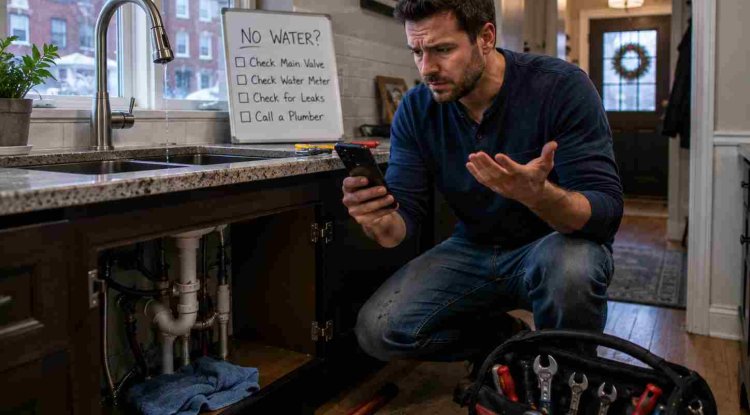
Homeowners can perform several non-invasive checks to evaluate low pressure safely before calling a professional plumber:
- Water Meter Test: Locate your outdoor water meter pit, ensure all indoor and outdoor fixtures are off, and check if the low-flow dial indicator is moving. Movement points to an active leak rather than a pressure restriction.
- Main Shutoff Inspection: Verify that the main indoor water shutoff valve is fully open. Gate valves with aging stems can slip, leaving the gate partially dropped inside the valve body.
- Aerator Cleaning: Unscrew faucet aerator tips and soak them in a mild descaling solution to clear trapped debris.
Explicit Safety Warnings: Never attempt to adjust or disassemble a main Pressure Reducing Valve without first isolating the water supply; high-velocity internal components under spring tension can cause sudden failure. Avoid applying excessive torque to aging, threaded galvanized pipes with pipe wrenches, as twisting fragile vintage metal can snap a brittle line behind a finished wall or inside a concrete floor slab.
Baltimore Infrastructure and Historic Home Realities
Baltimore features a diverse housing stock ranging from 19th-century brick rowhouses in historic districts to mid-century suburban split-levels and modern urban infills. Classic rowhouses frequently feature tight service chases and legacy plumbing layouts where original galvanized or copper pipes run through shared party walls or narrow floor joist cavities. In many older properties, decades of hard municipal water have left thick mineral linings inside pipes. Furthermore, older neighborhoods connected to vintage city water mains experience fluctuating municipal supply pressures depending on seasonal demand and elevation profiles, making the presence of a properly functioning, adjustable PRV vital for protecting interior plumbing fixtures from hammer and excessive surges.
Repair Options and Cost Drivers
Resolving low water pressure ranges from simple maintenance tasks to comprehensive repiping projects. The following table outlines standard diagnostic scenarios, repair paths, and cost-influencing variables.
| Symptom / Diagnostic Finding | Probable Mechanical Cause | Standard Repair Path | Primary Cost Drivers |
|---|---|---|---|
| Low pressure on hot water only | Sediment scale in water heater or clogged dip tube | Flush tank, clear sediment, or replace mixing valve | Tank accessibility, scale severity, unit age |
| Sudden system-wide pressure drop | Failed PRV diaphragm or municipal supply restriction | Replace PRV cartridge or full valve assembly | Valve location, tight crawlspace access, pipe material |
| Gradual pressure loss across all taps | Galvanized pipe interior tuberculation/corrosion | Partial section replacement or complete repiping (PEX/Copper) | Home square footage, wall/ceiling repair scope |
| Pressure fluctuates wildly under load | Partially obstructed main line or failing backflow preventer | Main line inspection, debris flush, or valve replacement | Trenching requirements, municipal boundary lines |
Frequently Asked Questions
1. What is the primary root cause of a sudden drop in water pressure throughout an entire house?
A sudden system-wide drop is typically caused by a failing Pressure Reducing Valve (PRV), a partially closed main water shutoff valve, or a sudden reduction in municipal supply pressure from the city water main.
2. How can I determine if the low pressure is isolated to a single fixture or affects the whole house?
Test multiple water sources across different floors, including bathtubs, kitchen sinks, and outdoor hose bibs. If only one fixture exhibits weak flow, the issue is localized to that fixture's aerator, cartridge, or supply stop valve.
3. What are the early warning signs that my Pressure Reducing Valve is failing?
Early indicators include intermittent whistling noises in the pipes when water is running, sporadic pressure spikes followed by low flow, or a gradual drop in baseline system pressure over several months.
4. Can clogged faucet aerators mimic a major plumbing pressure failure?
Yes. Mineral scale, calcium deposits, and tiny fragments of pipe rust frequently accumulate inside faucet aerator screens and shower heads, drastically reducing output volume while leaving actual pipe pressure unaffected.
5. Why do older galvanized steel pipes suffer from severe internal pressure loss?
Galvanized steel pipes corrode from the inside out when exposed to oxygen and minerals in water, creating a rough, rust-filled buildup known as tuberculation that chokes down the internal diameter of the pipe.
6. What are the primary labor and material factors that influence water pressure repair costs?
Cost factors include the accessibility of the main water entry point, whether specialized trenching is required to replace a buried service line, the extent of pipe corrosion, and local permit requirements.
7. When should a failing galvanized plumbing system be completely repiped rather than spot-repaired?
If pipe walls have thinned due to widespread internal corrosion, or if mineral buildup restricts more than 50 percent of the interior bore across multiple branch lines, spot repairs will fail, and full repiping is necessary.
8. How do Baltimore's historic rowhouse configurations complicate water pressure diagnostics?
Historic rowhouses often feature concealed supply lines routed through tight party walls, old-growth framing, or unconditioned basements, making non-destructive diagnosis and pipe replacement structurally complex.
9. What preventative maintenance routines help prevent mineral-related pressure drops?
Flushing traditional tank water heaters annually, inspecting and testing the PRV every few years, and cleaning fixture aerators biannually help maintain optimal flow rates.
10. When is it strictly necessary to call a professional plumber for low water pressure?
Professional intervention is required when static pressure tests confirm a main service line failure, when adjusting or replacing a main PRV, or when diagnosing hidden leaks causing pressure collapse.
What's Your Reaction?