Low Water Pressure in Mount Vernon Baltimore Apartments
ater pressure in Mount Vernon earn why apartment water pressure drops in Mount Vernon Baltimore, common causes, repair costs, warning signs, and when to call a professional plumberBaltimore apartments
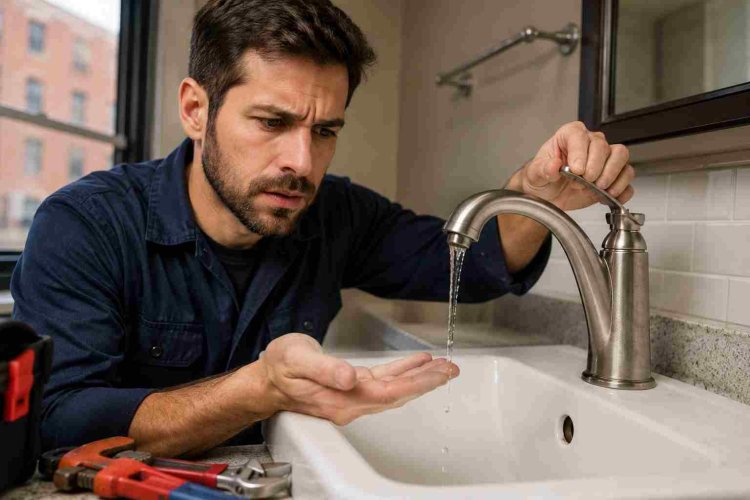
Low water pressure in a Mount Vernon Baltimore apartment can turn ordinary tasks into frustrating chores. A shower takes twice as long, the kitchen faucet barely produces a usable stream, and appliances such as washing machines or dishwashers may not fill properly. In some cases, the pressure problem affects only one fixture. In others, an entire apartment—or even several units in the building—may experience the same issue.
Low water pressure is not always caused by a failing faucet or showerhead. It can result from mineral buildup, a partially closed shutoff valve, leaking pipes, pressure-regulating equipment, building-wide plumbing problems, or changes to the municipal water supply.
For apartment residents and property managers in Mount Vernon, identifying the source is important before replacing parts or attempting a major repair. A professional plumber can determine whether the problem is isolated to the apartment or connected to the building's larger plumbing system.
If your apartment has persistent low water pressure, Plumber in Baltimore can help diagnose the problem and determine the appropriate repair. Call 844-973-0400 for plumbing assistance in Baltimore.
What Is Considered Low Water Pressure in an Apartment?
Water pressure describes the force pushing water through the plumbing system. A residential plumbing system generally needs adequate pressure to supply showers, sinks, toilets, appliances, and other fixtures comfortably.
There is no single pressure level that applies to every apartment because building height, plumbing design, water supply, and pressure-regulating equipment can affect performance.
The important issue is a noticeable change from normal.
For example, if your shower previously had a strong stream but now produces only a weak trickle, something has changed. If every fixture suddenly becomes weaker at approximately the same time, the problem may be farther upstream.
Apartment residents should also distinguish pressure from flow. A clogged aerator may restrict the amount of water coming from a faucet even when the building's actual water pressure is normal.
Why Is Water Pressure Low in Mount Vernon Baltimore Apartments?
Apartment buildings have more complicated plumbing systems than many single-family homes. Water may travel through shared supply lines, risers, valves, pressure-reducing equipment, and branch lines before reaching an individual fixture.
Common causes include:
- Clogged faucet aerators or showerheads
- Partially closed shutoff valves
- Aging or corroded supply pipes
- Mineral or sediment buildup
- A failing pressure-reducing valve
- Building-wide water supply problems
- Leaking plumbing
- Faulty fixtures or cartridges
- Plumbing work elsewhere in the building
- Problems with a water pressure booster system
- Municipal water-supply changes
- Excessive demand during certain periods
Older buildings can be particularly challenging because plumbing components may have accumulated corrosion or mineral deposits over many years.
Warning Signs Your Apartment Has a Water Pressure Problem
Low pressure does not always appear as an obvious loss of water. Watch for smaller changes that develop gradually.
Common warning signs include:
- Weak shower spray
- Slow-running bathroom faucets
- A kitchen faucet that produces very little water
- Washing machines taking longer to fill
- Toilets refilling unusually slowly
- Water pressure dropping when another fixture is used
- Pressure becoming weaker at certain times of day
- Multiple fixtures losing pressure simultaneously
- Sudden pressure changes after plumbing work
- Water pressure that fluctuates rather than remaining steady
A sudden and severe reduction deserves more attention than a gradual decrease. Sudden changes can indicate a valve problem, significant leak, supply issue, or other plumbing failure.
How to Determine Where the Problem Is Coming From
Before calling a plumber, an apartment resident can perform a few simple observations.
First, check several fixtures. Run the kitchen faucet, bathroom faucet, and shower separately.
If only one fixture has weak flow, the problem may be localized.
If every fixture is affected, the cause could be the apartment's main supply, a building system, or the municipal supply.
Next, ask a neighbor whether they are experiencing the same problem. If several apartments have suddenly developed low pressure, it is less likely that your individual faucet is responsible.
You should also check accessible shutoff valves. A valve that has accidentally been left partially closed can restrict water flow.
Do not force an old or difficult-to-turn valve. Older valves can break or begin leaking when excessive force is applied.
Common Causes of Low Water Pressure
Clogged Faucet Aerators
A faucet aerator is the small screen fitted to the end of many faucets. It helps control the water stream and can collect sediment and mineral deposits.
If the kitchen faucet is weak while the shower and other fixtures work normally, the aerator is an inexpensive component to inspect.
Cleaning or replacing a severely clogged aerator may restore normal flow.
Clogged Showerhead
Mineral deposits can accumulate inside showerhead openings. The result is often a weak or uneven spray.
Removing buildup or replacing an old showerhead may solve an isolated shower problem.
Partially Closed Shutoff Valve
A shutoff valve controls water flow to a fixture or plumbing section. If it is not fully open, the fixture may receive less water than expected.
This can happen after maintenance, repairs, remodeling, or accidental adjustment.
Aging or Corroded Pipes
Older plumbing systems may develop internal corrosion or deposits that reduce the usable opening inside a pipe.
The outside of a pipe can look intact while the inside has become significantly restricted.
If multiple fixtures are affected and the building has older plumbing, a professional inspection may be necessary.
Pressure-Reducing Valve Problems
Some buildings use pressure-regulating equipment to control incoming water pressure.
When a pressure-reducing valve begins to fail, occupants may experience low, fluctuating, or inconsistent pressure.
Diagnosing and adjusting or replacing this equipment should generally be handled by a qualified plumber because incorrect pressure settings can create additional plumbing problems.
Leaks
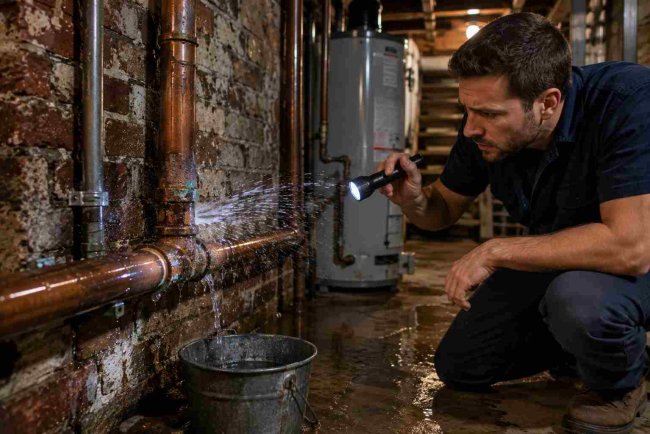
A hidden leak can reduce the amount of water available to fixtures. It may also cause structural damage if left unresolved.
Signs of a possible plumbing leak include unexplained dampness, water stains, unusually high water usage, musty odors, or the sound of running water when fixtures are off.
Building-Wide Plumbing Problems
Apartment residents should remember that they may not control the entire plumbing system.
A problem with a shared riser, building supply line, booster equipment, valve, or other common plumbing component can affect multiple apartments.
If neighbors are experiencing the same symptoms, notify building management or maintenance as well as arranging professional plumbing assistance when appropriate.
Temporary Fixes You Can Try
Some low-pressure problems can be addressed with simple maintenance.
Start by cleaning the faucet aerator or showerhead if the issue affects only one fixture. Check that accessible fixture shutoff valves are fully open.
If you recently noticed the problem after maintenance or construction, ask building management whether plumbing work was performed.
You can also compare water pressure at different times of day. If pressure is normal early in the morning but becomes weak when many residents are using water, demand or a building-system issue may be involved.
Do not attempt to increase pressure by making random adjustments to building plumbing equipment. Excessive pressure can damage pipes, fixtures, water heaters, and appliances.
When Should You Call a Professional Plumber?
Call a professional when low pressure is persistent, affects multiple fixtures, appears suddenly, or cannot be explained by a simple clogged aerator or showerhead.
Professional help is especially appropriate when you notice:
- Water stains
- Active leaks
- Damp walls or ceilings
- Unusual pipe noises
- Sudden pressure loss throughout the apartment
- Repeated pressure fluctuations
- Discolored water
- Plumbing components that are difficult to operate
- Low pressure affecting multiple apartments
- Pressure problems after plumbing repairs
A professional diagnosis can prevent you from replacing perfectly good fixtures when the real problem is inside the plumbing system.
How a Plumber Diagnoses Low Water Pressure
A professional typically starts by asking when the problem began and whether it affects one or multiple fixtures.
The plumber may then inspect accessible valves, faucets, showerheads, supply lines, and visible piping.
Pressure can be measured using appropriate testing equipment to determine whether the issue is actually low pressure or restricted flow.
The plumber may compare readings at different points in the plumbing system. This helps identify whether the restriction is close to a fixture or farther upstream.
If necessary, the plumber can investigate pressure-regulating equipment, leaks, pipe restrictions, or other building-level issues.
The exact diagnostic process depends on the apartment's plumbing design and the symptoms reported.
How Long Does Low Water Pressure Repair Take?
The repair timeline depends heavily on the cause.
A clogged aerator or showerhead may take only a short time to clean or replace.
A faulty valve may also be repaired relatively quickly if the component is accessible and a replacement is available.
More complicated problems can take longer. Pipe restrictions, hidden leaks, pressure-regulating equipment, or shared building plumbing may require additional diagnosis, access, parts, or coordination with property management.
For apartment buildings, repairs involving common plumbing lines may require approval and scheduling before work can begin.
A reputable plumber should explain what was found, what needs to be repaired, and whether additional investigation is necessary.
How Much Does Low Water Pressure Repair Cost?
There is no reliable single price for low water pressure repair because the symptom can have many different causes.
The cost may depend on:
- Diagnostic requirements
- Labor time
- Fixture condition
- Valve replacement
- Pipe accessibility
- Replacement parts
- Leak location
- Pipe repair or replacement
- Pressure-regulating equipment
- Building access requirements
- Emergency or after-hours service
A clogged aerator is obviously a different job from replacing damaged piping behind a wall.
The best way to understand the cost is to have the problem diagnosed first. Ask the plumber to explain the cause and provide a clear estimate before approving major work.
What Happens If Low Water Pressure Is Ignored?
Low water pressure itself may sometimes be a minor fixture issue, but ignoring the underlying cause can be risky.
If the problem is caused by a hidden leak, deteriorating pipe, failed valve, or building plumbing problem, continued delay can allow the condition to become more expensive.
A leak can damage drywall, flooring, cabinets, ceilings, and other building materials. Persistent plumbing problems can also interfere with normal use of bathrooms, kitchens, and appliances.
The key is not to assume that every low-pressure problem is an emergency—but also not to dismiss a sudden or unexplained change.
When Is Low Water Pressure an Emergency?
Low water pressure alone is not usually an emergency.
However, the situation becomes more urgent when pressure loss occurs together with signs of a serious plumbing problem.
Seek emergency plumbing assistance if you discover:
- A major active leak
- Water rapidly entering the apartment
- A burst or damaged supply pipe
- Water coming through a ceiling or wall
- Rapidly worsening plumbing conditions
- A situation that could cause significant property damage
- A plumbing failure that leaves essential fixtures unusable
If water is actively leaking, shut off the appropriate water supply if it is safe to do so and contact building management and a qualified plumber.
People Also Ask About Apartment Water Pressure
Why is my apartment water pressure suddenly low?
A sudden pressure drop can be caused by a partially closed valve, plumbing work, a failed pressure-regulating component, a leak, or a building or municipal supply issue. Checking multiple fixtures and asking neighbors about their pressure can help narrow down the cause.
Why is my shower pressure low but my sink is fine?
The showerhead may have mineral buildup, a clogged screen, or another localized restriction. If only the shower is affected, the problem is more likely to be at the fixture rather than the entire apartment supply.
Can a clogged pipe cause low water pressure?
Yes. Mineral deposits, corrosion, sediment, or other buildup can restrict the internal opening of older pipes and reduce water flow to fixtures.
Is low water pressure caused by the city?
Sometimes. Municipal supply conditions or work on the public water system can temporarily affect pressure. However, apartment-specific plumbing problems are also common, so the cause should be confirmed rather than assumed.
Should apartment residents adjust water pressure themselves?
Residents can check simple fixture issues, but adjustments to building pressure equipment should generally be left to qualified professionals. Incorrect pressure can create additional plumbing problems.
Voice Search Questions About Low Water Pressure
What should I do if my apartment suddenly loses water pressure?
Check multiple fixtures and determine whether neighbors are experiencing the same problem. If the pressure remains low or there are signs of a leak, contact building management and a professional plumber.
How do I fix weak water pressure in my shower?
Inspect the showerhead for mineral buildup and clean or replace it if necessary. If other fixtures are also weak, the problem may be farther upstream and should be professionally diagnosed.
Why does my water pressure drop when I use two faucets?
The plumbing system may have restricted flow, insufficient supply capacity, a valve problem, or another issue that becomes noticeable when multiple fixtures operate simultaneously.
How quickly can a plumber fix low water pressure?
Simple fixture problems can often be addressed quickly, while hidden leaks, restricted pipes, pressure-regulating equipment, and building-wide issues may require more time and additional parts.
How to Choose the Right Baltimore Plumber
When choosing a plumber for an apartment water-pressure problem, do not focus only on the cheapest advertised price.
Look for a plumbing company that can:
- Diagnose the actual cause
- Explain the repair in plain language
- Provide a clear estimate
- Handle both fixture and supply-line problems
- Understand apartment and building plumbing
- Explain whether building management needs to be involved
- Respond appropriately to emergencies
- Communicate clearly about timing and repairs
A good plumber should help you understand the problem rather than simply replacing parts without determining why the pressure changed.
Preventing Future Water Pressure Problems
Regular plumbing maintenance can reduce the likelihood of recurring problems.
Clean faucet aerators and showerheads periodically, especially when mineral buildup is visible. Pay attention to gradual pressure changes instead of waiting until water flow becomes extremely weak.
Report leaks promptly. Do not ignore unusual noises, damp spots, unexplained water usage, or repeated pressure fluctuations.
Apartment residents should also report recurring plumbing issues to property management. If several residents experience similar symptoms, documenting when the problem occurs can help maintenance teams and plumbers identify building-wide patterns.
Final Thoughts: Get Low Water Pressure Diagnosed Before It Gets Worse
Low water pressure in a Mount Vernon Baltimore apartment can be something as simple as a clogged showerhead—or a sign of a much larger plumbing problem.
The most useful first step is to determine whether the issue affects one fixture, the entire apartment, or multiple units. That distinction can save time and prevent unnecessary repairs.
If cleaning a fixture and checking accessible valves does not solve the problem, professional diagnosis is the safer approach. A qualified plumber can test the system, identify restrictions or leaks, evaluate valves and pressure-regulating equipment, and explain the repair options.
For plumbing help in Baltimore, contact Plumber in Baltimore at 844-973-0400 to discuss your low water pressure problem and determine the next appropriate step
What's Your Reaction?