Sewer Backup Problems in Patterson Park Baltimore Rowhomes
Learn the causes, warning signs, repair costs, timelines, and emergency steps for sewer backup problems in Patterson Park Baltimore rowhomes.
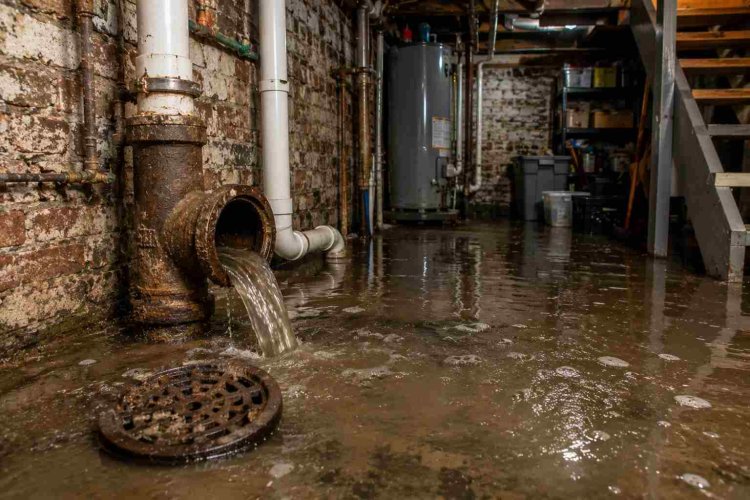
Sewer backup problems are especially frustrating in Baltimore rowhomes because many properties have older plumbing systems, shared neighborhood infrastructure, and basements that sit below street level. When wastewater starts coming up through a basement floor drain, toilet, shower, or other fixture, the problem is more than an inconvenience. It can quickly create property damage, unpleasant odors, sanitation concerns, and expensive cleanup.
Patterson Park homeowners may experience sewer backups for several different reasons. A blocked private sewer line, tree-root intrusion, damaged pipe, grease buildup, heavy rainfall, or a problem farther downstream in the public sewer system can all contribute. In some cases, a slow drain provides warning before a complete backup occurs. In others, wastewater can appear suddenly.
Baltimore City distinguishes between private and public portions of the sewer system. Generally, property owners are responsible for the private sewer lateral between the home and the cleanout or property boundary, while the City maintains sewer infrastructure in the public right-of-way.
If wastewater is already entering your Patterson Park rowhome, avoid treating it like an ordinary clogged drain. The safest approach is to limit water use, keep people and pets away from contaminated areas, and have the sewer problem properly diagnosed.
What Is a Sewer Backup in a Baltimore Rowhome?
A sewer backup happens when wastewater cannot properly flow away from the property and instead reverses direction into the home.
In a typical rowhome, wastewater from toilets, sinks, showers, washing machines, and other fixtures travels through the home's drainage system into a sewer service line. If that line becomes obstructed or the downstream sewer system cannot accept the flow, wastewater may seek another path.
Because many Baltimore rowhomes have finished or unfinished basements, backups often become noticeable at the lowest plumbing fixtures first.
Common signs include:
- Dirty water coming from a basement floor drain
- A basement toilet that overflows
- Multiple drains becoming slow at the same time
- Gurgling sounds from toilets or drains
- Wastewater appearing after flushing another fixture
- A strong sewage smell indoors
- Repeated drain clogs that keep returning
- Water backing up during heavy rain
A single slow sink does not necessarily mean a sewer backup. However, several affected fixtures usually deserve prompt attention.
Why Do Sewer Backups Happen in Patterson Park?
There is rarely one universal cause. An experienced plumber needs to determine where the obstruction is and what caused it.
Clogged Sewer Lateral
The private sewer lateral carries wastewater from the rowhome toward the public sewer system. Grease, paper products, debris, sediment, and other materials can accumulate inside the pipe.
Older pipes can also develop rough interior surfaces where debris catches more easily.
Tree Root Intrusion
Roots naturally seek water. Small cracks or joints in an aging sewer pipe can allow roots to enter and grow inside the line.
Once established, roots can restrict wastewater flow and repeatedly cause blockages. Simply clearing the roots may restore flow temporarily, but damaged pipe sections may eventually require additional repair.
Aging or Damaged Sewer Pipes
Older Baltimore properties may have sewer lines constructed from materials that can deteriorate over decades. Cracks, separated joints, collapsed sections, corrosion, or structural deterioration can prevent wastewater from flowing normally.
A recurring backup is particularly important to investigate because repeated snaking may only address the symptom.
Heavy Rainfall
During major rain events, the volume of water entering drainage infrastructure can increase substantially. If the sewer system becomes overloaded or water enters through defective connections, some properties may experience backups.
A backup that occurs primarily during major storms should be evaluated differently from a blockage that occurs during normal dry weather.
Improper Items Going Down Drains
Flushable wipes, paper towels, feminine hygiene products, grease, cooking oils, and other unsuitable materials can contribute to sewer blockages.
Even products marketed as flushable may create problems in older or vulnerable sewer systems.
Warning Signs You Should Not Ignore
A sewer backup often provides clues before wastewater enters the house.
Watch for multiple drains slowing simultaneously. For example, if the kitchen sink, basement drain, bathtub, and toilet begin acting strangely around the same time, the obstruction may be farther down the drainage system rather than inside one fixture.
Gurgling is another useful warning sign. A toilet or drain that makes bubbling or sucking sounds can indicate restricted airflow or drainage.
Repeated clogs are also significant. If you have already had the same sewer line cleared several times, ask why the blockage keeps returning.
A sewage odor coming from a basement drain should not simply be covered with air freshener. It may indicate standing wastewater, a trap problem, or a drainage issue that requires inspection.
What Should You Do During a Sewer Backup?
First, stop or significantly reduce water use in the property.
Do not continue flushing toilets, running washing machines, taking showers, or running large amounts of water through sinks. Additional water can increase the amount of wastewater entering the home.
Keep children and pets away from contaminated areas. Sewage can contain harmful microorganisms, so avoid direct contact whenever possible.
If wastewater is near electrical equipment, outlets, appliances, or electrical panels, do not enter standing water to investigate. Electrical hazards can turn a plumbing emergency into a much more serious situation.
If you can safely access a plumbing shutoff without entering contaminated water, follow appropriate emergency procedures. Otherwise, wait for professional assistance.
Most importantly, do not attempt to push contaminated wastewater back into the drainage system with repeated flushing.
Can You Fix a Sewer Backup Yourself?
A homeowner may be able to take limited temporary steps, but a true sewer backup should generally be professionally diagnosed.
For a minor drain obstruction, a plunger may sometimes help. However, when multiple fixtures are affected or wastewater is coming through a basement drain, plunging individual fixtures may not solve the underlying problem.
Chemical drain cleaners are also a poor choice for a suspected sewer-line problem. They may not reach the obstruction and can create additional hazards for anyone who later works on the plumbing.
The safest temporary response is to stop using water and arrange for a qualified plumber to locate the blockage.
How a Professional Plumber Diagnoses the Problem
Professional sewer repair should begin with diagnosis rather than immediately replacing pipe.
A plumber may first inspect accessible cleanouts and determine which fixtures are affected. Drain-cleaning equipment can then be used when appropriate to restore flow.
If the problem is recurring or the pipe's condition is uncertain, a sewer camera inspection can provide much more useful information.
A camera inspection can help identify:
- Root intrusion
- Cracked pipe
- Collapsed sections
- Separated joints
- Heavy buildup
- Obstructions
- Pipe deformation
- The approximate location of a defect
This distinction matters. Clearing a blockage answers the question, "How do we restore flow?" A camera inspection can help answer, "Why did this happen, and is the pipe structurally sound?"
What Does Sewer Backup Repair Involve?
The repair depends on what the inspection finds.
If the pipe is structurally sound but clogged, professional drain cleaning may be enough.
If roots are causing the obstruction, the plumber may clear the roots and recommend monitoring or additional repair if the pipe itself is damaged.
If a section of sewer line is cracked or collapsed, excavation or another appropriate pipe-repair method may be necessary.
In some situations, trenchless rehabilitation may be considered. Whether it is appropriate depends on the pipe's condition, location, accessibility, surrounding structures, and local requirements.
For Baltimore rowhomes, access can be particularly important because neighboring properties, sidewalks, streets, foundations, and narrow lots can affect how sewer work is performed.
How Long Does Sewer Backup Repair Take?
The timeline varies considerably.
A straightforward blockage may be cleared during one service visit. More complicated problems can take longer, especially when a damaged sewer lateral must be repaired or replaced.
A typical diagnostic visit may take roughly an hour or more depending on access and the complexity of the problem. Larger repairs can require additional planning, excavation, permits, inspections, or restoration.
A reputable plumber should explain what was found, what needs to be repaired, and whether the recommended work is an immediate emergency or a longer-term improvement.
How Much Does Sewer Backup Repair Cost in Baltimore?
There is no reliable single price for every Patterson Park sewer backup.
Cost depends on several factors, including:
- Location of the blockage
- Severity of the obstruction
- Sewer pipe material
- Pipe depth
- Accessibility
- Root intrusion
- Structural damage
- Length of pipe requiring repair
- Whether excavation is necessary
- Cleanup and restoration requirements
- Emergency or after-hours service
- Required permits or inspections
A simple blockage and a collapsed sewer lateral are completely different jobs.
Before approving significant work, ask for an explanation of the diagnosis, recommended repair, expected timeline, and what is included in the estimate.
Who Is Responsible for the Sewer Line?
Responsibility can depend on exactly where the problem occurs.
Baltimore City documentation explains that the City is responsible for sewer infrastructure in the public right-of-way, including the sewer main and certain public-side portions of the lateral. Property owners generally maintain the private sewer lateral between the home and the cleanout or property boundary.
Because property layouts and sewer connections differ, homeowners should not automatically assume that every sewer backup is either a homeowner responsibility or a City responsibility.
If you suspect the problem may involve the public sewer, contacting the appropriate Baltimore City department can help determine whether the issue is on the public side. A plumber can also help identify where the private plumbing problem appears to be located.
What Happens If You Ignore a Sewer Backup?
Ignoring a sewer backup can turn a manageable plumbing problem into a much larger property issue.
Standing wastewater can damage flooring, drywall, insulation, furniture, and stored belongings. Persistent moisture may also contribute to unpleasant odors and microbial growth.
Repeated backups can indicate a deteriorating sewer pipe. If the underlying defect remains untreated, the next blockage may happen at a less convenient time or during a period of heavy rainfall.
A recurring sewer problem should therefore be treated as a warning rather than something to repeatedly postpone.
When Is a Sewer Backup an Emergency?
Call for emergency plumbing help when wastewater is actively entering the property, especially if the affected water contains sewage.
Emergency service is also appropriate when:
- Multiple drains are backing up
- A basement is filling with wastewater
- Toilets are overflowing with sewage
- The backup is spreading quickly
- You cannot safely use the home's plumbing
- There is a potential electrical hazard
- A major sewer line appears collapsed
- The problem occurs outside normal business hours and is causing active damage
The objective during an emergency is to stop additional wastewater from entering the property, identify the source, restore drainage when possible, and determine whether permanent repair is needed.
People Also Ask About Sewer Backups in Patterson Park
Why does my basement drain back up first?
Basements are often at or near the lowest point of a home's drainage system. When wastewater cannot move downstream, it may emerge through the lowest available drain or fixture.
Why does my sewer keep backing up after it was snaked?
Snaking can remove an obstruction without correcting the underlying cause. Roots, damaged pipe, recurring buildup, or a structural problem may allow another blockage to develop.
Can heavy rain cause a sewer backup?
Yes. Heavy rainfall can increase pressure and flow within drainage infrastructure and may contribute to backups in certain circumstances.
How do I know whether the blockage is in my house or the sewer line?
If only one fixture is affected, the blockage may be local. If several fixtures back up simultaneously, the problem is more likely farther downstream in the home's drainage system or sewer service line. A professional inspection provides a more reliable answer.
Should I use drain cleaner for a sewer backup?
It is generally better not to use chemical drain cleaners when you suspect a sewer-line problem. They are unlikely to correct a structural sewer issue and can create hazards for plumbing professionals.
Voice Search Questions Homeowners Ask
"What should I do if sewage backs up into my basement?"
Stop using water immediately, keep people and pets away from contaminated areas, avoid electrical hazards, and contact a qualified plumber for diagnosis and cleanup guidance.
"How do I stop a sewer backup?"
You may not be able to permanently stop one without finding the cause. Reducing water use can help prevent additional wastewater from entering the property while professional help is arranged.
"How much does it cost to repair a sewer line in Baltimore?"
The price depends on the location and severity of the problem, pipe condition, accessibility, repair method, and restoration requirements. A professional inspection is needed for an accurate estimate.
"How long does a sewer backup repair take?"
A simple blockage may be cleared during one visit, while damaged or collapsed sewer piping can require substantially more time.
How to Prevent Future Sewer Backup Problems
Prevention starts with paying attention to early warning signs.
Do not flush wipes, paper towels, grease, cooking oil, or other inappropriate materials. Dispose of grease properly instead of pouring it down a kitchen drain.
If your home has experienced repeated backups, consider having the sewer lateral inspected with a camera. Knowing the pipe's condition can help you plan repairs before a major failure.
Keep records of previous drain-cleaning visits. If the same blockage returns repeatedly, tell the plumber. That history can help identify a recurring root or structural problem.
Homeowners should also understand where their sewer cleanout is located. During an emergency, knowing how to access the cleanout can save valuable time.
How to Choose a Plumber for a Patterson Park Sewer Backup
Do not choose a plumber based only on the lowest advertised price.
Look for a plumbing company that can explain the diagnosis clearly and distinguish between a temporary blockage removal and a permanent repair.
Before approving major work, ask:
- What caused the backup?
- Where is the blockage or damaged section?
- Was the sewer line inspected?
- Is the recommended repair temporary or permanent?
- How long should the repair take?
- What factors could change the price?
- Is cleanup or restoration included?
- What happens if the problem returns?
A professional plumber should be willing to explain the work in plain English rather than pressure you into approving an expensive repair you do not understand.
Why Contact Plumber in Baltimore?
If your Patterson Park rowhome is experiencing a sewer backup, getting the problem diagnosed promptly can help limit property damage and identify the actual cause.
Plumber in Baltimore provides plumbing assistance for homeowners who need help dealing with drainage and sewer-related problems in Baltimore.
When contacting a plumber, describe exactly what you are seeing: which fixtures are affected, whether wastewater is entering the basement, whether the problem occurs during rain, and whether the sewer has backed up before. Those details can help the plumber understand the situation before arriving.
You can contact Plumber in Baltimore at 844-973-0400 or visit Plumber in Baltimore.
Final Takeaway
A sewer backup in a Patterson Park Baltimore rowhome should never be treated as just another clogged drain. Multiple slow drains, sewage odors, gurgling fixtures, and wastewater appearing in a basement can indicate a problem farther down the sewer line.
The immediate priority is to stop using water and prevent people or pets from contacting contaminated areas. After that, professional diagnosis can determine whether the problem is a simple blockage, root intrusion, damaged private sewer piping, or an issue involving the public sewer system.
For recurring problems, a sewer camera inspection can be particularly valuable because it helps identify why the backup keeps happening instead of simply clearing the same obstruction again.
Getting the cause identified early can help homeowners make a more informed repair decision, reduce the chance of repeated backups, and protect their Baltimore rowhome from unnecessary water and sewage damage.
What's Your Reaction?