Plumbing Problems in Fells Point Rowhomes Common Issues to Watch For

Learn common plumbing problems in Fells Point rowhomes, warning signs, repair timelines, cost factors, maintenance tips, and emergency plumbing advice.
Plumbing Problems in Fells Point Rowhomes Common Issues to Watch For

Fells Point rowhomes have a distinctive character, but their age, compact layouts, shared walls, and older plumbing systems can create plumbing challenges that homeowners should not ignore. A small leak under a sink, slow drain, or weak water pressure may seem minor at first, yet older plumbing components can deteriorate quickly and cause expensive water damage.

For homeowners and landlords in Fells Point, understanding the warning signs can help prevent emergency repairs. Knowing when a problem can wait, what temporary steps are safe, and when a professional plumber is needed can also make the repair process easier.

This guide explains the most common plumbing problems found in Fells Point rowhomes, why they happen, what warning signs to watch for, typical repair timelines, cost factors, maintenance tips, and when professional help is necessary.

Common Plumbing Problems in Fells Point Rowhomes

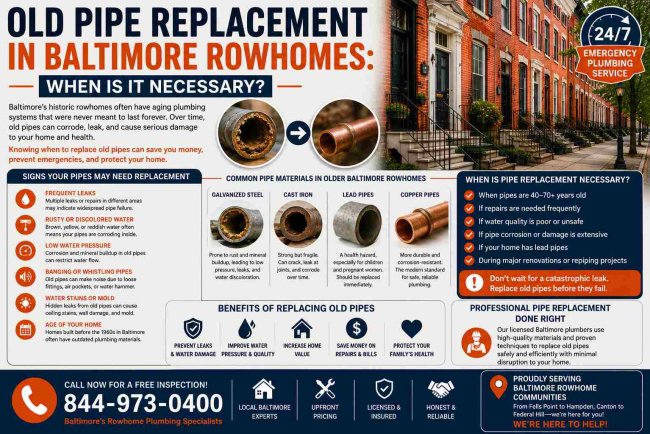
The plumbing systems in older Baltimore rowhomes can differ considerably from those in newer construction. Depending on the property's age and renovation history, a home may contain a combination of older and newer pipes, fixtures, drains, and connections.

Common problems include:

  • Leaking or corroded pipes
  • Clogged kitchen and bathroom drains
  • Slow-draining tubs and showers
  • Low or inconsistent water pressure
  • Running or leaking toilets
  • Sewer line problems
  • Water heater issues
  • Frozen or burst pipes during extreme cold
  • Hidden leaks inside walls
  • Failing shutoff valves
  • Aging plumbing fixtures
  • Drain odors and sewer gas smells

Because rowhomes are built close together, a plumbing problem can sometimes affect areas that are difficult to access. Shared walls and compact utility spaces can make leaks particularly concerning.

Why Fells Point Rowhomes Can Have Plumbing Issues

Many Fells Point properties are older homes that have undergone renovations over the years. A kitchen or bathroom may have been updated while portions of the original plumbing remained in place.

This creates a situation where newer fixtures may be connected to older supply or drainage components.

Age is one factor, but it is not the only cause. Plumbing problems may also develop because of:

  • Mineral buildup
  • Corrosion
  • Improper previous repairs
  • Tree-root intrusion into underground sewer lines
  • Grease and food entering kitchen drains
  • Hair and soap buildup
  • High water pressure
  • Temperature changes
  • Aging water heaters
  • Poorly maintained plumbing fixtures

A professional inspection can help determine whether a recurring problem is an isolated fixture issue or a symptom of a larger plumbing problem.

Leaking Pipes and Hidden Water Damage

A leaking pipe is one of the most important problems to address quickly.

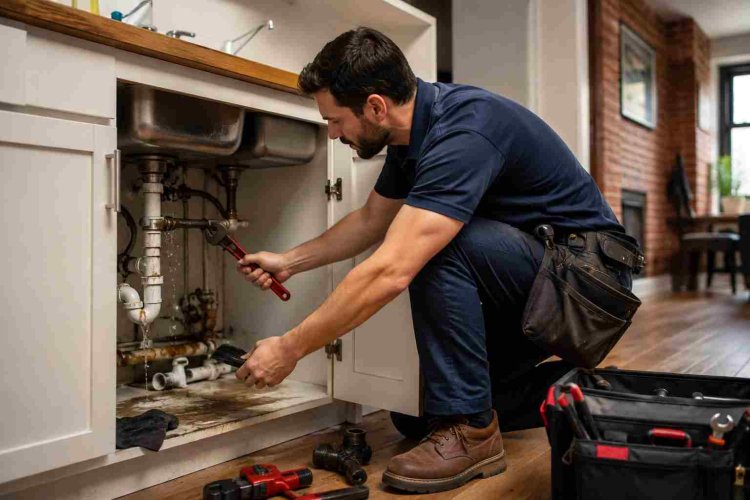
A visible drip underneath a sink is relatively easy to identify, but leaks can also occur behind walls, beneath floors, or around old pipe connections.

Warning Signs of a Hidden Plumbing Leak

Look for:

  • Damp spots on walls or ceilings
  • Peeling paint
  • Bubbling drywall
  • Musty smells
  • Mold or mildew growth
  • Unexplained increases in water usage
  • Stained ceilings
  • Warped flooring
  • Sounds of running water when fixtures are off

In a rowhome, water can travel through framing and ceilings before the actual source becomes obvious. A stain on the first floor, for example, does not necessarily mean the leak started there.

What to Do Temporarily

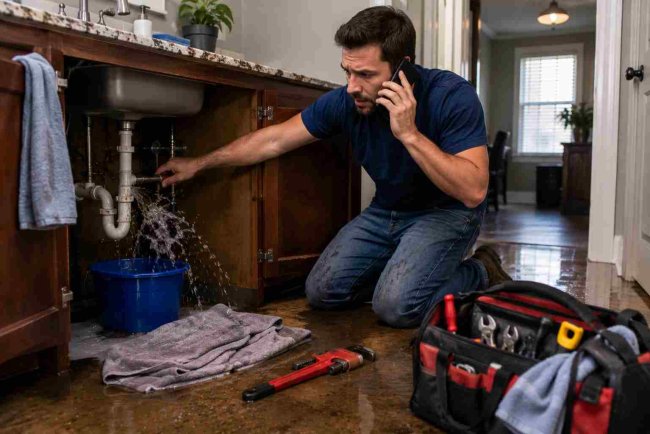
If you identify an active leak, shut off the nearest fixture's water supply if possible. For a larger leak, turn off the home's main water supply.

Place a container under the leak and remove items that could be damaged by water.

Avoid opening walls yourself unless absolutely necessary. Cutting into a wall without knowing where plumbing or electrical components are located can create additional problems.

Clogged Drains in Older Rowhomes

Drain clogs are among the most common plumbing complaints.

Kitchen drains often become clogged because of grease, oil, food particles, and other materials. Bathroom drains commonly collect hair, soap residue, and personal-care products.

A slow drain should not automatically be treated as a minor inconvenience.

If several fixtures drain slowly at the same time, the problem may be farther down the drainage system.

Warning Signs of a Serious Drain Problem

Pay attention to:

  • Multiple slow drains
  • Gurgling sounds
  • Water backing up into tubs or sinks
  • Repeated toilet clogs
  • Sewage odors
  • Drain problems that return shortly after cleaning

A plunger may resolve a simple localized clog. However, repeated blockages may require professional drain cleaning or inspection.

Avoid repeatedly using harsh chemical drain cleaners. They may damage certain plumbing components and can also create hazardous conditions for anyone who later works on the drain.

Sewer Line Problems

Sewer line problems deserve particular attention in older properties.

A damaged or obstructed sewer line can cause wastewater to back up into the home. Depending on the location and severity of the problem, repairs may require specialized equipment and an inspection camera.

Possible Sewer Line Warning Signs

Common indicators include:

  • Several drains backing up together
  • Toilets bubbling or gurgling
  • Sewage odors
  • Repeated sewer backups
  • Unusually slow drainage throughout the house
  • Wet or unusually lush areas near an underground sewer line

A sewer problem should not be ignored. Sewage exposure can create sanitation concerns and cause significant property damage.

Low Water Pressure

Low water pressure can make showers frustrating and affect everyday activities such as washing dishes and filling appliances.

The cause may be relatively simple, such as a clogged faucet aerator, partially closed valve, or failing fixture.

However, if pressure suddenly drops throughout the entire house, the cause could involve a supply-line problem, plumbing restriction, pressure-regulating equipment, or another issue requiring professional diagnosis.

The first step is determining whether the pressure problem affects one fixture or the entire property.

Toilet Problems

Toilets are another common source of plumbing calls.

A toilet that constantly runs can waste a substantial amount of water over time. Other problems include weak flushing, frequent clogs, leaks around the base, and toilets that rock or move.

A toilet leak at the base should receive prompt attention because water can damage flooring and the surrounding structure.

If the toilet is overflowing, immediately turn off its water supply using the shutoff valve near the toilet.

Do not continue flushing a toilet that is already backing up.

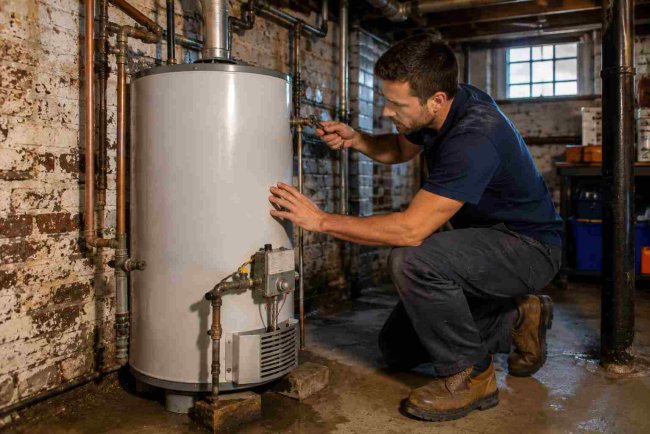
Water Heater Problems

A failing water heater can affect the entire household.

Common warning signs include:

  • Water that is not hot enough
  • Hot water running out unusually quickly
  • Water leaking around the heater
  • Strange noises
  • Rust-colored water
  • Unusual temperature changes

Some water heater problems can be repaired, while an older or severely damaged unit may make replacement more practical.

Water heater repair and replacement timelines vary depending on the equipment, diagnosis, parts availability, installation requirements, and whether the problem is an emergency.

What Can Homeowners Safely Fix Temporarily?

Some minor plumbing situations can be handled temporarily.

A homeowner may be able to:

  • Tighten a loose connection carefully
  • Clear a simple sink blockage with a plunger
  • Clean a faucet aerator
  • Turn off a fixture's water supply
  • Shut off the home's main water supply during a major leak

Temporary action should not replace professional repair when the problem returns or involves hidden plumbing.

Do not attempt complex pipe repairs, sewer-line excavation, gas-related work, or major water-heater work without the appropriate professional expertise.

When Is a Plumbing Problem an Emergency?

Not every plumbing issue requires an emergency plumber. Some situations, however, should be addressed immediately.

Call for emergency plumbing assistance when you have:

  • A major uncontrolled water leak
  • A burst pipe
  • Severe sewage backup
  • Water rapidly entering walls or ceilings
  • No usable water because of a major plumbing failure
  • An overflowing drain containing sewage
  • A water heater causing significant flooding
  • A plumbing problem creating an immediate risk of extensive property damage

The faster the water source is controlled, the greater the chance of limiting damage to walls, flooring, cabinets, and personal belongings.

For plumbing emergencies in Baltimore, homeowners can contact Plumber in Baltimore at 844-973-0400.

What Happens During a Professional Plumbing Repair?

A professional plumber will generally begin by asking about the symptoms and when they started.

The plumber may then:

  1. Inspect the affected fixture or plumbing area.
  2. Determine whether the problem is localized or part of a larger system.
  3. Check accessible pipes, valves, drains, and connections.
  4. Identify the likely source of the failure.
  5. Explain the recommended repair.
  6. Provide an estimate based on the work required.
  7. Complete the repair using appropriate materials and equipment.
  8. Test the system after the repair.

For difficult drain or sewer problems, additional diagnostic equipment may be necessary.

The objective should not simply be to make the symptom disappear. The plumber should identify why the problem occurred and determine whether additional work is needed to prevent recurrence.

How Long Do Plumbing Repairs Take?

Repair times vary considerably.

A simple faucet, toilet, or accessible pipe repair may take a relatively short service visit. More complicated problems involving hidden pipes, extensive drain blockages, sewer lines, or water heaters can take longer.

Factors that affect the timeline include:

  • Location of the problem
  • Accessibility
  • Severity of damage
  • Required replacement parts
  • Plumbing system condition
  • Permit or inspection requirements
  • Whether walls or flooring must be opened
  • Availability of specialized equipment

A reputable plumber should explain the expected timeline before beginning significant work.

How Much Does Plumbing Repair Cost?

There is no reliable single price for plumbing repairs because every property and plumbing system is different.

The final cost can depend on:

  • Type of plumbing problem
  • Labor required
  • Replacement parts
  • Pipe material
  • Accessibility
  • Emergency service requirements
  • Diagnostic work
  • Extent of water or structural damage
  • Whether additional repairs are discovered

A minor fixture repair and a sewer-line replacement should not be compared using the same pricing expectations.

Homeowners should ask what is included in an estimate and whether additional work could change the final price.

Risks of Ignoring Plumbing Problems

Delaying a plumbing repair can turn a manageable problem into a much larger one.

A small leak may eventually damage drywall, flooring, cabinets, or framing. Persistent moisture can contribute to mold and mildew problems.

A recurring drain blockage may indicate a larger obstruction. A sewer backup can create significant cleanup and sanitation concerns.

Even a running toilet or dripping faucet should not be ignored indefinitely because continuous water waste adds up.

The key is not to panic over every small plumbing symptom, but to pay attention to changes and recurring problems.

Maintenance Tips for Fells Point Rowhome Owners

Preventive maintenance can reduce unexpected plumbing problems.

Keep Drains Clear

Do not pour grease or cooking oil down kitchen drains. Use drain screens in showers and bathroom sinks to catch hair and debris.

Know Your Shutoff Valves

Every homeowner should know where the main water shutoff is located and how to operate it.

Also identify shutoff valves for toilets, sinks, appliances, and other fixtures.

Check Exposed Plumbing

Periodically inspect accessible pipes and connections for corrosion, moisture, staining, or dripping.

Monitor Water Usage

An unexplained increase in water consumption can sometimes indicate a hidden leak.

Pay Attention to Drain Changes

If a drain becomes progressively slower, investigate the issue before it becomes a complete blockage.

Protect Pipes During Cold Weather

During freezing temperatures, exposed pipes need protection from extreme cold. Proper insulation and appropriate winter precautions can help reduce the risk of frozen or burst pipes.

People Also Ask About Fells Point Rowhome Plumbing

Why do old Baltimore rowhomes have plumbing problems?

Age, corrosion, outdated components, previous renovations, mineral buildup, and drainage issues can all contribute to plumbing problems in older homes.

How do I know if a pipe is leaking behind a wall?

Unexplained dampness, stains, peeling paint, musty odors, mold growth, and unusual water usage can indicate a hidden leak.

Why do my rowhome drains keep clogging?

Recurring clogs can result from grease, hair, buildup, damaged pipes, or a deeper obstruction in the drainage system.

Should I use chemical drain cleaner?

Chemical drain cleaners are not always appropriate and can damage plumbing or create hazardous conditions. A plunger may be suitable for a simple clog, while recurring blockages should be professionally diagnosed.

How quickly should a sewer backup be repaired?

A sewer backup should be addressed promptly because contaminated wastewater can cause property damage and sanitation problems.

Voice Search Questions Homeowners Ask

What is the most common plumbing problem in an old rowhome?
Clogged drains, leaking or aging pipes, toilet problems, water-pressure issues, and sewer-line problems are among the common concerns.

How can I tell if my Baltimore rowhome has a hidden water leak?
Look for unexplained water stains, damp areas, musty odors, mold, peeling paint, and unusual increases in water usage.

When should I call an emergency plumber?
Call immediately for major uncontrolled leaks, burst pipes, serious sewage backups, or plumbing failures that could rapidly damage the property.

How often should old plumbing be inspected?
The appropriate schedule depends on the age and condition of the plumbing system. Older properties with recurring problems may benefit from more frequent professional inspections.

How to Choose the Right Plumber in Baltimore

When choosing a plumber, do more than look for the lowest advertised price.

Ask whether the plumber has experience with older Baltimore properties and the type of plumbing problem affecting your home.

Look for a company that:

  • Clearly explains the problem
  • Provides understandable repair recommendations
  • Gives pricing information before major work
  • Communicates expected timelines
  • Uses appropriate equipment
  • Treats the property carefully
  • Answers questions without unnecessary jargon
  • Has experience handling both routine and emergency plumbing issues

For homeowners dealing with older rowhome plumbing, local experience can be especially valuable because the plumber may be familiar with the challenges associated with older construction.

Final Takeaway

Fells Point rowhomes require attention to the condition of their plumbing systems, particularly when a property contains older pipes, fixtures, drains, or previous repairs. A dripping connection, slow drain, weak water pressure, or recurring toilet problem may be an early warning sign rather than an isolated inconvenience.

The best approach is to identify problems early, take safe temporary steps when necessary, and have recurring or serious issues professionally diagnosed.

If you need plumbing assistance in Baltimore, Plumber in Baltimore can be reached at 844-973-0400. You can also visit Plumber in Baltimore to learn more about available plumbing services.

SEO Title: Plumbing Problems in Fells Point Rowhomes

Meta Description: Learn common plumbing problems in Fells Point rowhomes, warning signs, repair timelines, cost factors, maintenance tips, and emergency plumbing advice.

Primary Keyword: plumbing problems in Fells Point rowhomes

Secondary Keywords: Fells Point plumbing problems, Baltimore rowhome plumbing, Baltimore plumber, rowhome plumbing repair, emergency plumber Baltimore, old home plumbing problems

What's Your Reaction?

like

dislike

love

funny

angry

sad

wow