Diagnosing Kitchen Sink Slow Drains in Baltimore Homes
Learn how to diagnose and resolve slow kitchen sink drains in older Baltimore homes. Master mechanical causes, trade secrets, and safe DIY limits.

Diagnosing Kitchen Sink Slow Drains in Older Baltimore Homes
A slow kitchen sink drain is typically caused by a restricted internal pipe diameter resulting from accumulated organic grease, soap scum, or mineral scale buildup, or a partially compromised vintage sanitary tee. In older Baltimore properties, this issue frequently points beyond a simple local clog into the realm of aging horizontal branch lines or deteriorating bell-and-spigot cast iron piping. When water pools in the basin instead of swirling down the waste arm, the physical mechanism involves a breakdown in gravity drainage compounded by surface tension holding viscous fats against rough interior pipe walls.
Understanding the exact failure mode requires evaluating whether the restriction is localized to the P-trap assembly, trapped within a garbage disposal discharge port, or extending deep into the building drain. In historic rowhouses, kitchen sink waste lines often travel significant horizontal distances through tight floor joist bays with minimal slope before dropping into the main vertical stack, making them exceptionally vulnerable to stagnation and localized hydraulic bottlenecks.
Mechanical Failure Modes and Flow Restrictions
Kitchen sinks process high volumes of organic waste, starch, and cooking fats. When hot grease enters cooler underground or in-wall drainage pipes, it solidifies. Over decades, this lipid layer catches food particulate, slowly choking off the cross-sectional area of the pipe. In Baltimore's historic housing stock, this problem is accelerated by the texture of aging materials.
Cast iron pipes corrode internally, forming a rough, tuberculated surface known as scale. This rough interior acts like Velcro for grease and debris. Additionally, vintage horizontal runs may have developed a "belly"—a localized sagging of the pipe caused by shifting foundation soils or settling floor joists. In a belly, wastewater pools permanently, preventing solid waste from being carried out to the municipal sewer and accelerating complete pipeline occlusion.
Overlooked Trade Secrets and Diagnostic Clues
Professional diagnostic troubleshooting involves recognizing subtle symptoms that standard consumer guides overlook. For instance, if your kitchen sink drains slowly only when the dishwasher pumps out water, the restriction is rarely the P-trap; it is usually an airlock in the high loop or a partial blockage downstream where the dishwasher branch tailpiece ties into the main sink sanitary tee.
- Venting Anomalies: A gurgling sound at the bathroom lavatory or toilet when the kitchen sink drains points to a compromised branch vent or a blocked roof stack, which creates a vacuum stealing air from fixture traps.
- Dynamic Flow vs. Static Pressure: Water running at a trickle may pass a partial obstruction, but turning the faucet on full blast overwhelms the narrowed drainage radius, causing rapid backup.
- Grease Emulsification Limits: Pouring boiling water down a slow drain only melts grease temporarily; the liquid fat travels a few feet downstream, cools, and re-solidifies in a thicker, more stubborn mass.
Safe Homeowner Triage vs. Dangerous DIY Boundaries
Homeowners can safely perform initial diagnostics without risking catastrophic plumbing failures. Begin by placing a bucket under the P-trap and hand-unthreading the slip nuts to inspect for physical debris such as flattened food particles or congealed grease mats. Next, check the garbage disposal grinding chamber using a flashlight to ensure foreign objects are not obstructing the drain impeller.
However, strict safety boundaries must be maintained:
- Avoid Caustic Chemicals: Never use heavy commercial chemical drain openers on aging cast iron or galvanized systems. These harsh chemicals generate extreme heat, warp PVC fittings, and accelerate structural corrosion in vintage metal pipes.
- Respect Cleanout Limits: Never force motorized drain cables through complex vintage configurations without knowing the exact pipe layout, as aggressive augering can punch through fragile, rusted pipe walls.
- Main Stack Cautions: Never attempt to unthread cleanout plugs under liquid head pressure if a major backup is present, as this risks a sudden geyser of contaminated greywater into the living space.
Baltimore Architectural and Infrastructure Realities
Operating a plumbing system in Baltimore brings unique structural challenges. Classic brick rowhouses feature shared party walls and concealed service chases where supply and waste lines run in exceptionally tight spaces. Remodeling or repairing these systems often requires opening historical plaster and lath or accessing cramped sub-grade basements.
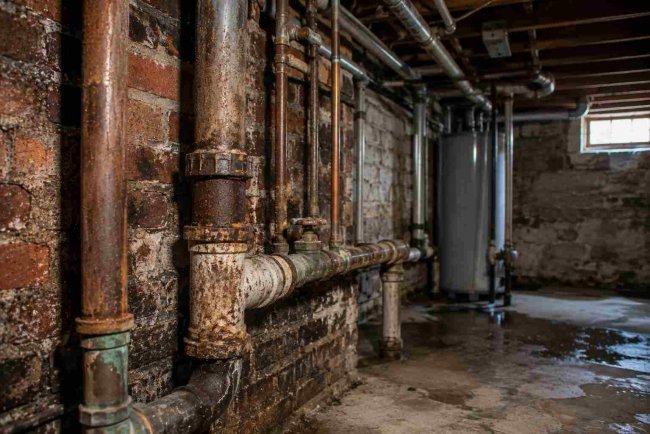
Furthermore, many Baltimore homes transition through multiple generations of plumbing materials. A modern PVC kitchen sink tailpiece may connect to a vintage galvanized steel arm, which transitions into deteriorating cast iron hidden within a stone foundation wall. Each material transition creates a potential lip or catch point where grease and fibrous debris anchor themselves, turning minor waste into persistent clogs.
Repair Options and Transparent Cost Drivers
Resolving a persistent kitchen sink slow drain ranges from simple mechanical cleaning to extensive piping replacement. Understanding the variables helps property owners evaluate realistic solutions:
| Repair Level | Operational Scope | Primary Cost Drivers |
|---|---|---|
| Trap & Arm Clearing | Manual removal and cleaning of P-trap and immediate waste arm. | Labor time, accessibility under sink cabinetry. |
| Mechanical Cable Routing | Power snaking the branch line to clear downstream grease and buildup. | Line length, severity of blockage, equipment access. |
| Hydro-Scouring / Jetting | High-pressure water scouring to completely strip interior pipe walls of grease and scale. | Equipment setup, pipe integrity verification, disposal containment. |
| Sectional Pipe Replacement | Cutting out and replacing corroded cast iron or sagging horizontal runs. | Wall/floor opening complexity, historic material matching, permit requirements. |
Frequently Asked Questions
1. What is the primary root cause of a chronically slow kitchen sink drain?
The primary root cause is the accumulation of congealed cooking fats, starches, and soap scum narrowing the interior diameter of the waste pipe over time.
2. Why does my kitchen sink drain slowly only when the dishwasher runs?
This typically indicates that the dishwasher discharge port or the direct branch tailpiece connection is partially restricted by calcified food waste or detergent residue.
3. What safe, non-invasive checks can I perform before calling a professional?
You can inspect the P-trap for physical debris, verify that the garbage disposal impeller spins freely, and check if other fixtures on the same branch line drain normally.
4. Why do chemical drain cleaners make older Baltimore plumbing worse?
Harsh chemical drain openers generate extreme heat that can warp PVC pipes and chemically degrade vintage, corroded cast iron or galvanized steel, leading to structural leaks.
5. How do I know if my slow drain is caused by pipe material failure?
Frequent recurring clogs in the same location, accompanied by rust flakes in the basin or dampness on surrounding walls, strongly indicate interior pipe degradation.
6. What factors drive the cost of clearing a difficult kitchen sink clog?
Cost factors include the depth and hardness of the blockage, accessibility of cleanouts, the need for specialized video camera inspection, and pipe material fragility.
7. When is a drain repair preferable over full pipe replacement?
A localized repair or mechanical cleaning is sufficient if the rest of the branch line maintains structural integrity and proper downward slope.
8. How do Baltimore's historic rowhouses complicate kitchen drain repairs?
Tight service chases, shared party walls, and aging underground cast iron lines require careful diagnostic work to avoid damaging historical interior finishes.
9. What preventative maintenance routine stops grease blockages?
Regularly flushing drains with hot water, avoiding the disposal of fibrous foods, starches, and cooking oils, and scheduling periodic mechanical cleaning prevent severe buildup.
10. When is emergency professional intervention strictly required?
Professional intervention is required when multiple fixtures back up simultaneously, raw sewage appears in sinks, or standing water refuses to recede despite basic trap clearing.
What's Your Reaction?