Diagnosing Low Water Pressure in Baltimore Historic Homes
Learn how to diagnose and resolve low water pressure in Baltimore historic homes. Understand mineral scaling, galvanized pipe corrosion, and pressure regulators.

Understanding Low Water Pressure in Baltimore Historic Architecture
Diagnosing low water pressure in a Baltimore historic home requires evaluating localized fixture restrictions against whole-house supply limitations driven by aging infrastructure and internal pipe degradation. When water flow drops suddenly or experiences a chronic reduction across multiple fixtures, the root cause typically stems from internal pipe constriction, a failing pressure reducing valve (PRV), or accumulated mineral scale within older distribution lines. Unlike modern PVC or PEX systems with smooth interior walls, Baltimore's older housing stock often features decades of accumulated mineral buildup, interior corrosion, and narrowed pipe diameters that choke dynamic flow rates.
The mechanical failure mode in older Baltimore properties frequently involves galvanic corrosion—an electrochemical reaction occurring where dissimilar metals meet, such as vintage copper lines tied directly into old galvanized steel risers. This reaction creates voluminous iron oxide scaling inside the pipe, dramatically reducing the internal diameter and restricting volumetric flow (GPM) while static pressure (PSI) may still read deceptively normal when no fixtures are open. When a second valve opens, the restricted pathway cannot handle the demand, causing a sharp pressure drop. Diagnostic boundaries must be established early: determine if the pressure loss is isolated to a single aerator or fixture supply stop, affects an entire floor, or originates at the main service entry from the municipal water main.
Overlooked Trade Secrets and Diagnostic Clues
Experienced forensic plumbers look beyond simple fixture aerators to identify hidden bottlenecks in supply systems. One common diagnostic oversight involves confusing static pressure with dynamic flow rate. A property can show a healthy reading of 60 PSI on a static pressure gauge attached to an outdoor sillcock, but the moment a shower and washing machine run simultaneously, the flow rate collapses because heavy interior scaling restricts volume. Another frequent trap is the partial blockage of main supply shutoff valves; older gate valves feature a brass wedge disc that can detach from its stem, slipping downward and acting as an internal flapper valve that chokes water flow under high demand.
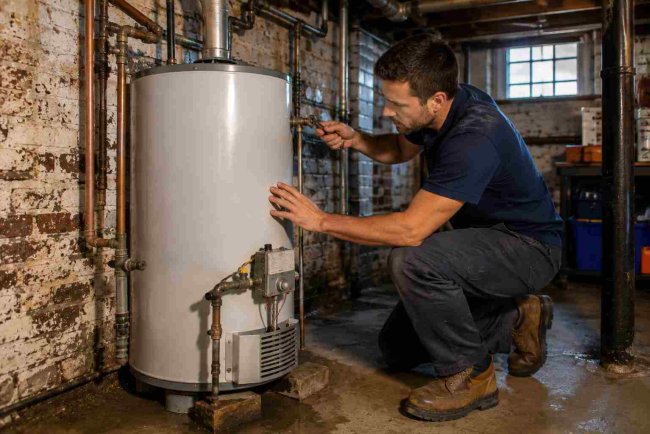
Furthermore, Baltimore's seasonal temperature swings heavily impact older supply runs. Uninsulated supply lines routed through unconditioned exterior brick cavity walls or damp Baltimore rowhouse crawlspaces experience thermal contraction and accelerated mineral precipitation. Additionally, regional water treatment introduces sediment that settles quietly at low points in the piping network or bakes into a dense crust inside water heater lower headers, subtly throttling hot water distribution lines long before cold water lines show symptoms.
Safe Homeowner Triage vs. Dangerous DIY Boundaries
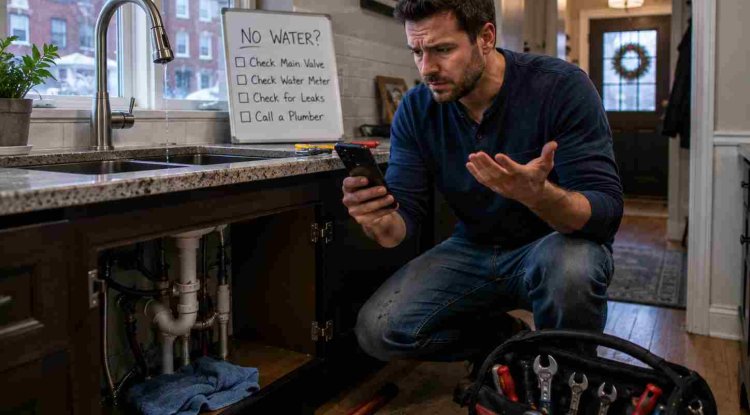
Homeowners can perform several safe, non-invasive diagnostic checks before calling a professional plumber:
- Aerator Inspection: Unscrew the threaded aerator screens on kitchen and bathroom faucets to check for trapped calcium flakes, sand, or municipal grit.
- Main Shutoff Verification: Ensure the primary indoor water meter valve and street-side supply valves are fully open. A partially closed gate valve severely chokes flow.
- Isolation Testing: Turn on individual fixtures one at a time throughout the house to map out where pressure drops most severely.
- Municipal Check: Connect with neighbors to determine if low pressure is localized to your property or affecting the entire municipal block.
Explicit Safety Warnings: Never attempt to force or unthread ancient, corroded main shutoff valves or galvanized supply unions with excessive leverage; brittle vintage brass and rusted steel can snap under torque, resulting in an uncontrolled catastrophic indoor flood. Avoid using chemical descalers on interior supply piping, as aggressive acids can eat through thin, corroded pipe walls. Never work near electrical service panels if tracing pipes in damp, unlit basement corners.
Baltimore Architectural Realities and Material Challenges
Baltimore’s iconic 19th- and early 20th-century brick rowhouses present unique logistical and mechanical hurdles for water pressure troubleshooting. Party-wall construction limits lateral access to supply lines, meaning vertical chases and basement ceiling runs are the primary pathways for service distribution. Over the decades, these homes have frequently undergone patchwork plumbing updates: lead or galvanized service lines transitioning into copper, followed by modern PEX tie-ins executed during kitchen or bathroom renovations.
Each material transition introduces potential turbulence points where mineral scale catches and accelerates restriction. Furthermore, municipal water pressure delivered by the Baltimore City Department of Public Works varies significantly depending on elevation changes across city neighborhoods—from low-lying harbor districts to high-elevation spots in Roland Park or Homeland—making pressure management critical to prevent fixture damage while maintaining usable flow.
Repair Options and Transparent Cost Drivers
Resolving chronic low water pressure depends entirely on the diagnostic findings and the extent of material degradation:
| Repair Option | Primary Application | Cost & Labor Factors |
|---|---|---|
| Fixture Servicing & Flushing | Localized mineral clogs in aerators, cartridges, or supply stops. | Low labor time; minimal parts; no structural access required. |
| PRV Replacement or Installation | Failing pressure reducing valve causing erratic or restricted pressure. | Moderate labor; cost depends on accessibility in cramped basement entries. |
| Spot Section Re-piping | Localized corrosion, collapsed gate valve, or pinched supply bend. | Moderate labor; requires cutting into drywall, plaster, or ceiling finishes. |
| Whole-House Repiping | Widespread internal galvanic scaling across vintage galvanized distribution lines. | High labor and material investment; requires extensive access through historic finishes. |
Frequently Asked Questions
1. What is the primary root-cause of sudden low water pressure throughout an entire Baltimore home?
Sudden system-wide pressure loss is typically caused by a failing municipal water main break, a partially closed main indoor shutoff valve, a broken PRV internal spring, or a major blockage at the water meter.
2. How can I tell if my low pressure is caused by mineral scale or a failing pressure regulator?
If pressure drops gradually over years, mineral scaling is the likely culprit. If pressure changes abruptly or fluctuates wildly from very high to very low, a failing Pressure Reducing Valve (PRV) is usually to blame.
3. What safe checks can I perform before hiring a professional plumber?
You can unscrew and clean faucet aerators, check that all isolation and main shutoff valves are fully open, and test whether the issue affects both hot and cold water supplies equally.
4. What common DIY mistake worsens water pressure issues in older homes?
Attempting to force stuck, rusted galvanized gate valves or applying excessive torque to fragile antique threaded fittings frequently shears pipes, turning a minor flow issue into an active flood.
5. Why do galvanized steel pipes lose water pressure over time?
Galvanized steel pipes develop internal rust and zinc-carbonate scale that progressively chokes the internal diameter, severely restricting water volume delivery despite normal static pressure readings.
6. What primary factors influence the cost of diagnosing and repairing low water pressure?
Cost drivers include the physical accessibility of concealed supply lines, the need to cut through historic lath-and-plaster walls, the extent of material replacement required, and whether a municipal utility coordination is necessary.
7. When is a spot repair sufficient versus a complete whole-house repipe?
A spot repair is effective if low pressure is isolated to a single clogged supply line or pinched valve. Whole-house repiping becomes necessary when original galvanized steel piping is completely choked with interior corrosion throughout the structure.
8. How do Baltimore's historic rowhouses complicate pressure diagnostics?
Tight service chases, shared party walls, and hidden vertical risers enclosed within vintage structural framing make tracing and accessing compromised supply runs significantly more labor-intensive.
9. What preventative maintenance routine helps preserve household water pressure?
Periodically cleaning aerator screens, flushing water heaters annually to prevent sediment build-up, and monitoring PRV performance every few years help sustain optimal flow rates.
10. When is emergency professional intervention strictly required for low water pressure?
Professional help is mandatory if low pressure is accompanied by complete loss of water, the sound of running water behind walls indicating a hidden burst pipe, or total failure of the main indoor shutoff valve.
What's Your Reaction?