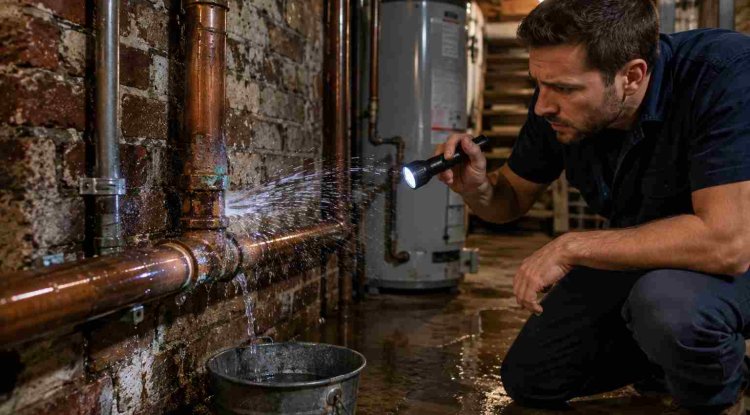
Diagnosing & Fixing Main Sewer Line Backups in Baltimore Homes
Learn the mechanical causes of main sewer line backups in Baltimore, safe DIY triage steps, historical home pipe challenges, and repair cost factors.
Understanding Main Sewer Line Backups
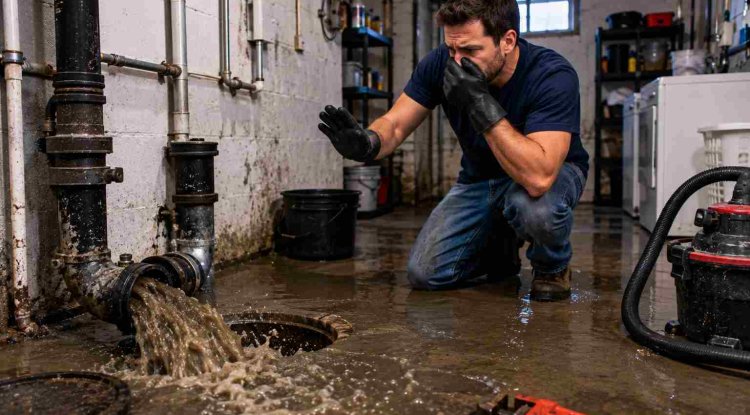
A main sewer line backup occurs when wastewater from toilets, sinks, tubs, and washing machines cannot exit the building drain and instead reverses direction, forcing raw sewage out of the lowest plumbing fixtures in the structure. This failure stems from a physical obstruction, a structural collapse, or a hydraulic bottleneck within the private sewer lateral or the municipal connection. Unlike a localized fixture clog that affects only a single sink or shower, a main line failure manifests simultaneously across multiple low-lying drains. When you flush a toilet and notice water bubbling up into your basement floor drain or shower stall, the primary drainage pathway is entirely compromised.
At a mechanical level, wastewater relies on gravity flow through sloped horizontal pipes (typically pitched at one-quarter inch per foot). When grease accumulation, root intrusion, bellied pipe sections, or pipe offsets impede this continuous flow, solid waste catches on the obstruction and creates a dam. As more water enters the system, the hydraulic pressure builds behind the blockage, forcing liquid backward along the path of least resistance. In classic Baltimore homes, this pressure often finds its relief at the basement floor drain, which sits at the lowest elevation of the private plumbing network.
Overlooked Diagnostic Clues and Trade Secrets
Diagnosing sewer line failures requires looking beyond the immediate standing water. Water often travels significant distances along structural members before pooling. Lateral surface tension causes leaking or backing-up wastewater to track along floor joists, subflooring, and plaster lath, meaning the point of emergence may be feet away from the actual pipe breach.
Furthermore, clearing a clogged drain with a standard plumbing snake or cable only provides temporary relief if grease, scale, or heavy root intrusion is not thoroughly scoured from the pipe interior. A cable simply punches a temporary hole through the mass, leaving sticky residue along the pipe walls that catches new debris within weeks. Additionally, blocked vent pipes on the roof can mimic physical drain clogs by creating an airlock that prevents smooth drainage, causing severe gurgling and slow-running fixtures throughout the house.
| Symptom | Probable Failure Mode | Diagnostic Indicator |
|---|---|---|
| Gurgling toilet when washing machine drains | Partial main line blockage or inadequate venting | High hydraulic volume overcomes restricted airflow |
| Water backing up in basement floor drain | Main sewer lateral obstruction or municipal backup | Lowest fixture point receives backward pressure |
| Multiple slow drains simultaneously | Root intrusion or grease buildup in building drain | System-wide restriction rather than fixture trap issue |
Safe Homeowner Triage vs. Dangerous DIY Boundaries
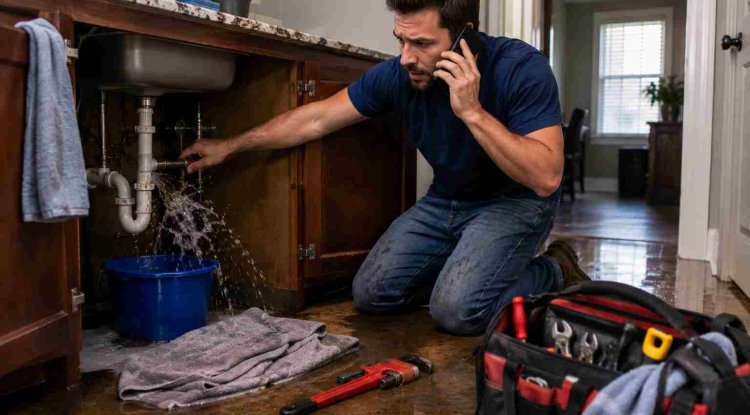
When dealing with a potential main sewer line failure, safety and methodical containment take priority over aggressive physical intervention.
Safe Homeowner Steps
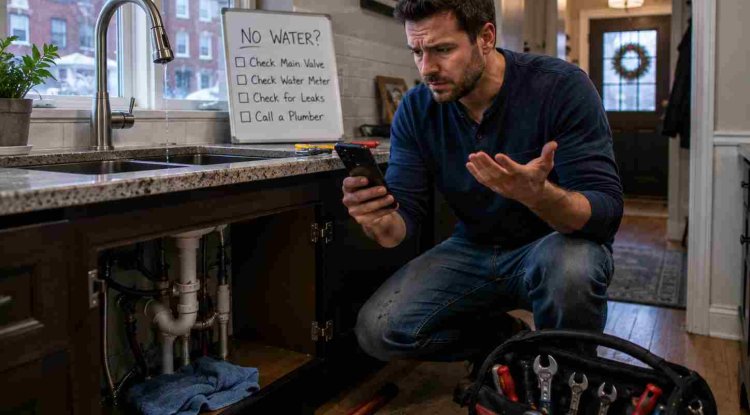
- Cease using all indoor water fixtures immediately to prevent additional wastewater from compounding the backup.
- Locate your main indoor water shutoff valve and verify the location of your exterior sewer cleanout cap.
- Monitor your property water meter for low-flow leak indicators to ensure no hidden supply leaks are adding water to saturated soil.
- Document the exact fixtures affected to provide clear diagnostic data for a professional inspection.
Dangerous DIY Boundaries
Never attempt to unthread a main cleanout plug if you suspect liquid is trapped under pressure behind it. Removing a plug under head pressure can unleash a geyser of biohazardous raw sewage, flooding the basement and exposing occupants to severe pathogens. Avoid dumping caustic chemical drain openers into aging cast-iron or clay pipes; these chemicals generate extreme heat, worsen deteriorated pipe walls, and present severe chemical burn risks if standing water splashes back.
Baltimore Architectural and Infrastructure Realities
Baltimore's unique architectural landscape presents distinct plumbing challenges. Classic brick rowhouses feature shared party-wall plumbing and exceptionally tight service chases, making pipe replacement and routing complex. Many of these historic properties still rely on legacy materials, including vintage bell-and-spigot cast-iron drains, clay building sewers, and early galvanized steel piping. Over decades, cast iron develops interior scaling known as tuberculation, which catches hair, grease, and toilet paper. Furthermore, older clay lateral lines running beneath yards are highly susceptible to infiltration by mature sycamore and maple tree roots seeking moisture. Sub-grade daylight basements in the region are also frequently subject to municipal storm line surcharges during heavy Mid-Atlantic rain events, highlighting the critical need for properly functioning backwater valves.
Repair Options and Transparent Cost Drivers
Repairing a compromised main sewer line ranges from targeted spot repairs to comprehensive trenchless rehabilitation. When evaluating solutions, consider the long-term integrity of the pipe network.
- Spot Repair / Section Replacement: Excavating a localized section of broken or collapsed pipe to install a durable PVC replacement segment.
- Hydro-Scouring: Utilizing high-pressure water jetting to completely scour grease, scale, and root masses from the interior pipe walls.
- Trenchless Pipe Lining (Cured-In-Place Pipe - CIPP): Inserting an epoxy-saturated resin liner through existing access points and inflating it to create a seamless new structural pipe inside the old one.
Cost drivers for sewer repairs are dictated by technical complexity rather than arbitrary pricing. Key factors include the depth of the pipe, accessibility (whether digging occurs under concrete basement floors, finished landscaping, or city sidewalks), the linear footage requiring repair or lining, the necessity of video camera inspections to confirm pipe grade, and municipal permit fees for connecting to public infrastructure.
Frequently Asked Questions
1. What causes a main sewer line to back up repeatedly?
Repeated backups typically indicate an ongoing structural defect, such as a localized pipe belly, heavy root intrusion that has not been completely removed, or a cracked pipe section where soil and debris continually collect.
2. How can I tell if the backup is my responsibility or the city's?
If only your home experiences backups, the issue lies within your private lateral. If municipal mains surcharge and back up into multiple neighboring properties along the street, the responsibility rests with the local utility authority.
3. Are chemical drain cleaners safe for clearing main line clogs?
No. Caustic chemical openers are largely ineffective against heavy main line clogs, root intrusions, and structural offsets, and they can severely damage aging cast-iron and clay piping.
4. What is a sewer cleanout and where is it located?
A sewer cleanout is a capped vertical pipe providing direct access to the main building drain. In Baltimore homes, it is commonly found near the base of the main stack in the basement or outside near the foundation wall.
5. Can tree roots be permanently removed from a sewer line?
Roots can be mechanically cut or hydro-jetted out, but if pipe joints have minor gaps or cracks, roots will eventually return. Regular maintenance or trenchless pipe lining provides a long-term seal against intrusion.
6. What factors influence the cost of sewer line repairs?
Primary cost factors include the depth of the excavation, surface obstacles like concrete or historic paving, the total length of pipe needing replacement or lining, and diagnostic camera time.
7. When is trenchless pipe lining preferred over traditional excavation?
Trenchless lining is preferred when pipes run beneath finished basements, mature landscaping, driveways, or public walkways, as it avoids disruptive trench digging while restoring structural integrity.
8. Why do older Baltimore rowhouses experience frequent drainage issues?
Historic rowhouses frequently utilize aging cast-iron or clay sanitary drains that have developed interior corrosion, scale buildup, and structural settling over generations.
9. What preventative maintenance minimizes sewer line failures?
Periodic video camera inspections, avoiding the disposal of fats, oils, grease, and non-flushable wipes, and scheduling professional hydro-scouring help maintain clear drainage channels.
10. When is emergency professional intervention strictly required?
Immediate professional intervention is necessary when raw sewage continuously overflows into living spaces, multiple fixtures back up simultaneously with no relief, or foul odors persist despite cleared traps.
What's Your Reaction?